Smooth-dip cooks
If you make white bean dip regularly and want to adjust its texture, compare variable speeds and pulse control. For a dense mixture, also check whether the exact model is designed for use with a tamper.


For thick white bean dip, choose a container that fits your usual portion and controls that let you stop at your preferred texture. A dedicated small bowl is worth considering for modest servings, while a multi-serve jug fits larger batches; check the guidance for dense mixtures and the cleaning instructions before buying.
If you make white bean dip regularly and want to adjust its texture, compare variable speeds and pulse control. For a dense mixture, also check whether the exact model is designed for use with a tamper.
If you usually make enough for one or two people, a dedicated small blending bowl may fit your recipe more closely than a full-size jug. Check the bowl intended for thick mixtures, not just the capacity of another supplied cup.
If you make dip to share and also blend sauces or purées, compare multi-serve jugs. Before using the same jug for a small, dense portion, check the manufacturer's quantity guidance.
Start with the amount of dip you normally make and the texture you want, then compare controls and cleaning for the container you would actually use.
| Concern | What to check | Who this matters to |
|---|---|---|
| Texture control | Look for pulse and variable speeds; check whether a tamper is supplied and how it must be used. | If I want a smooth dip but sometimes leave it chunky, I need to control when the blend stops. Roughly 36% of consumers would put texture control first. |
| Small portions | Check the size and intended use of the container for thick mixtures, rather than relying on the largest stated capacity. | When I make dip for one or two people, I want a container suited to that modest quantity. Around 29% of consumers would make small-batch fit their primary concern. |
| Larger batches | Compare jug capacity and the supplied containers; a liquid-capacity figure does not establish capacity for dense dip. | For guests or meal preparation, I need to make several portions without treating a small bowl as a full-size jug. About 21% of consumers would prioritise batch capacity. |
| Clean-up | Confirm which removable parts are dishwasher safe and whether the model has a cleaning programme. | If I make dip often, washing the container and blades needs to fit my routine. Roughly 14% of consumers would put clean-up first. |
A power figure does not tell you whether the supplied container and controls suit your quantity of dense dip.
Compare the exact bowl or jug, pulse and speed controls, and the maker's stated uses for thick mixtures.
A large jug and a small bowl serve different portion sizes. A stated liquid capacity does not establish how a very small quantity of thick dip will blend.
Match the container to your usual recipe and check the manufacturer's guidance on usable quantities.
Dishwasher-safe parts and cleaning programmes apply only to the components and procedures specified for the model.
Check the care instructions for the container, blades and any attachments before deciding how convenient the blender will be to use regularly.
A GOV.UK product-safety report dated 17 April 2026 identified a serious fire risk from a counterfeit plug fuse in a Jizya electric food blender. That finding concerns the reported product, not blenders generally.
Check the seller, plug information, instructions and product-safety documentation for the exact model you intend to buy; do not judge these from a product photo alone.
The E310 is a countertop option for cooks considering manual texture control and medium batches.
The cited Ninja models offer different container formats: a small bowl on the CB100UK and a multi-serve jug on the BN750UK.
The K400 is a jug-blender option for households making dips alongside sauces and purées.
The BLP41.A0CT is a full-size jug option to consider for larger preparations.
These blenders offer jug, cup or handheld formats to consider for white bean dip. Match the supplied container and controls to your usual portion, and check the maker's instructions for thick mixtures.
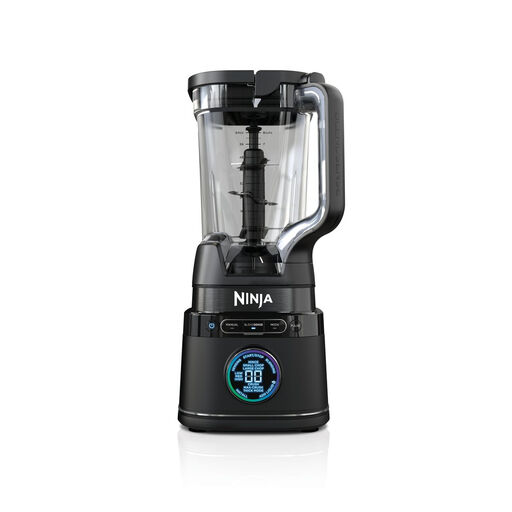 No image available
Consider this jug-and-single-serve format if you alternate between shared recipes and personal portions. Check the supplied containers' capacities and which one is intended for your quantity of thick dip.
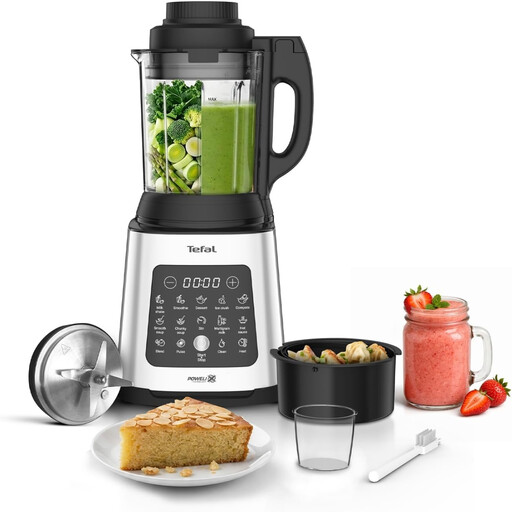 No image available
Consider this jug format if you make dip alongside other blended recipes. Its title specifies 10 programmes and a steam basket; check the maker's guidance for the minimum quantity of dense dip you intend to make.
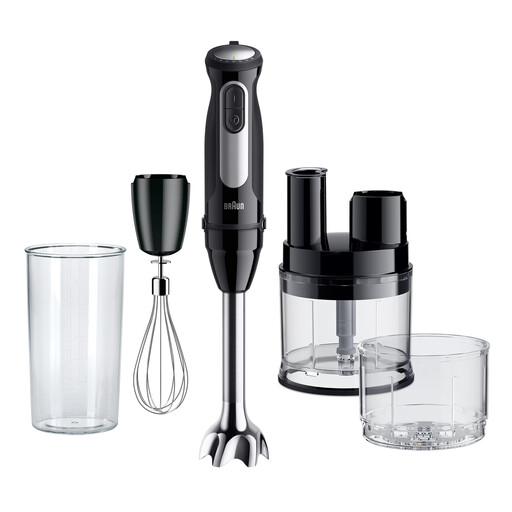 No image available
A handheld format may suit cooks who want to work in a smaller vessel; check which supplied attachment is appropriate for your dip and portion. The title specifies a 1000 W motor. Follow the stated one-minute continuous-use limit.
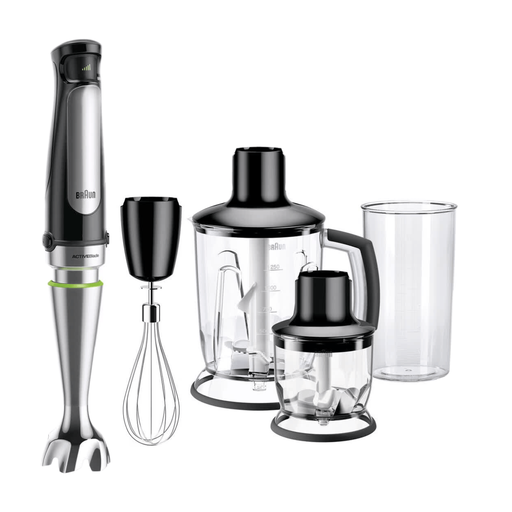 No image available
Consider the handheld format if you prefer blending in a vessel rather than using a countertop jug. Check whether the included chopper is intended for white bean dip before relying on it for a small batch, and review the attachment-cleaning instructions.
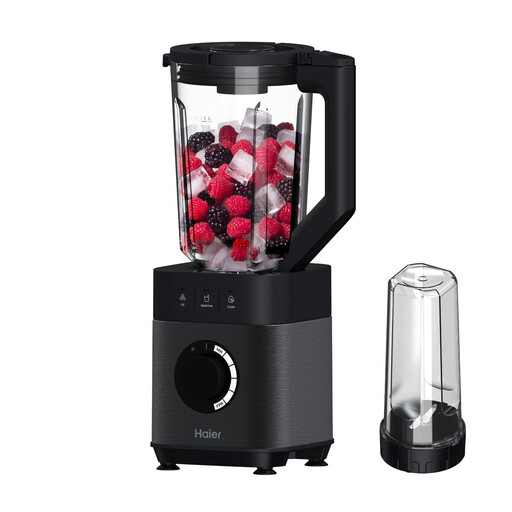 No image available
The stated jug and cup give you two container sizes to assess for shared recipes and smaller portions. The title also specifies a 1200 W motor; check the instructions for usable quantities and preparing a thick mixture rather than inferring dip performance from that figure.
Pulse and manual speed settings let you adjust how long and how intensively you blend. KitchenAid UK describes manual K400 speeds for dips and purées, while Vitamix UK lists variable speeds and pulse on the E310; check the controls on the exact model you choose.
It may suit a small portion if the exact model has a container intended for thick mixtures and your recipe fits it. A 400 ml blending bowl is listed with the Ninja CB100UK, which is more relevant to assess for this use than its separate cup capacity.
Refrigerate prepared dip promptly and follow the food-safety guidance appropriate to its ingredients. For cooked-food leftovers, GOV.UK advises refrigeration within one to two hours, a fridge temperature between 0°C and 5°C, and eating leftovers within 48 hours or freezing them; Food Standards Scotland gives the same fridge range and advises eating leftovers within two days.
Check the exact model's seller, plug information, instructions and product-safety documentation before buying. A GOV.UK report dated 17 April 2026 found a serious fire risk from a counterfeit plug fuse in a Jizya electric food blender; that finding does not establish a risk for every blender.