Runners considering a pre-run snack
If you want something to eat before a 5K, the timing and composition of that snack matter more than whether it comes in a single bar.


A white-chocolate bar is better treated as a post-run sweet than chosen as a minimal-fat pre-run snack. University College London Hospitals NHS Foundation Trust advises that a snack eaten 60–90 minutes before exercise should include carbohydrate and protein with minimal fat; the white-chocolate bars considered here contain carbohydrate but also fat. If you still want a bar, compare its pack and serving sizes and check the current label for allergens.
If you want something to eat before a 5K, the timing and composition of that snack matter more than whether it comes in a single bar.
A bar can be a convenient sweet after a run without having to serve as your running fuel. Check whether the pack is one portion or contains several stated servings.
A dairy-free white-chocolate-style bar may meet that preference, but its current ingredients and allergen statements still need checking.
Decide first whether you want food before the run or a treat afterwards, then compare the serving and label information that matters to you.
| Priority | What to check | Your needs |
|---|---|---|
| Pre-run snack | For a snack 60–90 minutes before exercise, University College London Hospitals NHS Foundation Trust advises carbohydrate and protein with minimal fat. Check the food’s nutrition information and choose something familiar. | If I want food shortly before running, I need to consider more than the carbohydrate in a chocolate bar. |
| During the run | Consider your expected running time and individual food plan rather than assuming that the 5K distance calls for a chocolate bar. | I don’t want to buy a bar on the assumption that every 5K requires food during the run. |
| Pack and serving | Compare the whole pack with its stated serving. Bestway Wholesale lists Cadbury White as a 90 g bar with a 15 g serving; the 90 g Lindt Lindor White bar is not the product described here—the Lindt Shop UK lists its White bar as 100 g. | For a post-run treat, I’d rather decide how much I want than treat the entire pack as one serving. |
| Nutrition | Compare figures on the same basis. Bestway Wholesale lists 9.7 g carbohydrate and 4.2 g fat per 15 g serving of Cadbury White; Marks & Spencer lists 58.6 g carbohydrate and 37.0 g fat per 100 g of Made Without Dairy White Chocolate. | I want to see what a stated serving contains before deciding whether the bar fits my plans. |
| Dietary suitability | Read the current ingredients and allergen statements. Marks & Spencer identifies its Made Without Dairy bar as vegan but says it is not suitable for people with a nut allergy. | If I avoid dairy or an allergen, the product name alone isn’t enough for me to choose. |
White chocolate contains carbohydrate, but the bars considered here also contain fat. That matters if you are choosing against the minimal-fat pre-workout snack guidance from University College London Hospitals NHS Foundation Trust.
If you want food before running, compare familiar snacks using the guidance for your planned timing. Keep white chocolate as a treat if that is what you want it for.
Bestway Wholesale gives a 15 g stated serving for its 90 g Cadbury White bar. Buying one bar does not mean its whole contents match that serving.
Check the serving information and decide how much you want before taking the pack with you.
Marks & Spencer identifies its Made Without Dairy White Chocolate as vegan but says it is not suitable for people with a nut allergy.
Check the current physical pack’s ingredients and precautionary allergen statements rather than relying on a vegan or dairy-free description.
The NHS notes that exercise can affect blood glucose for people with type 1 diabetes, so a general suggestion about a 5K snack does not settle an individual food or medication plan.
Follow your own diabetes exercise plan and discuss changes with your diabetes team.
Cadbury White is a conventional 90 g white-chocolate bar, according to Cadbury UK.
Lindt describes Lindor White as a 100 g white-chocolate bar with a filling.
Marks & Spencer identifies its 35 g Made Without Dairy White Chocolate bar as vegan and dairy-free.
These are white-chocolate treat options for around a 5K: three bars or blocks and one bag of buttons. Choose by the format you want, not on the assumption that they are dedicated pre-run fuel.
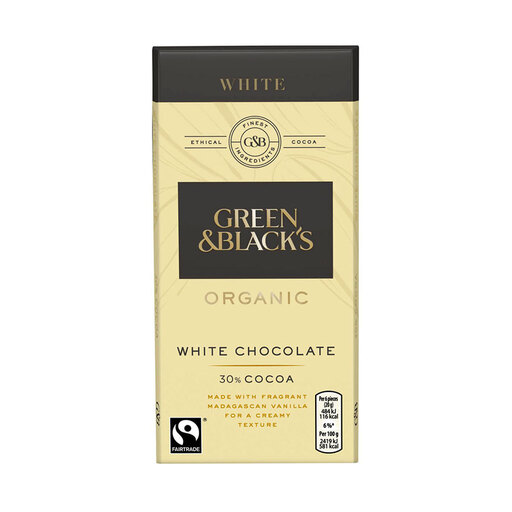 No image available
A 90 g bar to consider as a post-run treat. Check the current pack for its serving size, nutrition and allergens before deciding how much to eat.
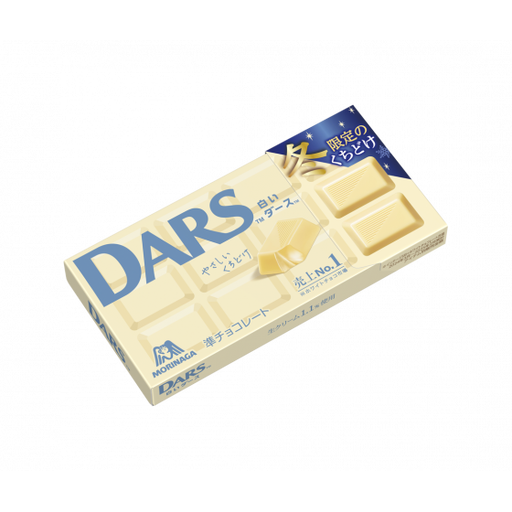 No image available
The 47 g pack is a smaller-format option for a white-chocolate treat after a run. Read the current nutrition and allergen information if either affects your choice.
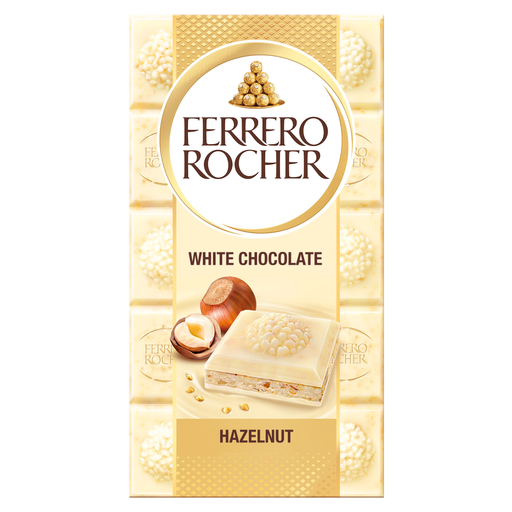 No image available
This 90 g block is an alternative to a conventional single bar for a post-run treat. Check its current ingredients, allergens and serving information before choosing it.
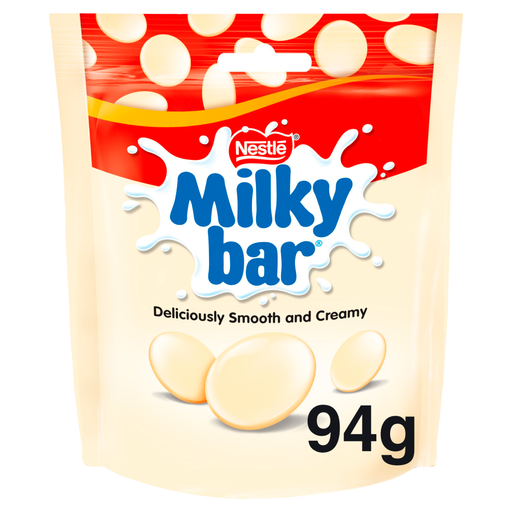 No image available
These come as a 94 g bag of buttons rather than the requested single bar. If that format suits your post-run treat, check the current pack for serving, nutrition and allergen details.
Not simply because you are running a 5K. Consider your expected duration and individual food plan rather than assuming the distance calls for chocolate; a bar chosen as a treat is a different decision from choosing food for a specific exercise need.
It does not closely match minimal-fat pre-workout snack guidance. University College London Hospitals NHS Foundation Trust advises carbohydrate, protein and minimal fat for a snack 60–90 minutes before exercise, while Bestway Wholesale lists 4.2 g fat in a 15 g serving of Cadbury White. If you want a pre-run snack, compare familiar foods against that guidance.
Marks & Spencer identifies its Made Without Dairy White Chocolate bar as vegan and dairy-free. Its product information also says it is not suitable for people with a nut allergy, so check the current pack for the restrictions that matter to you.
Read the current pack’s ingredients and allergen statements, including any precautionary warnings. GOV.UK guidance says prepacked food labels must identify ingredients and emphasise the allergens required to be declared; a vegan or dairy-free name does not replace that product-specific check.