For a school bake sale, choose a white-chocolate bar according to whether it will be sold whole, divided or used in bakes, then check the current pack and keep its ingredient information available. If a vegan option is needed, check nut and peanut suitability separately: a vegan label does not establish that a bar is suitable for those allergies.
Who is choosing the bar?
Bake-sale organisers handling allergens
Keep ingredient information available to helpers and families, including when a bar is used in a finished bake. Anaphylaxis UK recommends labelling items and separating allergy-friendly bakes to help reduce cross-contact.
Shoppers looking for a vegetarian bar
A conventional white-chocolate bar may suit a sale without a confirmed dairy-free or nut-allergy requirement. Cadbury describes its 90g White Chocolate Bar as vegetarian-friendly; check its current wrapper for the full allergen declaration.
Shoppers looking for a vegan alternative
Check the exact product rather than relying on the vegan label alone. M&S labels its 35g Made Without Dairy White Chocolate Bar vegan, but states that it is not suitable for people with nut or peanut allergies.
What should you check?
Decide how the chocolate will be offered, then check the dietary and allergen information for that exact bar and any finished bake.
| Priority | What to check | Your needs |
|---|
| Allergen information | Read the current pack’s ingredients and allergen advice. Keep the wrapper available; if the bar goes into a bake, identify allergens in the finished item too. Anaphylaxis UK recommends separating allergy-friendly bakes and their serving utensils. | I need helpers and buyers to be able to check what is in each item before it is served. |
| Dietary suitability | Check the specific vegan or dairy-free label and any separate nut or peanut warning. M&S says its vegan Made Without Dairy 35g bar is not suitable for people with nut or peanut allergies. | If a vegan option has been requested, I still need to check it against any separately stated allergies. |
| Bar format | Match the pack size to the plan: M&S lists a 35g Made Without Dairy bar, Cadbury a 90g white bar, Lindt a 100g LINDOR White Bar and Waitrose a 180g Belgian White Chocolate bar. | Am I offering one bar as an item, dividing it or adding it to bakes? That determines which format is useful. |
Mistakes to avoid
-
Assuming vegan means suitable for every allergy
M&S labels its Made Without Dairy White Chocolate Bar vegan but says it is not suitable for people with nut or peanut allergies.
Check vegan requirements and each relevant allergen warning separately on the current pack.
-
Throwing away the wrapper after baking
Helpers and buyers may need the original ingredient information when chocolate has been added to a bake. The Food Standards Agency recommends keeping packaging for prepacked foods at community and charity events.
Keep the wrapper and make sure information about the ingredients used stays with the finished item.
-
Putting a bar with a nut warning in an allergy-friendly section
Lindt says its LINDOR White Bar may contain hazelnuts, almonds and other nuts. Waitrose says its Belgian White Chocolate may contain nuts.
Check the current pack before making any suitability claim, and keep items intended for allergy-friendly service separate as advised by Anaphylaxis UK.
-
Choosing the size before deciding how to use it
A 35g individual bar and a 180g bar intended for dividing or baking serve different purposes.
Decide whether the bar will be offered whole, portioned or used as an ingredient before choosing its format.
Relevant brand references
Cadbury
Cadbury lists a 90g White Chocolate Bar as a conventional single-bar option.
- Cadbury describes this bar as vegetarian-friendly.
- Check the current wrapper for its complete ingredients and allergen advice before the sale.
Lindt
Lindt lists a 100g LINDOR White Bar.
- Its listed ingredients include milk and soya.
- Lindt warns that the bar may contain hazelnuts, almonds and other nuts.
M&S
M&S lists a 180g Choc Marks White Chocolate bar and a separate 35g vegan Made Without Dairy bar.
- The two listed bars offer different sizes and dietary labels.
- M&S says neither listed bar is suitable for people with nut or peanut allergies; check each product’s own pack.
Waitrose
Waitrose lists a 180g Belgian White Chocolate bar, a format to consider when dividing chocolate or using it in bakes.
- The larger bar can be considered when one small individual bar is not the intended format.
- Its listed ingredients include milk, and the product may contain nuts.
White-chocolate bars on Joybuy
These two white-chocolate products are single-bar options to consider for a bake-sale item. Check each current pack before offering it or using it in a bake.
 No image available
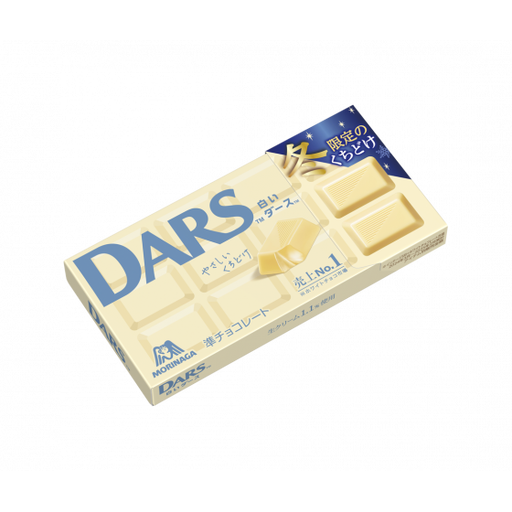
Morinaga Dars White Chocolate 47g
The 47g format is an option when one smaller white-chocolate item is wanted. Its product description identifies milk and soya and flags possible wheat and nuts; check the current pack’s complete declaration and keep it available at the sale.
 No image available
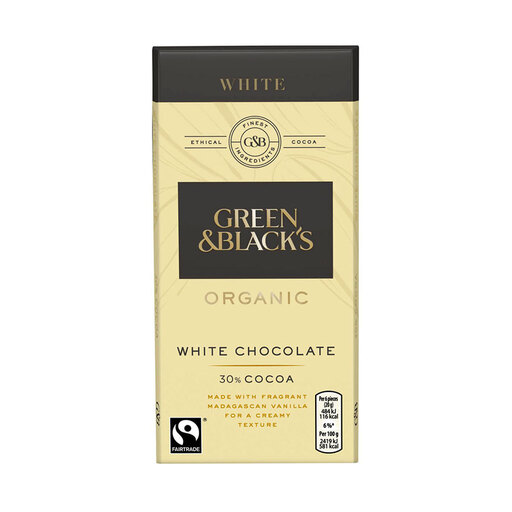
Green & Black's White Chocolate 90g
This 90g bar is an option when a single white-chocolate bar is wanted for the sale or for baking. Its product description identifies milk and soya and flags possible nuts; check the current pack’s complete declaration before use.
Frequently asked questions
What should I do with a white-chocolate bar’s wrapper at the sale?
Keep it available so helpers and buyers can check the product’s ingredients and allergen advice. The Food Standards Agency recommends retaining packaging for prepacked food at community and charity events; if the chocolate is used in a bake, keep track of the ingredients in the finished item too.
Is a vegan white-chocolate bar suitable for nut or peanut allergies?
Not necessarily. M&S labels its Made Without Dairy White Chocolate Bar vegan but states that it is not suitable for people with nut or peanut allergies. Check the exact product’s current pack against the specific requirement.
Can I describe a Lindt LINDOR White Bar as nut-free?
No. Lindt says its LINDOR White Bar may contain hazelnuts, almonds and other nuts, and states that none of its products is guaranteed free from nut allergens.
How should allergy-friendly bakes be served?
Anaphylaxis UK recommends separating allergy-friendly bakes, wrapping them before the sale where possible, and using different utensils and helpers to reduce cross-contact. Those precautions do not replace checking every ingredient and its current allergen advice.


