Bakers melting white chocolate
For ganache, drizzles, mousse or cake decoration, a plain bar described for cooking or baking is a practical starting point. Check its format before treating a filled bar as a substitute.


For ganache, cake drips or melted decoration, start with a plain white chocolate bar explicitly sold for cooking or baking: Waitrose and M&S both describe bars for those uses. Check the ingredients and current allergen label before buying; a filled bar such as Lindt LINDOR White introduces a centre and vegetable fats that a recipe calling for plain white chocolate may not account for.
For ganache, drizzles, mousse or cake decoration, a plain bar described for cooking or baking is a practical starting point. Check its format before treating a filled bar as a substitute.
If white chocolate is a noticeable part of the dessert, compare the stated vanilla ingredients and whether the bar is plain or filled. Lindt describes its EXCELLENCE White Vanilla bar as containing Madagascan vanilla.
Read the current pack for ingredients, allergens and precautionary statements, particularly when sharing the bake. A dairy-free or vegan label alone does not establish nut or peanut suitability: M&S says its Made Without Dairy White Chocolate is unsuitable for people with those allergies.
Start with the recipe’s intended use, then compare bar format, ingredients and the label on the pack you will use.
| Priority | What to check | Your needs |
|---|---|---|
| Recipe use | Look for an explicit cooking or baking description. Check whether the bar is plain or has a filling or inclusions. | I’m melting chocolate for ganache, a drizzle or decoration, so I want a plain bar rather than an unplanned filling in the mixture. |
| Flavour and composition | Read the ingredients for cocoa butter and the stated vanilla ingredient. Compare cocoa-solids figures only when they are given for the products in question. | Vanilla will be noticeable in my dessert, and I want to choose that flavour deliberately rather than assume all white chocolate bars taste alike. |
| Allergens | Check the exact pack’s ingredients, allergen information and precautionary statements. Assess dairy-free or vegan labels alongside the full declaration. | I’m serving this bake to someone with dietary or allergy requirements, so the label on the bar I use matters. |
| Decorative finish | Check whether the recipe calls for simple melting or tempering. Whitakers Chocolates gives a working temperature of about 28–29°C for tempered white chocolate. | For moulded pieces or a finish where gloss and snap matter, I need to control the melting and tempering process, not just choose a bar by its name. |
Lindt LINDOR White has a smooth filling and lists coconut and palm-kernel vegetable fats alongside cocoa butter. That filling becomes part of the recipe if the bar is melted or chopped into it.
For a recipe calling for plain white chocolate, choose a plain bar. Use a filled bar when its centre is an intended part of the bake.
Product recipes can change; Waitrose advises checking the pack rather than relying only on its website information.
Read the ingredients, allergen information and precautionary statements on the exact bar before baking, especially if you will share the finished food.
Temperature control matters when melting chocolate for a decorative finish. Whitakers Chocolates gives a melting range of about 40–45°C and a working range of about 28–29°C when tempering white chocolate.
Chop the bar into even pieces and heat it gently in a bowl over simmering water, without letting the bowl touch the water. Use a thermometer if you are tempering it.
M&S labels its Made Without Dairy White Chocolate vegan but states that it is not suitable for people with nut or peanut allergy.
Check the current product’s full ingredient and allergen declarations against the specific dietary requirements of the people eating the bake.
Waitrose describes its 180g Belgian white chocolate bar as being for cooking, including mousse, drizzling and cakes.
M&S places its 100g White Chocolate in its Cooking Chocolate & Cocoa range and suggests it for baking or dessert decoration.
Lindt offers both the plain EXCELLENCE White Vanilla bar and the filled LINDOR White bar; the distinction matters when a recipe specifies plain chocolate.
Cadbury describes its 90g White Chocolate Bar as a plain white chocolate snack bar.
A VeeMart listing identifies a 100g Milka White Chocolate Bar and provides its ingredient list.
These single bars offer options for baking or dessert use. Check the recipe and current pack before choosing one for a particular melting technique or dietary requirement.
 No image available
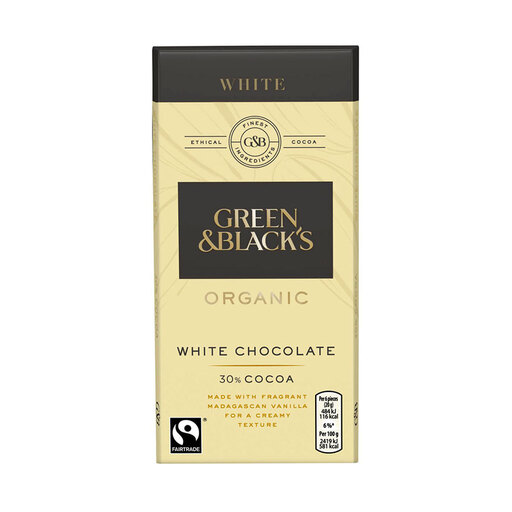
Consider this plain bar when Madagascan vanilla is part of the flavour you want in a bake; its product description also names baking as a use.
The listed ingredients include cocoa butter, vanilla pod and vanilla extract. Check the exact pack’s allergen statements, and test a small amount first if a particular melted finish is important.
 No image available
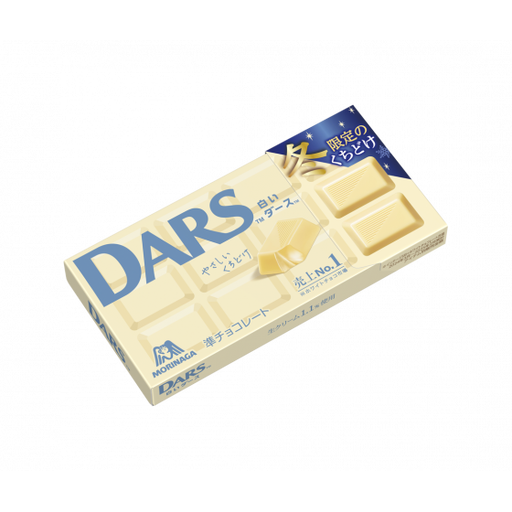
This smaller bar’s product description suggests melting it into a dessert or using it as a topping.
Its listed ingredients include cocoa butter and vanilla flavouring. Check the current pack’s allergen information, and do not assume a particular result for ganache, coating or decoration without trying the recipe.
Not for every recipe, but a plain bar explicitly described for cooking or baking is a sensible starting point for melting, drizzling and decoration. Waitrose describes its Cooks’ Ingredients bar as being for cooking, while M&S suggests its White Chocolate for baking and dessert decoration.
Yes, when the filling is meant to be part of the result, such as in chopped pieces added to a bake. Do not assume it is interchangeable with plain white chocolate in ganache or coatings: Lindt LINDOR White contains a filling and lists coconut and palm-kernel vegetable fats.
Use gentle, indirect heat, with a bowl over simmering water that does not touch the water. For tempering, Whitakers Chocolates gives a melting range of about 40–45°C and a working temperature of about 28–29°C; use a thermometer when that finish matters to your recipe.
Check the ingredients, allergen information and precautionary statements on the exact pack you will use, rather than relying on an older pack or a product image. This is particularly important when the finished bake will be shared.
Not necessarily. M&S says its vegan Made Without Dairy White Chocolate is not suitable for people with nut or peanut allergy, so check the current product’s full allergen information against the person’s specific requirements.