Bakers making drips or decorations
If the chocolate needs to melt for a cake drip, coating or dessert decoration, look for a bar described for cooking or baking. The recipe’s method matters as well as the fact that the bar is white chocolate.


For a Christmas bake that requires melted chocolate for a drip, coating or decoration, start with a plain bar described for cooking or baking: M&S describes its 100g bar for home baking and dessert decoration, while Waitrose describes its 180g Cooks’ Ingredients bar for cooking and melting. A plain eating bar may suit a recipe calling for chopped chocolate, but a filled bar such as Lindt LINDOR White is not a like-for-like substitute when the recipe specifies plain white chocolate. Match the weight to your recipe and check the current wrapper for allergens.
If the chocolate needs to melt for a cake drip, coating or dessert decoration, look for a bar described for cooking or baking. The recipe’s method matters as well as the fact that the bar is white chocolate.
For a tray of cookies, brownies or a small decoration project, compare the recipe’s required weight with the weight of one bar. The researched examples include 90g, 100g and 180g bars, so one bar will not cover every recipe.
Check the current wrapper before using a bar for someone else. The relevant product information includes milk, soya or nut-related statements, and retailers warn that ingredients and allergen details can change.
Start with what the recipe asks you to do with the chocolate, then check the quantity and the current pack.
| Priority | What to check | Your needs |
|---|---|---|
| Recipe method | Check whether the recipe calls for chopped chocolate, a melted ingredient or a set finish. For coating or decoration, look for an explicit cooking or baking description; technique also matters if the chocolate must set with gloss and snap. | I’m making a drip or decoration, so I need a bar suited to that method rather than choosing an eating bar solely by flavour. |
| Bar weight | Compare the recipe’s requirement in grams with the weight on the wrapper. Check whether one bar covers the full amount, including any chocolate needed for decoration. | One bar should cover my batch without leaving substantially more chocolate than I plan to use. |
| Ingredients and allergens | Read the current ingredients, allergen declaration and any may-contain statement. Check whether the recipe specifies plain chocolate rather than a filled bar. | If I’m serving guests, I need to check the particular bar I’m using, not rely on a wrapper or product listing I saw previously. |
Lindt describes LINDOR White as a bar with a smooth filling, and its ingredient list includes coconut and palm-kernel vegetable fats. It therefore has a different composition from a plain bar when a recipe specifies white chocolate for coating or tempering.
Use a plain bar described for cooking or baking when that specification matters, unless the recipe expressly calls for a filled confectionery bar.
A 90g or 100g bar will not cover a recipe that calls for more chocolate than the bar contains. A larger bar may leave chocolate unused in a small decoration project.
Check the recipe quantity in grams against the stated bar weight before shopping.
If one bar falls short, you may need a second bar to finish the bake.
The product information for these bars differs: M&S lists soya as well as milk, and several listings include nut-related warnings. The Food Standards Agency explains that a precautionary allergen statement communicates possible unintended allergen presence, rather than an ingredient deliberately added to the product.
Read the ingredients, allergen declaration and any may-contain statement on the current wrapper, particularly when baking for someone with an allergy.
Melting and tempering are not the same step. Callebaut explains that tempering pre-crystallises cocoa butter to help chocolate set with gloss and a firm snap; overheating can interfere with the intended finish.
Heat gradually and stir between short intervals. If the recipe requires tempered decorations, follow a suitable tempering method rather than relying on melting alone.
These examples show how product descriptions and bar formats differ; check the particular variant rather than treating every bar from a brand as interchangeable.
M&S describes its 100g White Chocolate bar for home baking and dessert decoration.
Waitrose describes its 180g Cooks’ Ingredients White Chocolate as intended for cooking and melting. It also describes its separate 180g Belgian White Chocolate eating bar as usable in bakes.
Cadbury describes its White Chocolate Bar as a 90g eating bar.
Lindt LINDOR White Bar 100g is described as white Swiss chocolate with a smooth filling.
These two white chocolate bars offer different single-bar quantities for Christmas baking. Compare each listing’s suggested uses with your recipe, especially if you need a controlled coating or tempered decoration.
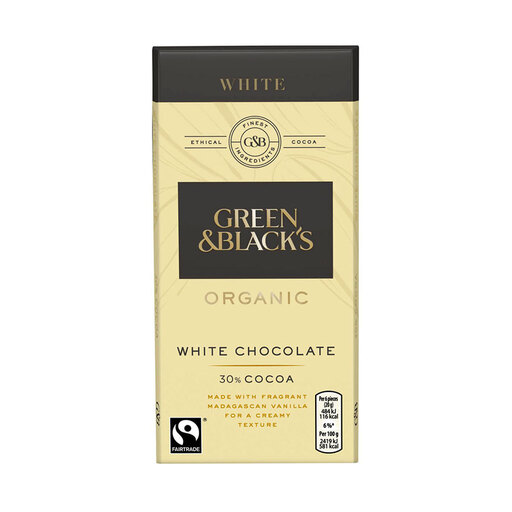 No image available
The listing describes this 90g bar for baking. If your recipe needs a controlled coating or tempered finish, check that it suits the method before choosing it. The listing flags milk, soya and possible nut traces; confirm the details on the current wrapper.
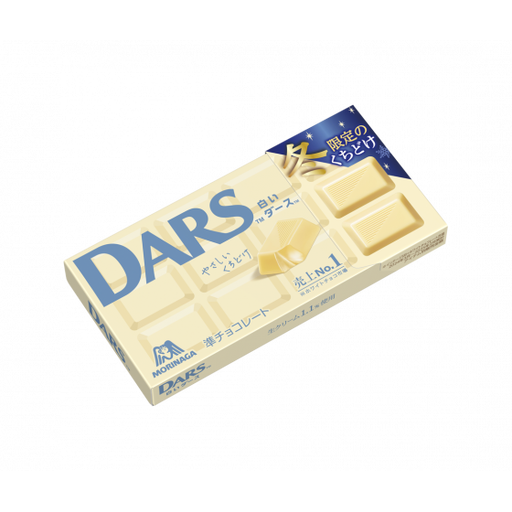 No image available
The 47g bar may fit a recipe needing only a small quantity. Its listing suggests melting it into desserts or using it as a pastry topping; check the recipe’s requirements before using it for a coating or tempered finish. The listing flags milk and soya, with possible wheat and nut presence; confirm the current wrapper.
Start with a plain bar explicitly described for cooking, baking or decoration. M&S describes its White Chocolate bar for home baking and dessert decoration, while Waitrose describes its Cooks’ Ingredients bar for cooking and melting. If the finished chocolate needs to set with gloss and snap, Callebaut’s guidance makes clear that tempering technique matters too.
Yes, when the recipe calls for chopped white chocolate rather than a controlled melted finish. Cadbury describes its 90g White Chocolate Bar as an eating bar, so its description alone should not be taken as guidance for coating, tempering or moulding.
Use a filled bar only when the recipe allows for that change. Lindt describes LINDOR White as having a smooth filling and lists vegetable fats alongside cocoa butter, so it differs in composition from the plain white chocolate specified in some melting or coating recipes.
Heat it gradually and stir between short intervals rather than overheating it. For a decoration that must set with gloss and a firm snap, follow a tempering method: Callebaut explains that tempering pre-crystallises the cocoa butter, which is distinct from simply melting the chocolate.
Yes. Check the ingredients, allergen declaration and any may-contain statement on the current wrapper, especially when baking for a guest with an allergy. M&S and Waitrose warn that product information can change, while the Food Standards Agency distinguishes precautionary allergen statements from deliberately added ingredients.