Shoppers adding one Easter treat
A 90–100g bar fits a different purpose from a 180g bar intended for sharing or baking. Decide how the chocolate will be used before choosing the size.


For a single Easter treat, start with the format you want: a plain 90–100g bar, a vanilla-led solid bar or a smaller vegan alternative if avoiding milk ingredients matters. Check the exact pack before buying for milk, soya, nut and peanut information; a vegetarian or vegan label does not settle every allergy question.
A 90–100g bar fits a different purpose from a 180g bar intended for sharing or baking. Decide how the chocolate will be used before choosing the size.
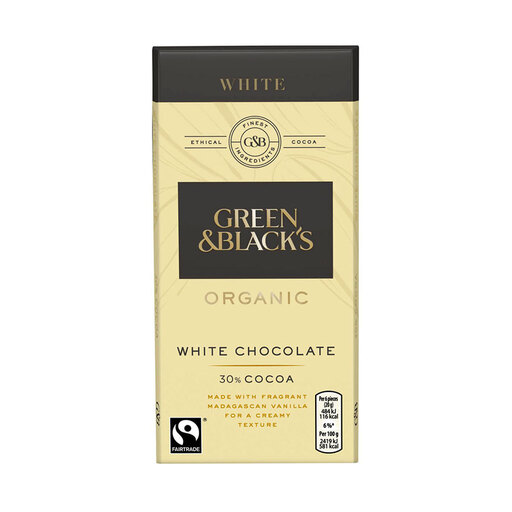
Look at the individual bar for stated vanilla ingredients, cocoa-solids figures or organic and Fairtrade claims. These details differ between products from the same brand.
Conventional bars in this selection list milk ingredients. A vegan-labelled alternative needs its own allergen check: the M&S Made Without Dairy bar, for example, is labelled unsuitable for people with nut or peanut allergies.
Choose the format and intended use first, then read the ingredients and allergy information on the exact bar.
| Priority | What to check | Your needs |
|---|---|---|
| Flavour and texture | Check whether the bar is plain, vanilla-led or filled. Lindt Shop UK lists vanilla ingredients for its solid EXCELLENCE White Vanilla bar and a filling for its LINDOR White Bar. | I want to know whether I am picking a solid bar or one with a soft centre, rather than choosing by the words “white chocolate” alone. |
| Dietary fit | Read the current pack for milk and soya ingredients, plus nut, peanut and other allergy warnings. Check a vegan-labelled bar separately for allergens. | If the bar is for someone avoiding particular ingredients, I need the declaration for that exact product, not an assumption based on its brand or vegan label. |
| Bar size | Compare the stated weight with how you will use it: the researched examples include 35g, 90–100g and 180g formats. | For one Easter treat, a smaller bar may be enough; for sharing or baking, I need to check whether the amount suits the plan. |
| Stated credentials | Check the individual product for organic or Fairtrade declarations and any stated cocoa-solids figure. Do not transfer a claim from one variant to another. | Organic or Fairtrade sourcing matters to me, so I want that claim on the bar I actually choose. |
The conventional bars described here contain milk ingredients. The vegan-labelled M&S Made Without Dairy bar carries separate nut and peanut allergy warnings.
Read the ingredients and allergen statement on the current pack for the intended recipient; do not rely on the product name or a vegetarian or vegan label alone.
A solid vanilla bar and a filled bar are different choices, even when both are described as white chocolate.
Check whether the product is solid or filled, and whether vanilla or another flavour is stated.
A 35g treat, a 90–100g bar and a 180g bar provide different amounts for eating, sharing or baking.
Check the weight and pack format against what you intend to do with the chocolate.
The pack is the item the recipient will eat, so its current ingredients and warnings matter when choosing for an allergy or intolerance.
Read the packaging in hand before serving or gifting. GOV.UK guidance states that prepacked food requires a label displaying mandatory information.
These examples show why it is worth checking the particular bar rather than choosing on brand name alone.
Cadbury UK lists a 90g White Chocolate Bar as vegetarian.
Lindt Shop UK lists a solid EXCELLENCE White Vanilla Bar and a filled LINDOR White Bar.
Waitrose lists an organic 30% white chocolate bar from Green & Black’s.
Waitrose lists a 180g Belgian White Chocolate bar that offers a larger format for sharing or baking.
M&S lists conventional milk-containing white chocolate bars as well as a 35g Made Without Dairy bar labelled vegan.
UK retailer VeeMart lists a Milka White Chocolate Bar 100g.
Galaxy’s UK bar collection describes several milk-chocolate styles, including Smooth Milk and Caramel.
These options cover a 90g white chocolate bar and a smaller 47g white chocolate treat. If you specifically want a conventional single bar, check the 47g pack’s shape before choosing it.
 No image available
A 90g bar for one Easter treat or for use in baking. Its product description lists cocoa butter, milk and vanilla ingredients, and declares soya and possible nut traces. Check the pack for dietary information and for any sourcing or cocoa-solids claim important to your choice.
 No image available
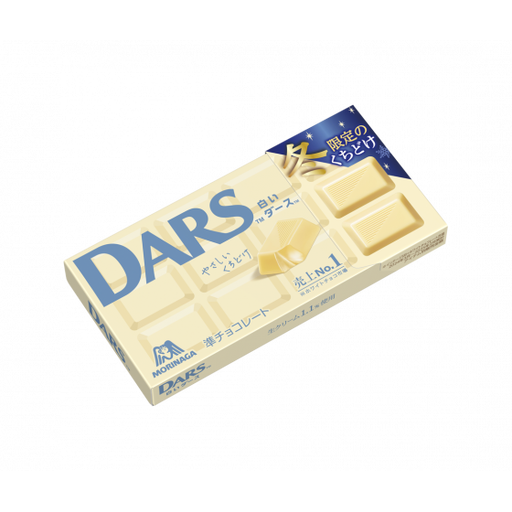
A compact 47g white chocolate pack for a smaller treat; check its shape if a single bar is essential. Its product description lists cocoa butter, vanilla flavouring, milk and soya, with warnings that wheat and nuts may be present. Read the pack before choosing it for someone with dietary restrictions.
Decide whether you want a plain solid bar, a vanilla-led or filled bar, a larger amount for sharing or baking, or a vegan-labelled alternative. Then check the exact product’s weight, ingredients and allergy information.
The conventional bars described here list milk ingredients, including milk powder, lactose or whey. If avoiding milk ingredients is essential, check a specifically labelled alternative and read its current pack rather than relying on the general description “white chocolate”.
Not necessarily. M&S labels its Made Without Dairy White Chocolate Bar vegan but says it is not suitable for people with nut or peanut allergies. Check the allergen statement for the particular bar.
Use the webpage to identify a possible choice, then read the current pack before serving or gifting it. GOV.UK guidance says prepacked food requires a label displaying mandatory information, and the pack lets you check the product you have in hand.
A larger format may suit a recipe that needs more chocolate: Waitrose lists its Belgian White Chocolate bar at 180g, compared with the 90–100g bars considered as individual treats. Check the amount your recipe needs and the bar’s ingredients before using it.