Shoppers after a simple tea-break bar
If you want a few squares beside your biscuits rather than a box or multipack, start with a plain or vanilla-flavoured bar and choose a weight that suits how you plan to portion it.


Choose a plain or vanilla white-chocolate bar for a straightforward square alongside tea and biscuits; choose a filled bar or one with wafer when you specifically want a different texture. Check the bar’s weight against the portion you have in mind, and read its current ingredients and allergen statements before buying.
If you want a few squares beside your biscuits rather than a box or multipack, start with a plain or vanilla-flavoured bar and choose a weight that suits how you plan to portion it.
A thin bar, a soft filling and a wafer inclusion make for different bites. Decide whether you want a firm square, a melting centre or crunch before comparing particular products.
Look for a product that meets your dietary requirements, then check the current pack for ingredients and precautionary allergen statements. A vegan label alone does not establish suitability for every allergy.
Choose the flavour and texture you want first, then check the bar’s weight, label and nutrition information for the portion you expect to eat.
| Priority | What to check | Your needs |
|---|---|---|
| Flavour and texture | Check whether the bar is plain, vanilla-flavoured, filled or made with wafer. A filling or wafer changes the bite compared with a plain square. | I want white chocolate alongside my biscuits without an added filling—or I’m deliberately looking for a softer or crunchier bite. |
| Bar size | Compare the stated pack weight with the amount you intend to eat. A 180 g retail bar can be divided across several tea breaks. | A smaller bar suits the single occasion I have in mind; if I choose a larger one, I plan to break it into portions. |
| Ingredients and allergens | Read the current pack’s ingredients and precautionary statements, including any information relevant to milk, soya, nuts, peanuts or cereals. Check a vegan product separately for your particular allergy needs. | I need to know whether this exact bar meets my dietary requirements, rather than relying on its flavour or a vegan label. |
| Nutrition information | Use figures per 100 g to compare products on the same weight basis. Check per-serving information, where given, against the portion you intend to eat. | When comparing sugar or saturated fat, I want the figures to describe comparable amounts of chocolate—not bars of different weights. |
A plain square, vanilla-flavoured chocolate, a melting filling and a wafer inclusion offer different flavours and textures beside tea.
Choose the style you want before comparing brands, then check the exact product description for fillings or inclusions.
A vegan label addresses ingredients of animal origin; it does not by itself establish whether a bar is suitable for someone with a nut, peanut or other allergy.
Read the current physical pack’s ingredients and precautionary allergen statements for the exact bar you intend to buy.
Bars of different weights do not provide an equal basis for a whole-bar comparison.
Compare the same nutrient per 100 g, then check any serving information against the amount you actually plan to eat.
These examples illustrate different bar formats; each product’s current pack remains the place to check ingredients and suitability.
Cadbury UK describes its White Chocolate Bar as a 90 g vegetarian white-chocolate bar.
Lindt Shop UK describes the 100 g EXCELLENCE White Vanilla as vanilla-flavoured chocolate with a crisp snap, and the 100 g LINDOR White as chocolate with a melting filling.
Marks & Spencer lists a 180 g Choc Marks White Chocolate bar and a separate 35 g Made Without Dairy White Chocolate Bar labelled vegan.
Waitrose & Partners lists Belgian White Chocolate alongside a distinct No.1 blonde chocolate with feuilletine wafer and sea salt.
These two single-bar options offer different pack weights for a tea-and-biscuits break. Compare the size you want and check the current packaging for ingredients and allergens.
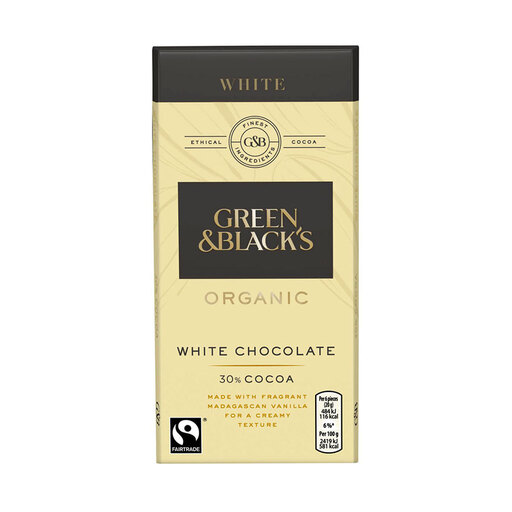 No image available
A 90 g white-chocolate bar to consider if you want to break off squares across tea breaks. Check the current pack for ingredients, allergens and serving information before choosing a portion.
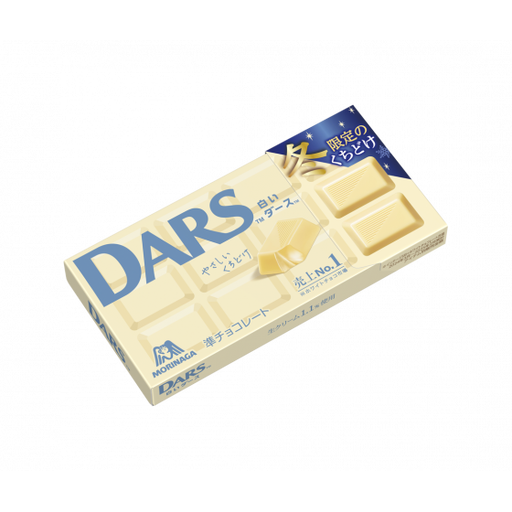 No image available
A 47 g white-chocolate bar if you prefer a smaller pack for the occasion. Read the current packaging for ingredients and allergen statements, especially if dietary suitability affects your choice.
Start with a plain bar if you want a straightforward chocolate square. Choose vanilla flavour, a melting filling or wafer crunch only if that particular flavour or texture appeals to you alongside the biscuits.
It is one retail bar, but it need not be eaten on one occasion. Marks & Spencer lists Choc Marks White Chocolate at 180 g, while smaller named alternatives include Cadbury’s 90 g bar and M&S’s 35 g Made Without Dairy bar; choose by the amount you plan to eat or put aside.
No. Marks & Spencer states that its Choc Marks White Chocolate contains milk solids, while its separate 35 g Made Without Dairy bar is labelled vegan. Check the exact product’s current ingredients and allergen statements rather than relying on the category name.
Read the ingredients and precautionary allergen statements on the current pack. The Food Standards Agency says prepacked food must carry an ingredients list and allergens present in the product must be emphasised in that list.