Parents packing an occasional treat
Compare the amount likely to be eaten with the pack size, then check the school’s packed-lunch and allergy policy before putting a bar in a lunchbox.


For an occasional back-to-school treat, choose a white-chocolate bar by its pack size, the intended eater’s dietary and allergen needs, and the school’s packed-lunch policy. A 35g M&S Made Without Dairy bar offers a smaller vegan format but is not suitable for people with nut or peanut allergy; 90g–100g bars offer other flavours and formats but need a deliberate decision about how much will be eaten.
Compare the amount likely to be eaten with the pack size, then check the school’s packed-lunch and allergy policy before putting a bar in a lunchbox.
A vegan white-chocolate-style bar may meet a dairy-free preference, but its own allergen statement still matters. Marks & Spencer says its Made Without Dairy bar is not suitable for people with nut or peanut allergy.
Plain white chocolate, vanilla-flavoured bars and larger blocks offer different choices. A block makes more sense when sharing or portioning at home is the plan, rather than carrying the whole pack to school.
Start with the school policy and the intended eater’s allergen needs. Then compare the pack weight with the amount you plan to serve and read the sugar information on the current label.
| Priority | What to check | Your needs |
|---|---|---|
| School policy | Ask the school about its current packed-lunch, confectionery and allergy rules. Department for Education guidance on school food covers food and drink provided in state-funded schools in England; it does not settle what an individual packed lunch may contain. | I need to know whether this bar can go in a school lunchbox before buying it for that purpose. |
| Allergens and diet | Read the current ingredients, allergen information and any may-contain statement for the exact bar. Marks & Spencer calls its 35g Made Without Dairy bar vegan but says it is not suitable for people with nut or peanut allergy. | A vegan label matters to me, but I cannot use it as a shortcut for checking other allergens. |
| Pack size | Compare the net weight with the amount intended for one occasion. Marks & Spencer lists a 35g dairy-free bar and a separate 180g white-chocolate block; Cadbury lists a 90g bar. | For one small treat, I would rather choose the pack size deliberately than assume every wrapped bar is one serving. |
| Sugar information | Check sugars per 100g and per serving where shown, alongside the amount likely to be eaten. Lindt lists 57g sugars per 100g for its EXCELLENCE White Vanilla Bar; that figure is not the sugar content of a smaller portion. | I want to understand the amount of chocolate being served, not compare labels without accounting for portion size. |
| Flavour and use | Decide whether a plain bar, a vanilla-flavoured bar or a larger block suits the occasion. Lindt lists a 100g EXCELLENCE White Vanilla Bar, while Waitrose lists a 180g Belgian White Chocolate block. | If I am buying for sharing at home, a larger block is an option; for a school-day treat, I would plan the portion separately. |
The listed options include a 35g bar, 90g–100g bars and 180g blocks. Their packaging does not make those amounts equivalent servings.
Check the net weight and decide whether the bar will be eaten at once, shared or portioned at home.
Marks & Spencer describes its Made Without Dairy bar as vegan and also states that it is unsuitable for people with nut or peanut allergy. Other bars carry their own ingredient and precautionary allergen statements.
Check the current pack for the intended eater rather than relying on a general description of white chocolate or a dietary label.
A bar’s sugar information and the amount eaten matter more than whether it looks like a single snack pack. NHS guidance advises attention to children’s sugar intake.
Keep white chocolate as an occasional treat and compare the label with the portion you intend to serve.
Department for Education guidance on school food addresses food and drink provided in state-funded schools in England. It does not establish that every school permits chocolate in packed lunches.
Check the individual school’s current packed-lunch and allergy policy before packing a bar.
These examples show how pack size, ingredients and flavour can differ between specific products; a brand name alone does not answer the school-policy or allergen questions.
Cadbury UK lists a 90g White Chocolate Bar described as vegetarian-friendly.
Lindt Shop UK lists the 100g EXCELLENCE White Vanilla Bar for shoppers seeking a vanilla-flavoured option.
Marks & Spencer lists both a 35g Made Without Dairy White Chocolate Bar and a separate 180g white-chocolate product.
Waitrose & Partners lists a 180g Belgian White Chocolate block and states that its cocoa is Fairtrade certified.
VeeMart lists a 100g Milka White Chocolate Bar.
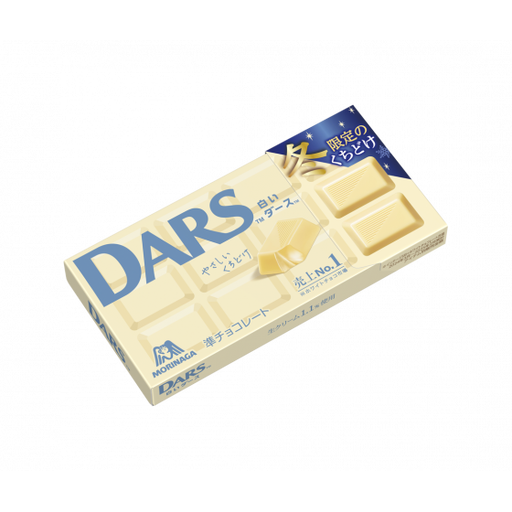
These bars and blocks offer a 47g pack alongside two 90g formats. Compare their size and the current pack label with your intended treat and the school’s policy.
 No image available
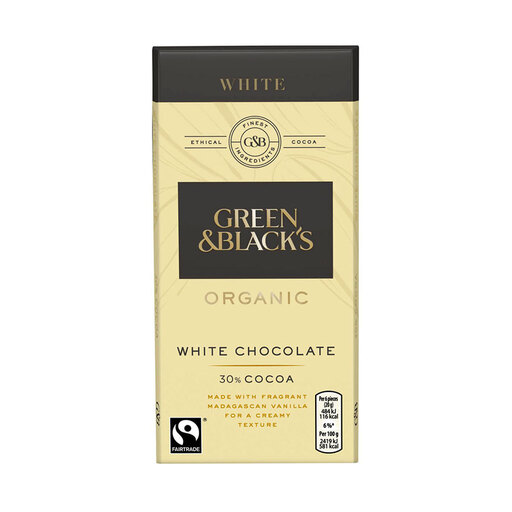
The 47g pack is smaller than the two 90g Joybuy options shown here. Check the current allergen label and the school’s packed-lunch policy before choosing it for a lunchbox.
 No image available
For an occasional treat, decide whether this 90g bar will be shared or portioned rather than treating the whole pack as one school-day serving. Check its current allergen label and the school’s policy.
 No image available
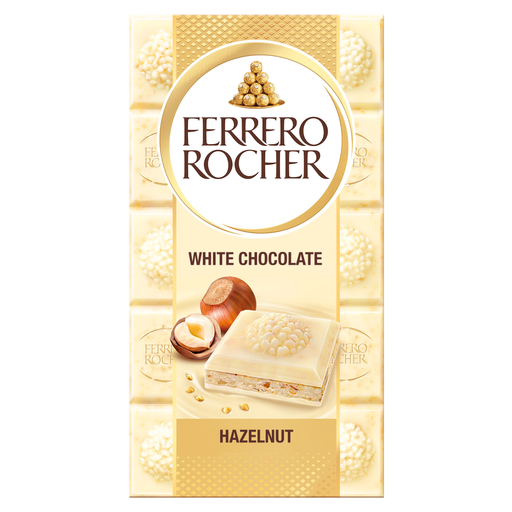
This 90g block is another format to consider if you plan to portion or share a treat. Read its current ingredients and allergen statement before choosing it for the intended eater, and check the school’s packed-lunch policy.
Check the individual school’s current packed-lunch and allergy policy before packing one. Department for Education guidance on school food concerns food and drink provided in state-funded schools in England; it does not establish permission for every packed-lunch item.
Not necessarily. Marks & Spencer describes its Made Without Dairy White Chocolate Bar as vegan but says it is not suitable for people with nut or peanut allergy. Check the exact product’s current label for the intended eater.
Compare pack weight, sugars per 100g and per serving where shown, ingredients, allergens and any may-contain statement. GOV.UK explains that food businesses must identify regulated allergens when they are ingredients; the current product label is the practical place to check the bar you intend to buy.
Marks & Spencer lists its Made Without Dairy bar at 35g, compared with Cadbury’s 90g White Chocolate Bar and the 100g Lindt EXCELLENCE White Vanilla and Milka White Chocolate bars. Pack size alone does not settle allergen suitability or whether a school permits the bar.
Treat it as an occasional sweet rather than an automatic everyday replacement. NHS guidance draws attention to children’s sugar intake; check the bar’s label and the amount likely to be eaten when deciding whether it fits the occasion.