Someone bringing their own treat
A single bar avoids buying a multipack for one seat at the table. Cadbury lists a 90g White Chocolate Bar, while Lindt lists 100g white chocolate bars; compare the actual pack sizes with what you want for yourself.


For a treat you plan to eat yourself, choose a single bar in a size that suits you; if you intend to pass it around the group, check the weight and stated servings before buying. Flavour and dietary requirements can change that choice: ask about restrictions when sharing, and check the exact pack’s ingredients and allergen statements.
A single bar avoids buying a multipack for one seat at the table. Cadbury lists a 90g White Chocolate Bar, while Lindt lists 100g white chocolate bars; compare the actual pack sizes with what you want for yourself.
Check whether the bar can be divided among the people attending. Waitrose lists its 180g Belgian White Chocolate as ten servings, but also says it contains milk and may contain nuts.
Choose by the specific requirement, not the appearance of the wrapper. M&S labels its 35g Made Without Dairy bar vegan but says it is unsuitable for people with nut or peanut allergies. Green & Black’s lists an organic, Fairtrade 90g bar that may contain nuts.
Decide whether the bar is for one person or the group, then check dietary requirements and the flavour or sourcing details that matter to you.
| Priority | What to check | Your needs |
|---|---|---|
| Dietary suitability | Read the exact pack’s ingredients and emphasised allergens. Check any precautionary nut statement separately; a vegan or vegetarian label does not answer every allergy question. | If I am sharing the bar, I need to know attendees’ restrictions before choosing it. M&S says its vegan Made Without Dairy bar is unsuitable for people with nut or peanut allergies. |
| Bar size | Compare pack weight and, for sharing, any stated serving count. Cadbury lists a 90g bar; Waitrose lists ten servings for its 180g Belgian White Chocolate. | One smaller pack suits my plan to bring a treat for myself; if several people will take a piece, I want enough to divide. |
| Flavour and texture | Check whether the product is plain, vanilla-flavoured or filled. Lindt describes natural vanilla flavour in its Excellence White Vanilla bar and a smooth filling in Lindor White. | For a simple snack, I may want an unfilled bar. If flavour or a filled centre is part of the occasion, I want that detail confirmed on the product I buy. |
| Product claims | Look for organic, Fairtrade or vegan claims on the specific bar rather than assuming they apply across a brand. Check the pack again if a claim affects your choice. | When sourcing matters to me, I can look at Green & Black’s Organic 30% White Chocolate Bar, which its Waitrose listing identifies as organic and Fairtrade. |
Dietary labels answer different questions. M&S labels its Made Without Dairy bar vegan while expressly saying it is unsuitable for people with nut or peanut allergies.
Ask which ingredients need to be avoided, then read the exact pack’s ingredients, emphasised allergens and precautionary statements before offering it to someone else.
Waitrose lists ten servings for its 180g Belgian White Chocolate. That serving information matters if the original plan was simply to bring one personal treat.
Compare the weight and stated servings with the number of people who will eat it, rather than choosing by the fact that it is sold as one bar.
Lindt lists a vanilla-flavoured bar and a filled bar, while M&S offers a vegan Made Without Dairy product. Those distinctions affect which option meets a flavour preference or dietary requirement.
Read the description of the particular bar, then use its pack label for the final ingredient and allergen check.
These examples illustrate different bar formats and claims; check the particular product rather than applying its details to every bar from the same brand.
Cadbury identifies a 90g White Chocolate Bar for someone seeking a conventional single bar.
Lindt Shop UK lists a 100g Excellence White Vanilla bar and a 100g Lindor White bar with a smooth filling.
M&S identifies its 35g Made Without Dairy White Chocolate Bar as vegan.
Waitrose lists a 180g Belgian White Chocolate bar as ten servings, making its stated portioning relevant to a group.
An Amazon UK listing identifies a Milka White Chocolate Bar sold as one 100g pack.
These Joybuy options are compact white chocolate packs to consider for an individual book-club treat. If you specifically need a single bar shape, check the product format before choosing.
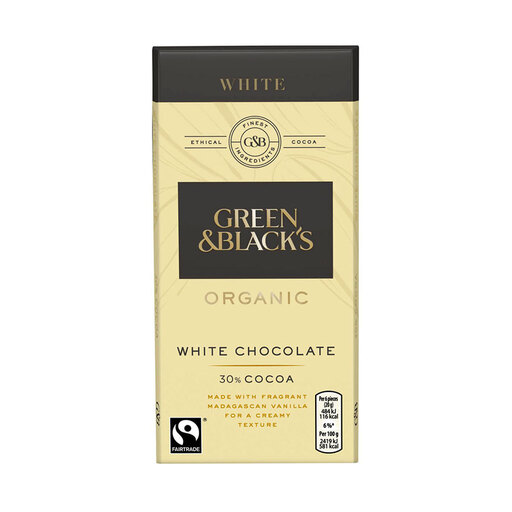 No image available
The 90g pack is an option when bringing white chocolate for yourself. If dietary requirements matter, check the exact pack’s milk, soya and nut information; do not assume that claims on a different Green & Black’s bar apply to this one.
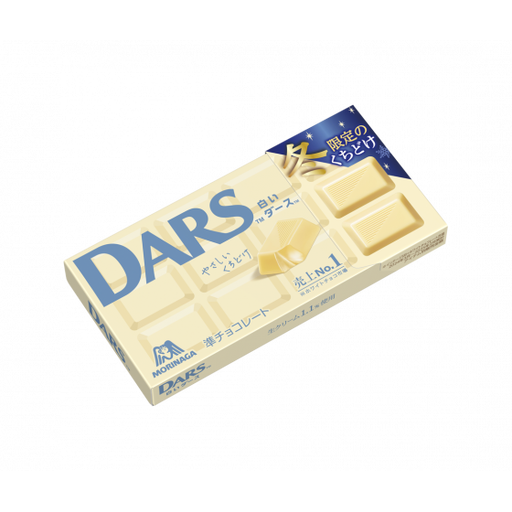 No image available
The 47g pack is a compact option for an individual treat. Check its shape if you need a single bar, and read the exact pack’s milk, soya, wheat and nut information before sharing it.
Do not assume it is: Waitrose lists milk ingredients in its Belgian White Chocolate, and Lindt lists whole milk powder and lactose in Excellence White Vanilla. For someone avoiding dairy, look for a specifically suitable product and check its exact pack; M&S labels Made Without Dairy vegan but says it is unsuitable for people with nut or peanut allergies.
No. Cadbury calls its 90g White Chocolate Bar vegetarian-friendly, but that does not establish allergy suitability. GOV.UK guidance says relevant prepacked-food labels must emphasise allergens in the ingredients list; read the particular bar’s label and any precautionary statement before serving it.
Check attendees’ dietary restrictions first, then compare the bar’s weight and stated servings. Waitrose lists its 180g Belgian White Chocolate as ten servings, but says it contains milk and may contain nuts.
Use the listing to narrow your choice, then check the exact pack before serving. M&S and Waitrose both advise checking product labels because ingredients and allergen information can change.