Seniors choosing a single bar
A 35g, 90g or 100g format may be easier to plan around than opening a 180g bar without deciding how it will be shared. The weight alone does not determine a serving.


Choose a single bar by deciding who will share it, then check the current pack for ingredients, allergens and serving information. Cadbury’s 90g and Lindt LINDOR’s 100g bars are conventional single-bar formats; M&S offers a smaller 35g Made Without Dairy bar, while its 180g bar and Waitrose’s 180g bar call for a sharing plan. A description such as “smooth” cannot establish whether a bar suits someone with chewing or swallowing difficulties.
A 35g, 90g or 100g format may be easier to plan around than opening a 180g bar without deciding how it will be shared. The weight alone does not determine a serving.
If several guests will share one bar, check its serving information and break it up before putting it on the table. Read the ingredient and allergen statements for the people you are serving.
A vegan or Made Without Dairy label answers a different question from a nut or peanut allergy warning. Check all relevant statements on the current pack rather than relying on the style of chocolate.
Start with the number of people being served, then check the exact bar’s label and whether its texture fits the occasion.
| Priority | What to check | Your needs |
|---|---|---|
| Bar size | Compare the bar’s weight with the number of people sharing it. For a larger bar, check stated servings and decide how to divide it. | I’m buying for one person, so I want to decide what to serve before opening the bar. |
| Ingredients and allergens | Read the current pack’s ingredients and precautionary allergy statements. Check dairy-free claims separately from nut and peanut warnings. | Before serving a guest with an allergy, I need to know whether this exact bar is suitable for them. |
| Sugars information | Compare labels on the same per-100g or per-serving basis. The NHS explains that a total-sugars figure is not an exact measure of free sugars. | I want to understand the labelled amount for the portion I plan to serve, rather than assume the whole bar is one serving. |
| Texture | Check whether the bar is plain, filled or contains pieces. A “smooth” product description does not assess an individual’s ability to chew or swallow. | If someone has eating difficulties, I need to follow their individual advice or care plan, not choose on a texture description alone. |
M&S Choc Marks and Waitrose Belgian White Chocolate are both 180g bars; Waitrose states 10 servings. Bar weight and stated servings matter when planning what to put out.
Decide how many people will share the bar and divide it before serving, or consider a smaller single-bar format.
The listed conventional bars have differing milk, soya and nut-related statements. M&S’s vegan Made Without Dairy bar is marked unsuitable for people with a nut or peanut allergy.
Check the current physical pack for the exact product. Do not serve it to someone with an allergy if the relevant statement is unsuitable or unclear.
M&S lists 36.1g sugars per 100g for its Made Without Dairy bar. A texture description does not establish whether a product suits an individual with chewing or swallowing difficulties.
Check nutrition and allergens separately from texture, and follow individual clinical advice or a care plan where eating difficulties are present.
M&S and Waitrose advise checking labels because product information can change. An online shortlist cannot settle the details of the pack being served.
Confirm its ingredients, allergen advice, weight and best-before date on the physical pack.
These examples show how format and label information differ; a brand name alone does not establish suitability for a guest.
Cadbury UK describes its White Chocolate Bar 90g as vegetarian-friendly.
Lindt Shop UK describes the LINDOR White Bar 100g as white Swiss chocolate with a melting filling.
Marks & Spencer lists a 180g Choc Marks White Chocolate bar and a 35g Made Without Dairy White Chocolate Bar.
Waitrose & Partners lists its Belgian White Chocolate as a 180g bar with 10 stated servings.
The Galaxy Smooth 180g sharing bar described by Mars / Galaxy UK is milk chocolate, not white chocolate.
These Joybuy-listed white-chocolate bars come in 47g or 90g formats. Check each current pack’s ingredients, allergens and texture against the needs of the person being served.
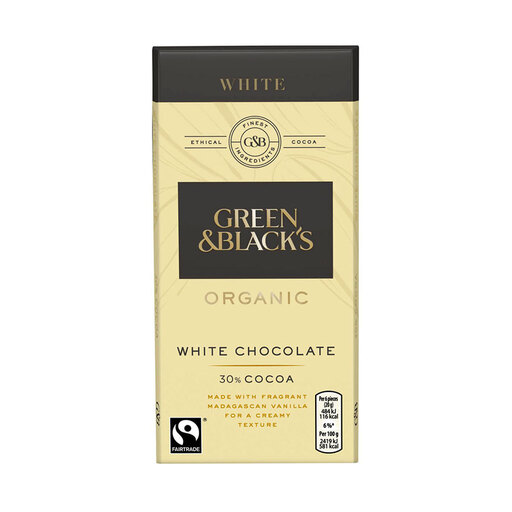 No image available
A 90g bar to consider when planning afternoon tea. Check the current pack for ingredients, allergens and whether its texture suits the person being served.
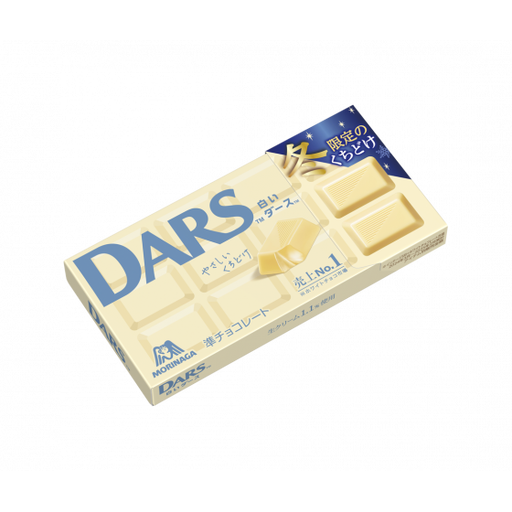 No image available
The 47g format offers a smaller single bar to plan around. Check the pack’s nutrition and allergen statements, particularly if milk, soya, wheat or nuts matter to your guests.
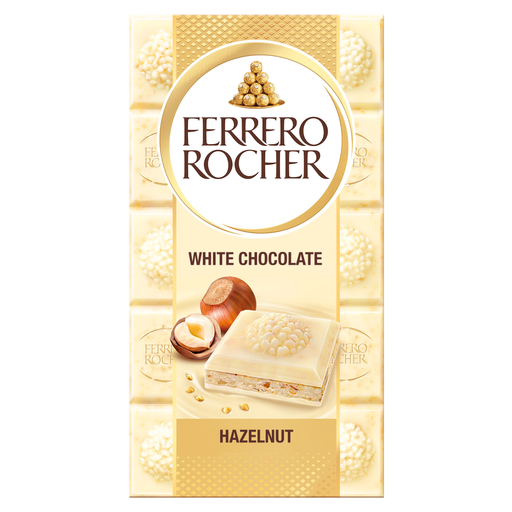 No image available
This 90g block is an option if its ingredients and texture fit the occasion. Check the current pack for hazelnuts, other allergen warnings and any crunchy pieces before choosing it in place of a plain bar.
Decide who will share it and what to serve before opening it. The NHS advises keeping both the frequency and amount of sugary foods as low as possible, so a planned serving is more useful than leaving a bar out for repeated snacking.
No. The NHS explains that the total-sugars figure includes naturally occurring sugars as well as free sugars. Compare product labels on the same per-100g or per-serving basis, but do not treat that figure as an exact free-sugars amount.
Not necessarily. Marks & Spencer labels its 35g Made Without Dairy White Chocolate Bar vegan but says it is unsuitable for people with a nut or peanut allergy. Check the current pack’s full allergen statement for the guest concerned.
No. A texture description cannot assess a person’s ability to chew or swallow. Where eating difficulties are present, follow their individual clinical advice or care plan rather than relying on the product description.