Couples planning a self-serve sweets table
Decide whether the bar will be displayed whole or broken into pieces, then plan how guests will access its ingredient and allergen information.


Choose a larger plain bar if you plan to break chocolate into shared buffet portions; a smaller vanilla-flavoured or filled bar makes more sense when that particular flavour or texture is part of the plan. Bar weight does not tell you how many portions to serve, and the current packaging matters for checking ingredients and allergens before guests help themselves.
Decide whether the bar will be displayed whole or broken into pieces, then plan how guests will access its ingredient and allergen information.
A plain bar, a vanilla-flavoured bar and a filled bar offer different formats. Choose the one that fits how you intend to serve the chocolate, as well as the flavour you want.
Check the exact product and current wrapper. A vegan label answers a different question from whether a bar is suitable for someone with a particular allergy.
Settle the serving format first, then compare flavour, pack information and the conditions in which the bars will be displayed.
| Priority | What to check | Your needs |
|---|---|---|
| Portions and format | Compare net weights and whether each bar is plain or filled. Work out the number of bars from your intended portions; a bar's weight is not a serving size. | I plan to break bars into shared pieces, or I want to put out a smaller complete bar. |
| Ingredients and allergens | Read the exact pack's ingredients, declared allergens and precautionary statements. Check a vegan-labelled bar separately for any allergy requirements. | Guests need to be able to check what is in the chocolate before taking a piece. |
| Flavour and texture | Distinguish plain white chocolate from vanilla-flavoured, filled and almond-containing bars. Check the product name and ingredients rather than relying on the colour of a filling. | For this buffet, I may prefer a straightforward plain bar over a flavoured or filled one—or want to offer a distinct flavour. |
| Storage and display | Follow the storage directions on each pack and consider the display conditions at the venue. Keep packaging identifiable after bars are opened. | I need the chocolate to remain presentable and its pack information accessible throughout service. |
M&S describes its Made Without Dairy White Chocolate Bar as vegan, but states that it is unsuitable for people with nut or peanut allergies.
Use the vegan label for the vegan requirement, and check the exact wrapper separately for declared allergens and precautionary statements.
ASDA describes Milka Bubbly White as alpine milk chocolate filled with 46% aerated white chocolate. It is not a wholly white chocolate bar.
If the buffet calls for plain white chocolate, read the full product description before choosing a bar with a white centre.
Once bars have been unwrapped, guests may no longer be able to tell which ingredient and allergen information belongs to each chocolate.
Keep the current wrappers identifiable. GOV.UK guidance says food businesses must provide allergen information for both prepacked and non-prepacked food; agree with a venue or caterer how it will make that information available for food it provides.
These examples illustrate differences between particular bars, not a claim that every product from a brand has the same ingredients or format.
Cadbury lists a plain White Chocolate Bar in a 90 g format.
Lindt lists distinct white bars, including the 100 g EXCELLENCE White Vanilla and 100 g LINDOR White with a filling.
The M&S examples span a 180 g plain bar, a 100 g vanilla bar and a smaller Made Without Dairy bar.
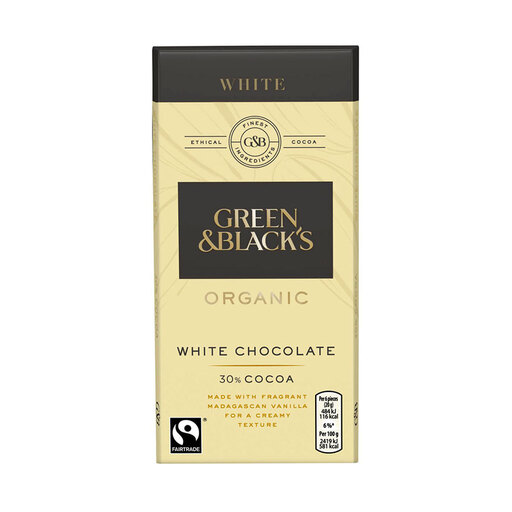
Waitrose lists a 180 g Belgian White Chocolate bar and a Green & Black's organic white chocolate bar.
Milka Bubbly White is a milk-chocolate bar with an aerated white-chocolate filling, rather than a plain white bar.
These are two smaller single-bar options to consider for a wedding buffet. Decide whether you intend to portion a bar or offer it as a small individual item, and check the current pack before serving.
 No image available
For a buffet where you intend to break a smaller bar into pieces, this is a 90 g option; plan the number of bars around the portions you want to put out. Check the current pack's ingredients and allergen statements, and keep that information available during service.
 No image available
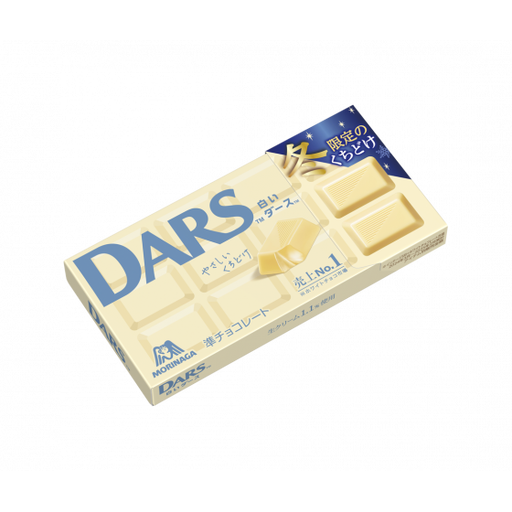
The 47 g pack is a smaller option to consider for an individual offering rather than a bar intended to provide many shared pieces. Check its current allergen statements and storage directions before placing it on the buffet.
A larger bar is worth considering if you intend to break it into shared pieces. M&S lists a 180 g Choc Marks white bar, while Cadbury lists a 90 g white bar; choose the number of bars from your serving plan, not from an assumed number of portions per bar.
No, a generic name does not give guests the allergen details for the exact bar. GOV.UK guidance requires food businesses to provide allergen information for prepacked and non-prepacked food. If a venue or caterer provides the chocolate, confirm how it will make that information available, and keep the current packaging identifiable.
No. M&S labels its Made Without Dairy White Chocolate Bar vegan but says it is unsuitable for people with nut or peanut allergies. Check the current pack against each guest's specific requirements rather than treating vegan labelling as an all-allergen assurance.
Not when the plan calls for a wholly white chocolate bar. ASDA describes Milka Bubbly White as alpine milk chocolate filled with 46% aerated white chocolate, so it is a different type of bar.
Follow each bar's current pack instructions and check the conditions where it will be displayed. Keep wrappers identifiable when opening bars so guests can still be given the correct ingredient and allergen information.