Holiday snackers choosing by taste
If the chocolate is for eating as it is, decide whether a creamy, sweet white bar or a richer, less-sweet dark bar is more likely to suit the person eating it.


Choose white chocolate for a creamy, sweet flavour, or a high-cocoa dark bar for a richer, less-sweet one; an 85% bar makes more sense when the recipient already enjoys a pronounced cocoa taste. Neither type is heat-proof, so keep it cool, dry and out of direct sun, and check the current pack’s allergen information before sharing.
If the chocolate is for eating as it is, decide whether a creamy, sweet white bar or a richer, less-sweet dark bar is more likely to suit the person eating it.
For a dessert or recipe, check the chocolate type, cocoa percentage where relevant, and pack weight before buying. Plan to keep it away from heat and direct sun until it is needed.
When someone avoids particular allergens, read the current pack’s ingredients and precautionary warnings. A dark or vegan description alone does not establish that a bar is suitable.
Start with the flavour the chocolate needs to bring to a snack or recipe. Then check how you will carry, store and share the particular bar.
| Priority | What to check | Your needs |
|---|---|---|
| Flavour | Check whether the bar is white chocolate or dark chocolate, and read the cocoa percentage on dark bars. Marks & Spencer explains that white chocolate contains cocoa butter but no cocoa solids, while dark chocolate has a richer, less-sweet taste. | I’d choose white for a creamy, sweet treat. If I want a more cocoa-forward flavour, I’d look at dark bars and choose a percentage the person eating them will enjoy. |
| Summer storage | Read the pack’s storage instructions and keep the bar dry, away from direct sun and hot surfaces. Hotel Chocolat advises around 18–20°C for keeping chocolate in good condition; cocoa percentage does not make a bar heat-proof. | If I’m carrying chocolate on a warm day, I need somewhere cool to keep it before we eat or use it. |
| Allergens | Check the exact pack’s ingredients and any ‘may contain’ warnings, even when a dark bar is described as vegan. Lindt’s EXCELLENCE Dark 70% Bar, for example, lists possible milk, nut, soya and sesame presence. | Before I share a bar, I want to know whether its current label meets each person’s allergen requirements. |
| Recipe fit | Match the recipe’s chocolate type, cocoa percentage and required quantity to the pack. Check whether a product is presented as cooking chocolate or an eating bar. | For baking, I need enough of the chocolate the recipe calls for; for snacking, flavour and a convenient bar size matter more to me. |
Both white and dark chocolate can soften or melt in warm conditions. Switching to a higher cocoa percentage does not remove the need for careful storage.
Choose by flavour and intended use, then keep the bar cool, dry and out of direct sunlight during travel and storage.
A percentage helps identify cocoa content, not whether milk, nuts, soya or sesame may be present.
Use the percentage to choose a flavour profile and the current pack’s allergen information to decide whether the product is suitable to share.
A product made to a vegan recipe can still carry a precautionary milk warning. Lindt’s EXCELLENCE Dark 70% Bar lists milk among the allergens it may contain.
For someone with a milk allergy, check the precise product’s current pack rather than relying on the word ‘vegan’.
A recipe may call for a particular chocolate type, cocoa percentage or quantity that a bar chosen for snacking does not match.
Check the recipe against the product description and pack weight before buying chocolate for baking.
These brand examples illustrate different parts of the white-versus-dark decision; they do not describe every product each brand makes.
Cadbury lists a 90g white chocolate bar for shoppers considering a sweet white-chocolate option.
The EXCELLENCE Dark 70% Bar 100g is a specific high-cocoa dark option.
Marks & Spencer lists both a 70% cocoa dark cooking chocolate and a 72% cocoa Swiss dark eating bar.
Galaxy’s Dairy Free range is relevant when considering a dairy-free chocolate route, rather than a specified high-cocoa dark bar.
Waitrose’s dark-chocolate assortment offers a way to compare bars by stated cocoa percentage.
These bars cover white chocolate for a sweet snack or baking, alongside 70%–85% cocoa dark chocolate for eating or cooking. Choose the type and pack size for your plans, then check the current label before sharing.
 No image available
Consider this dark bar when you want a stated 72% cocoa option for a holiday snack or recipe. The bar is 100g; check the current pack’s storage and allergen instructions before travelling or sharing.
 No image available
This 100g cooking chocolate is an option when a recipe calls for 70% cocoa dark chocolate. Check the quantity your recipe needs, and read the current pack’s storage and allergen information.
 No image available
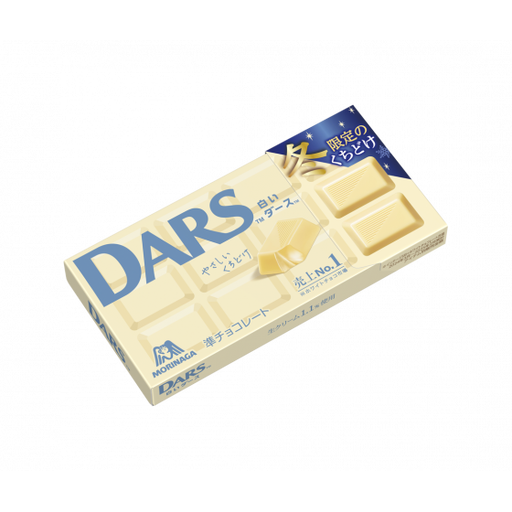
This 47g white chocolate pack is a smaller option when you want a sweet holiday treat rather than a high-cocoa dark bar. Keep it away from heat and check the current pack before sharing.
 No image available
Choose this 100g dark bar when the person eating it already wants a pronounced, less-sweet cocoa flavour. Its 85% cocoa description does not establish heat or allergen suitability; check the current pack for both storage and sharing.
 No image available
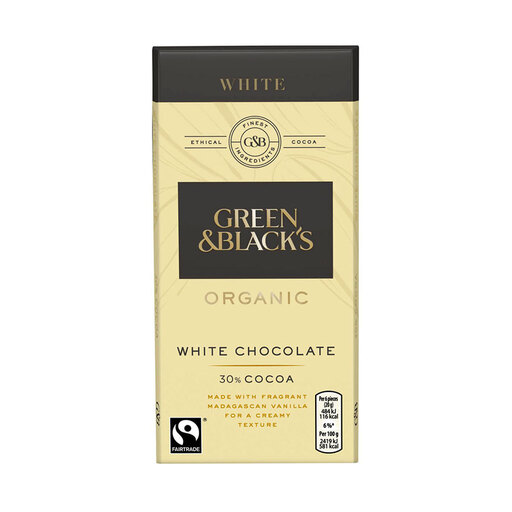
This 90g white chocolate bar is an option for a sweet snack or a recipe that calls for white chocolate. Check the recipe quantity, protect the bar from heat and read its current allergen information before sharing.
Do not count on cocoa percentage to protect a bar from heat. Both types contain cocoa butter and can soften in warm conditions, so keep either one cool, dry and out of direct sun.
Keep it somewhere cool and dry, away from sunlight and hot surfaces, and follow the particular pack’s instructions. Hotel Chocolat advises around 18–20°C for keeping chocolate in good condition and cautions against abrupt temperature changes.
Not on the vegan description alone. Lindt’s EXCELLENCE Dark 70% Bar, for example, says it may contain milk. Check the exact current pack’s ingredients and precautionary warnings against the person’s allergen requirements.
Yes, particularly when buying for someone with an allergy or intolerance. Read the current pack rather than relying on a previous purchase or an online description, including any ‘may contain’ statement.