Cocoa-led snackers
If you want a pronounced cocoa flavour, look for a dark bar that states its cocoa-solids percentage. Lindt, Galaxy and Waitrose identify 70% or 72% options on their product pages.


Choose a dark bar with a stated cocoa percentage if you want a cocoa-led flavour for your TV night; choose white chocolate if a creamy, sweet flavour matters more. Compare the exact bars’ sugars per 100g, pack sizes and allergen statements rather than assuming that every dark bar has the same ingredients or suits everyone sharing it.
If you want a pronounced cocoa flavour, look for a dark bar that states its cocoa-solids percentage. Lindt, Galaxy and Waitrose identify 70% or 72% options on their product pages.
White chocolate is the alternative when a sweet, creamy flavour appeals more than a high cocoa-solids declaration. Check the ingredients and nutrition panel of the bar you choose.
Read the exact bar’s ingredients and precautionary allergen statements before sharing. A dark bar is not automatically suitable for someone avoiding milk.
Choose it when: You want a cocoa-led bar with a stated percentage, such as 70% or 72%.
Keep in mind: Cocoa percentage does not establish sugar content or allergy suitability; check the exact pack.
Choose it when: A creamy, sweet flavour is more important to you than a dark bar’s cocoa-solids declaration.
Keep in mind: White chocolate is not a substitute for a high-cocoa dark bar; check its milk ingredients and nutrition panel.
| Priority | What to check | Your needs |
|---|---|---|
| Flavour and cocoa | Look for a cocoa-solids percentage on the exact dark bar. If sweetness matters, compare sugars per 100g on both products; Marks & Spencer lists 29.6g for its 70% dark bar and 54.8g for its white bar. | I would rather have a cocoa-led dark bar, or I would prefer the creamy sweetness of white chocolate. The Marks & Spencer figures describe those two bars, not every dark and white option. |
| Allergens | Read both ingredient and “may contain” statements on the current pack. Lindt says its EXCELLENCE 70% bar, despite its vegan recipe, is not suitable for people with milk allergy. | Everyone sharing the chocolate needs a bar that fits their own allergen requirements; colour and cocoa percentage cannot answer that for me. |
| Amount to share | Compare net weight and any stated serving information. Waitrose lists 10 servings for its 180g Belgian Dark 72% bar; other bars here come in smaller formats. | For a solo snack or a small group, I want to choose an amount that matches how much we expect to share. |
Lindt, Galaxy and Waitrose state 70% or 72% for the cited products, but a dark-chocolate name alone does not give you a comparable figure.
If cocoa percentage drives your choice, confirm it on the exact bar’s current wrapper or product page.
Lindt says its EXCELLENCE 70% bar is not suitable for people with milk allergy because it is made in a facility using milk. Waitrose says its Belgian Dark 72% bar may contain milk.
Check the current pack’s allergen statement for each person sharing the bar; do not use a vegan-recipe description as a substitute.
England’s Department of Health & Social Care guidance addresses promotion and placement of certain foods in relevant retail settings. England’s school-food regulations separately define chocolate as confectionery; these are distinct frameworks, not a rule against a household buying chocolate for a TV night.
If the question concerns food provided at school, check the applicable school-food requirements for that nation and setting rather than relying on a general HFSS description.
Lindt’s EXCELLENCE range includes dark bars with stated cocoa strengths, including 70% and 85%.
Waitrose Belgian Dark 72% is an own-label dark bar with a stated cocoa percentage and serving information.
Galaxy identifies a 70% cocoa dark chocolate option in its Fusions range.
Cadbury offers both Bournville Classic dark chocolate and a white chocolate bar.
Marks & Spencer provides nutrition panels for its 70% dark and white chocolate bars, allowing a comparison of those exact products.
On its German-market page, Milka positions Darkmilk as more cocoa-intensive than its own Alpine Milk chocolate.
These bars cover both sides of the TV-night choice: declared high-cocoa dark chocolate, a raspberry dark variant and a white chocolate option. Compare their individual labels before choosing one to share.
 No image available
A 100g dark bar for a TV-night choice centred on a stated 72% minimum cocoa-solids content.
The listing gives nutrition per 20g portion and states 20.7g sugars per 100g. It lists soya and warns of possible gluten-containing cereals, milk, nuts and peanuts; check the current pack before sharing with someone managing an allergy.
 No image available
Consider this bar if you want a stated 85% minimum cocoa-solids content rather than the 72% option above.
The 100g bar lists five 20g portions and 13.8g sugars per 100g. Its allergen warning includes possible gluten-containing cereals, milk, nuts and peanuts; check the current pack before sharing.
 No image available
This 100g dark bar is another option for someone choosing by a stated 85% minimum cocoa-solids content.
The listing states 15g sugars per 100g and names milk, nuts, soya and sesame in its allergen information. Confirm the current pack if anyone sharing has an allergy.
 No image available
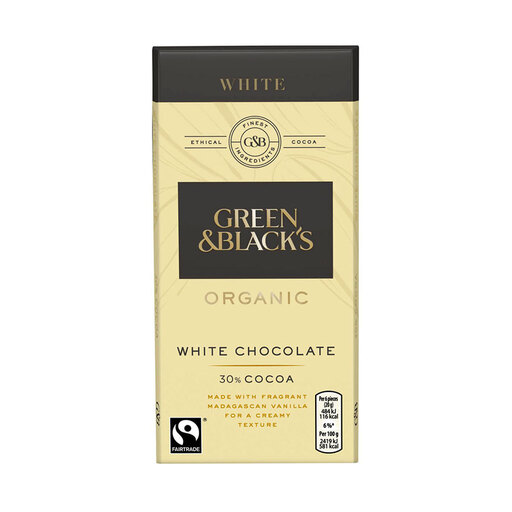
This vanilla-flavoured white chocolate is the option here for a creamy, sweet TV-night bar instead of cocoa-led dark chocolate.
The 90g bar’s listing states 51g sugars per 100g, lists milk and soya, and warns that it may contain nuts. Check the current pack before sharing with someone managing an allergy.
 No image available
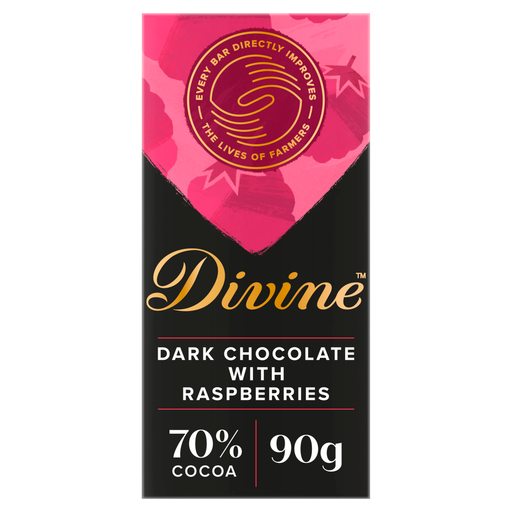
Choose this 90g variant if you want a stated 70% minimum cocoa-solids content with raspberry pieces rather than a plain dark bar.
The listing states 3% freeze-dried raspberry pieces and 27g sugars per 100g. Although its marketing copy calls the bar vegan-friendly, its allergen information identifies milk; verify the current pack before selecting it for someone avoiding milk. It may also contain gluten-containing cereals and nuts.
No. A stated percentage helps you identify the cocoa content of a particular dark bar, but flavour preference, ingredients, sugars per 100g, allergens and the amount you plan to share also matter. Lindt EXCELLENCE 70% and Waitrose Belgian Dark 72% state their cocoa percentages; check the exact pack when a particular strength matters to you.
No category-wide conclusion follows from a dark or white label. Marks & Spencer lists 29.6g sugars per 100g for its 70% dark bar and 54.8g per 100g for its white bar; compare the same per-100g measure on the exact products you are considering.
No. Lindt says its EXCELLENCE 70% bar is made to a vegan recipe but is not suitable for people with milk allergy because it is manufactured in a facility using milk; Waitrose says its Belgian Dark 72% bar may contain milk. Read the current wrapper’s ingredient and allergen statements for the exact bar.
No. The Department of Health & Social Care’s England guidance addresses promotion and placement of certain foods in relevant retail settings, while England’s school-food regulations separately define chocolate as confectionery. Neither description makes every chocolate bar automatically subject to the same HFSS classification or describes a ban on buying one for a TV night at home.