Organisers serving a mixed group
If preferences are unknown, a plain 70–72% dark option lets you meet a high-cocoa brief without making a 90% bar the only choice. A separate white-chocolate option gives attendees another flavour profile.


For a mixed work meeting with a high-cocoa brief, a plain 70–72% dark bar is a reasonable starting point; keep white chocolate as a separate option for people who prefer it. Offer a 90% bar only if you know some attendees want that stronger cocoa profile, and check the current packaging against any ingredient or allergy requirements before serving.
If preferences are unknown, a plain 70–72% dark option lets you meet a high-cocoa brief without making a 90% bar the only choice. A separate white-chocolate option gives attendees another flavour profile.
Look for the cocoa-solids figure on the exact product. Waitrose & Partners lists 72% for its Belgian dark bar and 25% for its Belgian white bar; Lindt lists dark bars at a minimum of 70% and 90% respectively.
Check the current ingredients and precautionary allergen statement for every product you plan to put out. A dark appearance or a vegan-recipe description is not a substitute for checking whether a particular bar is suitable for an attendee with an allergy.
Decide whether the meeting needs a high-cocoa option, a choice of flavours, or both; then check the exact packs for portions and ingredients.
Choose when: the main brief calls for dark chocolate with a clearly stated cocoa percentage.
Bear in mind: a cocoa percentage does not establish allergy suitability or tell you how many people a bar will serve.
Choose when: you want to offer a separate sweet, creamy option.
Bear in mind: white chocolate does not replace a dark bar when the brief specifically asks for high-cocoa dark chocolate.
Choose when: attendees have asked for a particularly cocoa-forward dark option.
Bear in mind: offer it separately rather than relying on it as the only chocolate for a group whose preferences you do not know.
| Priority | What to check | Your needs |
|---|---|---|
| Cocoa content | Read the stated cocoa-solids percentage on the exact bar. Waitrose & Partners lists 25% for its Belgian white chocolate and 72% for its Belgian dark chocolate. | Our meeting brief calls for high-cocoa dark chocolate, so I need a labelled dark option rather than white chocolate alone. |
| Flavour choice | Check whether the bar is plain or flavoured, and whether its stated cocoa percentage is 70–72% or closer to 90%. Check sugars per 100g on the current nutrition labels if sweetness matters to the group. | I do not know everyone’s taste, so I would rather offer a plain dark option and keep stronger or flavoured chocolate separate. |
| Ingredients | Read the current ingredient list and precautionary allergen statement for each pack. Check suitability against the requirements attendees have given you. | Someone attending may need to avoid a particular ingredient; I cannot determine suitability from the words “dark chocolate” alone. |
| Portions | Check the labelled serving or piece count, pack size and number of attendees. For individually wrapped products, confirm how many pieces the pack contains. | I need enough pieces to put out at the meeting without assuming one bar will cover the whole group. |
A bar labelled 90% cocoa serves a different preference from one labelled 70–72%. Cocoa percentage alone does not tell you what every attendee will enjoy.
Start with the meeting’s stated preference; make a 90% bar a separate option if you know someone wants it.
Ingredients and precautionary allergen statements differ between products, including dark bars.
Check each current pack against attendees’ requirements and keep its packaging available with the refreshments where practical.
Waitrose & Partners lists 25% cocoa solids for its Belgian white bar and 72% for its Belgian dark bar. They are not interchangeable when a stated high-cocoa dark option is required.
Put white chocolate out as a separately identified choice alongside a dark bar.
A pack’s weight does not, by itself, tell you how many pieces you will put out for attendees.
Use the current pack’s serving or piece count to plan how many packs the meeting needs.
Waitrose & Partners lists Belgian white and dark bars that provide a direct cocoa-percentage comparison within its own range.
Lindt’s EXCELLENCE range includes dark bars labelled at a minimum of 70% and 90% cocoa solids.
Galaxy describes a 70% cocoa dark option in its Fusions range.
M&S lists a dark chocolate product containing a minimum of 70% cocoa solids.
Cadbury’s Bournville Classic is a 100g dark chocolate bar.
These options include plain dark bars, a raspberry dark bar, dark truffles and a separate white-chocolate-coated wafer choice. Check each current pack before serving it to attendees with ingredient or allergy requirements.
 No image available
A plain dark-bar option for a meeting that calls for a stated cocoa percentage. The listing gives five 20g portions and identifies soya, with precautionary information for gluten, milk, nuts and peanuts; check the current pack before serving.
 No image available
This plain 90g dark bar is another choice for a meeting seeking a stated 70% cocoa option. Check the current pack for portions and for the listed precautionary information concerning almonds, hazelnuts and milk.
 No image available
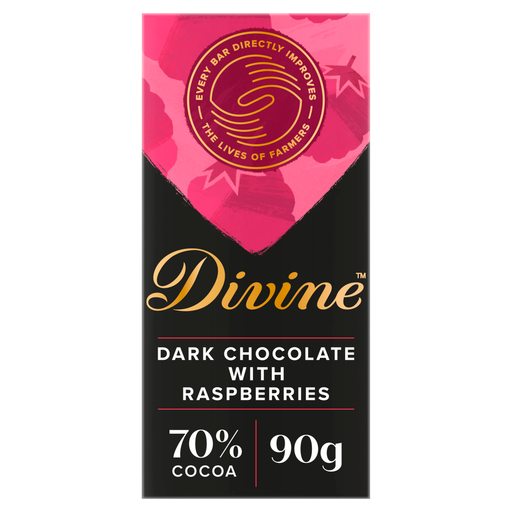
The raspberry pieces make this a flavoured alternative to a plain dark bar. The listing identifies milk as an ingredient and allergen, despite also using vegan-friendly wording; check the current pack rather than relying on that wording for dietary or allergy suitability.
 No image available
These dark truffles offer a different format from a plain bar. The title states 70% cocoa, but it does not clarify how that figure applies to the truffles and their centres; check the pack for that detail, the piece count and its allergen information.
 No image available
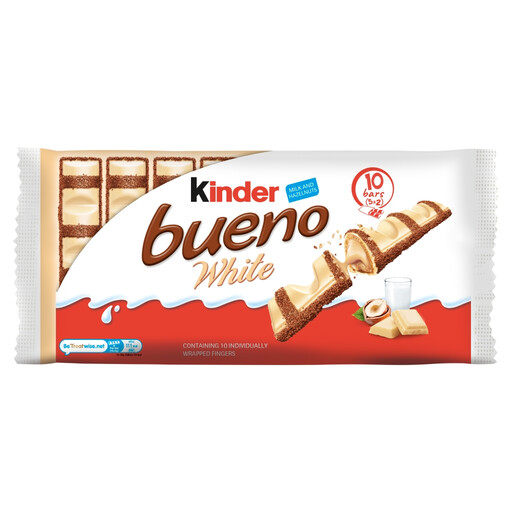
Ten individually wrapped white-chocolate-coated wafer fingers can be set out as a separate choice, not as a high-cocoa dark substitute. The listing identifies wheat, milk, hazelnuts and soya; check the current pack against attendees’ requirements.
No. Waitrose & Partners lists 25% cocoa solids for its Belgian white bar and 72% for its Belgian dark bar, while the cited Lindt dark bars state a minimum of 70% or 90%. White chocolate can still be a separate choice for attendees who prefer it.
A plain bar labelled 70–72% is a reasonable starting option when the brief asks for high-cocoa dark chocolate but attendees’ tastes are unknown. Add a 90% bar separately if some attendees have asked for that stronger cocoa profile; no percentage guarantees everyone will like the flavour.
Do not assume so. M&S states that its cited 70% dark chocolate is not suitable for people with a milk allergy. Check the current packaging of the exact product against the attendee’s requirements, including any precautionary allergen statement.
Keep the current packaging available where practical so attendees can check each product’s ingredients and allergen statement. Do this for white and dark options alike rather than treating their colour or cocoa percentage as an allergy guide.