
24/7 Customer Support

Free returns

Same-day & Next-day Delivery

Quality Guaranteed

Unlock Your Welcome Offers: FREE Delivery | Up to 80% OFF | Free 30-day JoyPlus trial
Download the APP
Buying white wine online should be straightforward, but labels and marketing descriptions can make similar-looking bottles seem very different. A crisp Sauvignon Blanc may suit a seafood dinner, while a sweet white wine could be more appropriate with dessert or blue cheese. Bottle size, alcohol content, sweetness and dietary information also affect whether your purchase works for the occasion.
This guide explains the practical details to check before you buy white wine online, followed by recommendations matched to different shopping needs.
The colour of a wine does not tell you how sweet it will taste. Sauvignon Blanc and many styles of Pinot Grigio are commonly dry and fresh, while Gewürztraminer, White Zinfandel and botrytised Sémillon can have noticeable sweetness.
Look for terms such as:
Descriptions such as “fruity” do not necessarily mean sweet. A dry wine can taste of peach, citrus or tropical fruit without containing much residual sugar.
Words such as “premium”, “refined” or “award-winning” do not replace useful information. Before buying, check the grape variety, region, ABV, bottle size and food-pairing guidance. These details are more helpful for predicting whether the wine fits your taste and occasion.
For example, a French white wine, Italian white wine or New Zealand white wine may each have a different style depending on grape, climate and winemaking. Country alone is not enough to determine flavour.
A standard 75cl white wine bottle contains approximately five 150ml glasses, although pouring sizes vary. At 13% ABV, a 75cl bottle contains around 9.75 UK units. A smaller 375ml bottle can be useful when you want less waste, while a 1.5-litre format may suit larger gatherings.
UK Chief Medical Officers advise that adults who drink should not regularly exceed 14 units per week. Alcohol is not suitable for people under 18, and it is safest to avoid alcohol during pregnancy. Always check the product label for the exact ABV and unit information.
The grape is a practical starting point:
If you are shopping for a dry white wine, prioritise the taste description and sweetness indication rather than relying solely on the grape name.
Check ABV, or alcohol by volume, before adding a bottle to your basket. Products in this selection range from alcohol-free wine at 0.0% ABV to fuller-strength bottles around 13%.
An alcohol-free white wine can suit weekday meals, designated drivers or occasions where you prefer to avoid alcohol. It may still contain sugar, so check the nutritional panel if that matters to your choice.
For entertaining, a six-bottle case can simplify planning. For a smaller meal or wine gift, a 375ml bottle may reduce leftover wine. Confirm whether the product is supplied as a single bottle, multipack or larger format.
Most listed wines contain sulphites, which must be declared as an allergen when present above the relevant threshold. If you have a sensitivity, read the label carefully.
Vegan and vegetarian suitability can differ because some wines use animal-derived fining agents. Look for an explicit statement rather than assuming that all wine is vegan-friendly. Organic wine should also be identified clearly on the product page; organic status does not automatically mean alcohol-free or sulphite-free.
Before opening, store wine away from direct sunlight and heat. Once opened, reseal and refrigerate white wine where the label recommends it, then follow the stated consumption guidance.
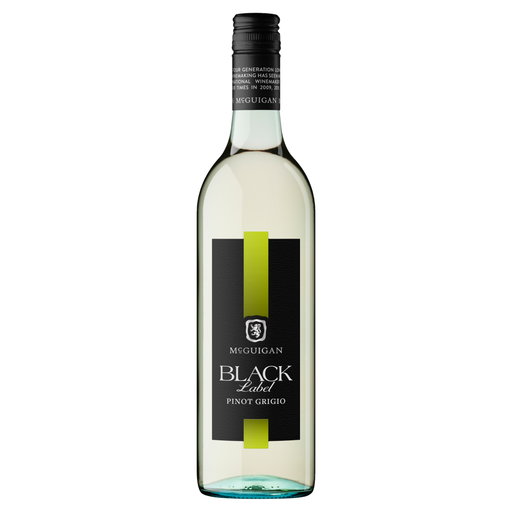
Why This Fits Their Persona: A familiar 75cl format for informal meals, lunch occasions and everyday sharing.
The listing identifies the grape, 12.5% ABV, 75cl quantity and sulphites, making the buying decision clearer than relying on vague marketing language.
Pinot Grigio grape; standard 75cl bottle; made in Australia; storage instructions provided.
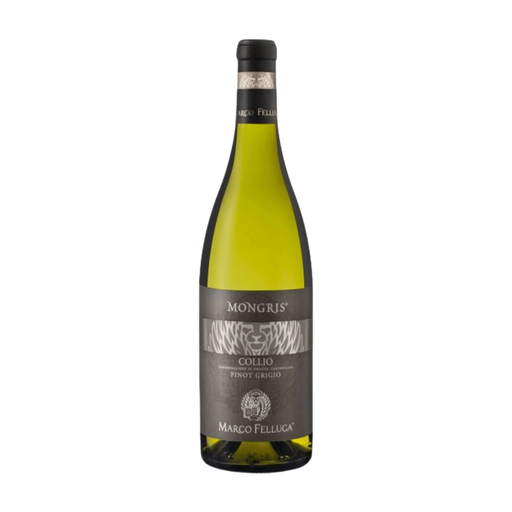
Why This Fits Their Persona: A more region-specific Italian white wine for dinner parties, gifting or slower-paced meals.
The product information specifies 100% Pinot Grigio, Collio DOC origin, 13% ABV and vegan and vegetarian suitability.
Italian Collio DOC region; dry style; vegan and vegetarian suitable; 75cl format.
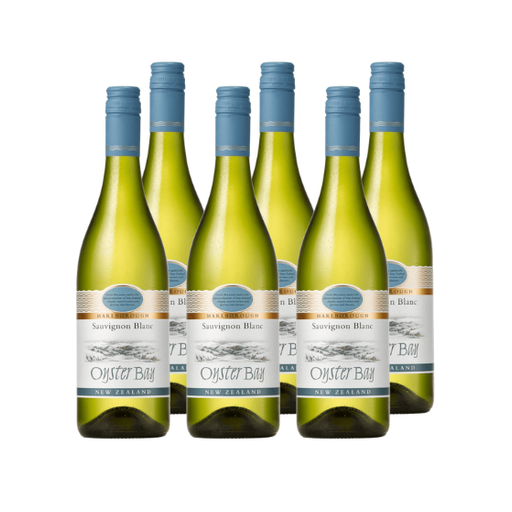
Why This Fits Their Persona: A six-bottle case for hosts, regular dinner planning or larger gatherings where one bottle may not be enough.
The case quantity, 12.5% ABV, per-bottle units and Marlborough origin are stated, helping shoppers assess volume and cost more realistically.
Six 75cl bottles; New Zealand Sauvignon Blanc; designed to be served chilled; sulphites declared.
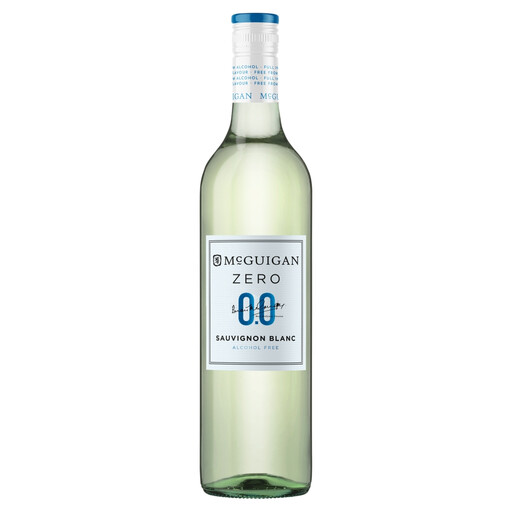
Why This Fits Their Persona: A 0.0% ABV option for drivers, alcohol-free occasions and guests who prefer a Sauvignon Blanc-style drink without alcohol.
The listing clearly states 0.0% ABV and provides sugar and calorie information, rather than presenting it simply as a lower-alcohol substitute.
0.0% ABV; 750ml bottle; Sauvignon Blanc style; refrigerate after opening and consume within three days for best quality.
We have compiled a complete, real-time list of products that fully satisfy these strict selection criteria and UK safety regulations.
Keep unopened bottles in a cool, dark place away from radiators, sunlight and sudden temperature changes. Most everyday white wine is intended to be enjoyed relatively young rather than stored for many years. After opening, reseal the bottle and refrigerate it, following the product’s own guidance.
Aromatic or slightly sweet styles can work well with spicy dishes because their fruit character can complement heat. Alsace Gewürztraminer is described as medium-sweet and matched with Indian, Thai and Chinese cuisine. Sauvignon Blanc can also suit fresh Asian flavours, particularly when served chilled.
Check the stated ABV on the product page. McGuigan Zero Sauvignon Blanc is listed at 0.0% ABV, while reduced-alcohol wines may still contain a small amount. Also check sugar, calorie and sulphite information, as removing alcohol does not mean the product has no carbohydrates or allergens.