
24/7 Customer Support

Free returns

Same-day & Next-day Delivery

Quality Guaranteed

Unlock Your Welcome Offers: FREE Delivery | Up to 80% OFF | Free 30-day JoyPlus trial
Download the APP
Buying white wine online should be straightforward, but product descriptions can make simple choices feel complicated. A familiar grape name does not always tell you how a bottle will taste, while attractive case discounts may encourage you to buy more than you need.
The most common pitfalls are:
The grape is a useful starting point, but not a complete description. Consider these common styles:
For a crisp fruity white wine, look for descriptors such as citrus, grapefruit, green apple, passionfruit or fresh herbs. Terms such as “dry” generally indicate limited sweetness, although acidity can make a wine taste fresher even when some residual sugar is present.
Most standard bottles contain 75cl, while smaller formats such as 187ml are useful for one-person servings or reducing opened-wine waste. A bottle at 13.5% ABV contains roughly 10.1 UK units, while an 8% bottle contains about 6 units.
The exact figure should be checked on the product page or packaging. UK Chief Medical Officers advise that adults should not regularly exceed 14 units per week. Alcohol-free white wine may be appropriate when you want a wine-style drink without alcohol, but check the stated ABV and nutritional information because alcohol-free products can contain grape juice or added sugar.
Origin can help set expectations:
For dietary requirements, look for a clear vegan or vegetarian statement. Some listings confirm suitability, while others advise contacting the producer. Sulphites must also be declared where present and may concern sensitive individuals.
Before opening, store bottles in a cool, dark place away from temperature changes. Once opened, reseal and refrigerate. Fresh Sauvignon Blanc and lighter Pinot Grigio are generally intended to be enjoyed while young, rather than stored for long periods.
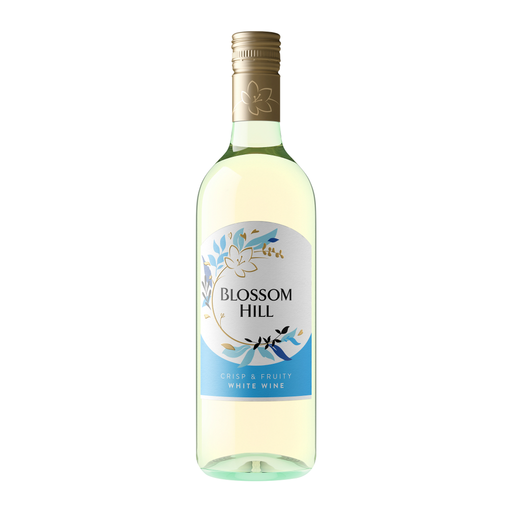
Why This Fits Their Persona: An accessible everyday option for UK households, casual meals and relaxed refreshment, with an 8.0% ABV and standard 750ml format.
The listing provides ABV, units, ingredients and allergen information, helping shoppers compare it rather than choosing by vague marketing language alone.
750ml bottle; 8.0% ABV; made with Sauvignon Blanc and Chardonnay grapes.
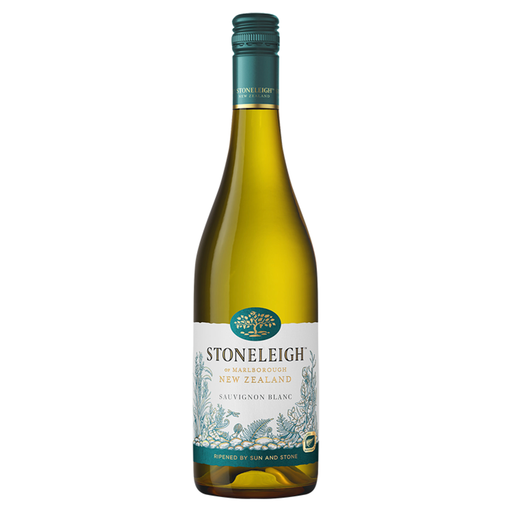
Why This Fits Their Persona: A Marlborough Sauvignon Blanc for shoppers who prioritise a clearly defined regional style for seafood, salads or entertaining.
The product information identifies Marlborough, serving guidance, ABV and bottle units, so buyers can assess style and strength together.
13.5% ABV; 10.1 units per bottle; listed notes include passionfruit, grapefruit and citrus.
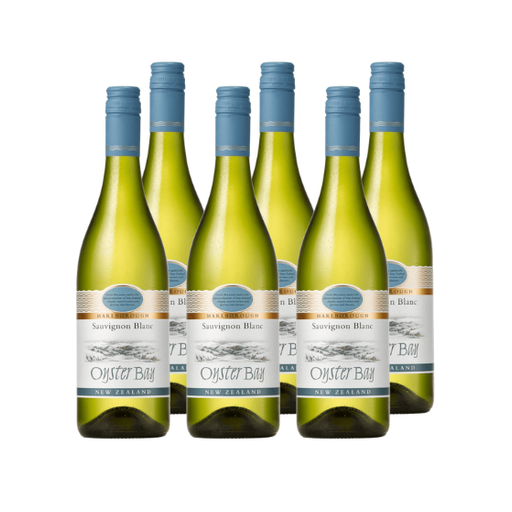
Why This Fits Their Persona: A six-bottle case for planned entertaining, regular hosting or households that already know they enjoy Marlborough Sauvignon Blanc.
The case quantity and per-bottle units are stated clearly, making it easier to calculate storage needs, total alcohol and value before purchase.
Six 75cl bottles; Marlborough origin; 12.5% ABV and 9.375 UK units per bottle.
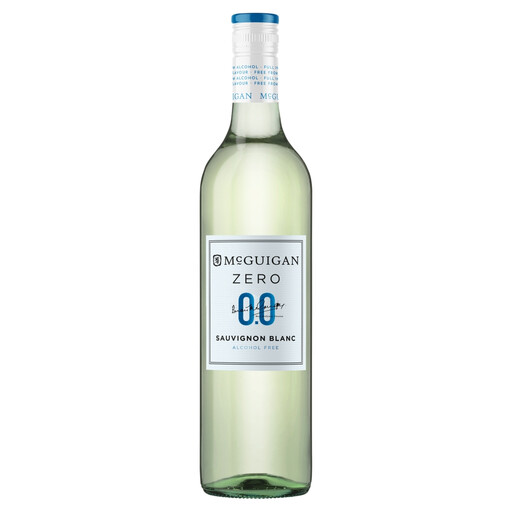
Why This Fits Their Persona: A practical alcohol-free white wine option for designated drivers, weekday occasions or guests who prefer to avoid alcohol.
The listing states 0.0% ABV, ingredients, energy and sugar values, avoiding the assumption that every alcohol-free drink has the same nutritional profile.
0.0% ABV; 19 kcal per 100ml; 750ml bottle with Sauvignon Blanc-style citrus and tropical flavour descriptions.
We have compiled a complete, real-time list of products that fully satisfy these strict selection criteria and UK safety regulations.
A light, fruit-forward Sauvignon Blanc or Pinot Grigio is often a straightforward starting point. Check the description for dry, crisp or refreshing wording, and choose a smaller bottle if you are unsure about the style.
Most opened white wine is best kept sealed in the refrigerator and consumed within a few days. Follow the product’s storage guidance, as freshness declines once the bottle has been opened.
Check the stated ABV on the label. A product marked 0.0% ABV, such as McGuigan Zero Sauvignon Blanc in the supplied listing, is presented as alcohol-free. Always review the packaging if you need to avoid alcohol completely.