
24/7 Customer Support

Free returns

Same-day & Next-day Delivery

Quality Guaranteed

Unlock Your Welcome Offers: FREE Delivery | Up to 80% OFF | Free 30-day JoyPlus trial
Download the APP
Choosing white wine online can seem straightforward until you compare grape varieties, countries, sweetness levels and dietary labels. A bottle described as “premium” may simply have more attractive packaging, while a familiar grape variety can taste very different depending on its region and winemaking style.
For UK shoppers, the most useful approach is to focus on the information that affects how the wine will taste and when you are likely to serve it.
Pinot Grigio, Chardonnay and Viognier are not fixed flavour profiles. Climate, region and production methods make a noticeable difference. A cool-climate Pinot Grigio may be light and citrus-led, while one from a warmer area can taste rounder and fruitier.
Similarly, Chardonnay may be crisp and unoaked or richer and creamier where oak ageing or lees contact is used.
A wine can smell of peach, mango or tropical fruit while still being dry. If you prefer noticeable sweetness, look for wording such as medium sweet or check the product description for residual sugar information. Gewürztraminer is often aromatic and slightly sweet, whereas Picpoul de Pinet and Gavi are generally associated with fresh, dry styles.
Most wines contain sulphites, which must be declared on the label when present above the relevant regulatory threshold. Vegetarian and vegan suitability can differ because some wines use animal-derived fining agents. Look for a specific vegan statement rather than assuming that every white wine made from grapes is suitable.
Use the grape as a starting point:
A standard 75cl white wine bottle contains approximately six 125ml glasses, although serving sizes vary. A 13% ABV bottle contains roughly 9.75 UK units, while a 0.0% alcohol-free wine contains no alcohol by volume as stated on its product information.
Check the bottle label for the exact ABV, units and serving guidance. UK adults are advised not to regularly exceed 14 units per week, and alcohol should be avoided during pregnancy. All alcoholic products are restricted to customers aged 18 and over.
Acidity is particularly useful with seafood, salads and fried foods because it provides freshness. Richer Chardonnay or Viognier styles can work with creamy pasta, poultry and soft cheeses. For white wine for seafood, consider Picpoul de Pinet, Gavi or a crisp Pinot Grigio.
Most fresh white wines are best served chilled, commonly around 8–10°C. Fuller-bodied Chardonnay and Viognier can show more flavour when served slightly warmer, around 9–12°C. Once opened, re-cork the bottle, refrigerate it and usually drink it within a few days for the freshest character.
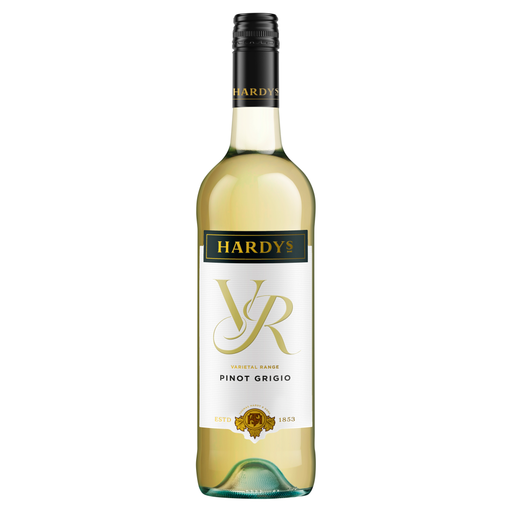
Why This Fits Their Persona: A straightforward option for weekday meals, casual hosting and shoppers who want a familiar, approachable style without overcomplicating the choice.
The product information identifies a clear 11% ABV and 750ml format, helping you compare it with other everyday bottles rather than relying on vague “easy-drinking” wording.
Grapefruit, pineapple and citrus notes; suitable for vegetarians; works with pasta, grilled dishes and sharing plates.
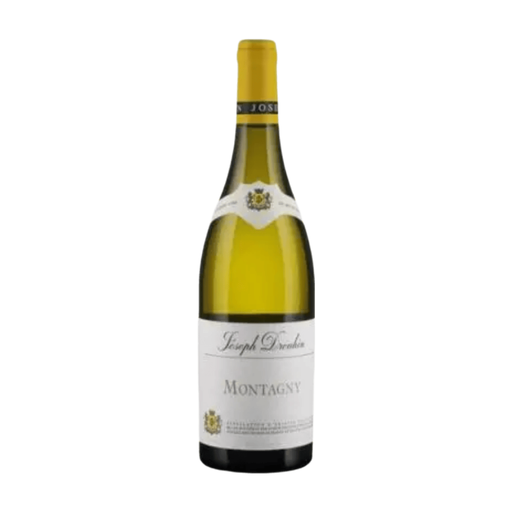
Why This Fits Their Persona: A considered French Chardonnay choice for dinner parties, gifting or meals where texture and regional character matter.
The listing identifies the grape, Montagny appellation and oak ageing, giving useful context beyond premium-looking presentation.
Chardonnay with lemon, pear and almond notes; suitable for roasted chicken, shellfish and creamy pasta.
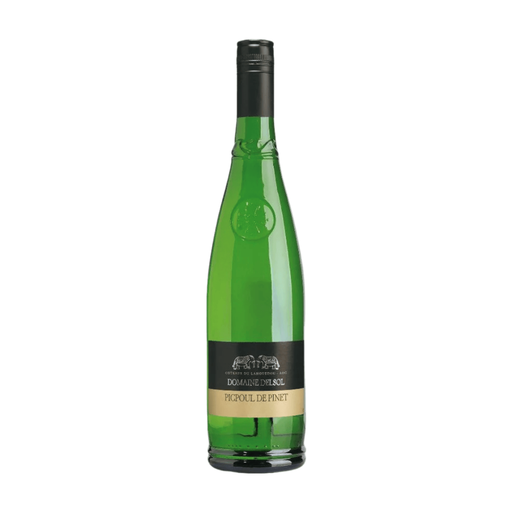
Why This Fits Their Persona: Its crisp French profile suits seafood lunches, shellfish suppers and plant-based meals with fresh, acidic ingredients.
The listing clearly states 100% Piquepoul Blanc, 12.5% ABV and vegan suitability, reducing uncertainty around variety and dietary requirements.
Lemon, green apple and saline mineral notes; suitable for vegans; designed to be served well chilled.
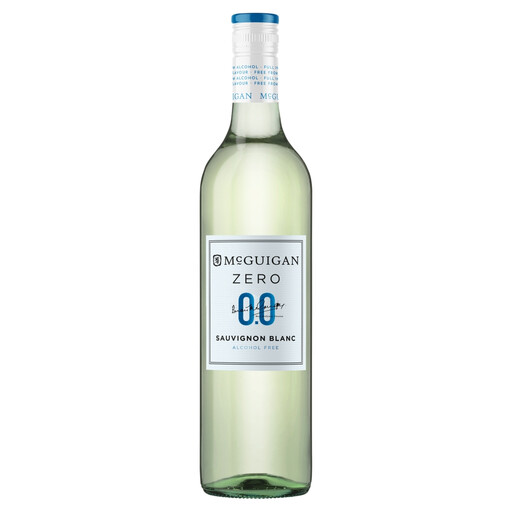
Why This Fits Their Persona: A practical option for designated drivers, alcohol-free occasions and shoppers looking for a wine-style drink at gatherings.
The product information specifies 0.0% ABV and lists its ingredients, calories and sulphite information rather than using only “alcohol-free” lifestyle language.
Lime, grapefruit and passionfruit notes; 19 kcal per 100ml; suitable for serving with seafood, salads and Asian cuisine.
We have compiled a complete, real-time list of products that fully satisfy these strict selection criteria and UK safety regulations.
Most opened white wine is at its freshest for around two to three days when re-corked and refrigerated. Sparkling styles can lose their fizz sooner. Check the packaging for product-specific storage guidance.
For oysters, prawns and grilled fish, choose a fresh, high-acidity style such as Picpoul de Pinet, Gavi or a lighter Pinot Grigio. Creamier seafood dishes can handle a textured Chardonnay.
No. Vegan wine can still contain sulphites. Vegan suitability refers to the winemaking and fining process, while sulphite information concerns a separate ingredient and allergen declaration. Always check both details on the product page and bottle label before purchasing.