
24/7 Customer Support

Free returns

Same-day & Next-day Delivery

Quality Guaranteed

Unlock Your Welcome Offers: FREE Delivery | Up to 80% OFF | Free 30-day JoyPlus trial
Download the APP
Choosing White Zinfandel wine should be straightforward, but labels and marketing descriptions can make similar-looking bottles seem very different. Some are light, sweet rosé wines designed for casual sipping, while others are red Zinfandel wines with a fuller body, stronger tannins and higher alcohol content.
The main buying mistakes are usually easy to avoid: confusing White Zinfandel with red Zinfandel, judging value by bottle size alone and overlooking alcohol, sugar or storage information. This guide explains what to check before buying, then matches several options to different UK shopping needs.
White Zinfandel rosé is usually pale pink, fruity and sweet or off-dry, with flavours such as strawberry, raspberry and peach. Red Zinfandel is made in a deeper, fuller style, often with blackberry, plum, spice and oak notes.
If you want an approachable fruity rosé wine for a sunny afternoon, light meal or casual gathering, look for White Zinfandel specifically. For barbecued meats, rich pasta or mature cheese, a red Zinfandel wine may be more suitable.
A standard 75cl wine bottle contains around five 150ml glasses, depending on how generously you pour. A 187ml bottle is more suitable for one person or a small occasion, while a 1.5L White Zinfandel format is more practical for sharing.
Case deals can reduce the cost per bottle, but only if you expect to use the quantity. Check the number of bottles, bottle volume and delivery cost rather than relying on the headline price.
Fruit flavour does not always mean a wine contains much residual sugar. Some bottles taste crisp and lightly sweet, while others are noticeably sweeter and softer. Product descriptions can use broad terms such as “smooth” or “easy-drinking”, so check the listed carbohydrate or sugar information where available and consider the stated serving guidance.
For a sweeter, lower-tannin drink, choose White Zinfandel or California White Zinfandel. These wines are commonly served chilled and work well as an aperitif or with lighter dishes.
Red Zinfandel generally offers more structure. Product details may mention blackberry, plum, dark cherry, pepper, vanilla or oak. These clues indicate a richer wine that can stand up to grilled meat, pizza and hearty food.
The ABV percentage helps you compare strength. Available White Zinfandel options include bottles around 8% ABV, while some red Zinfandel wines are listed at approximately 13% to 13.5%.
UK alcohol units are calculated as:
Bottle volume in millilitres × ABV ÷ 1,000 = units
For example, a 75cl bottle at 8% ABV contains approximately 6 units. A 75cl bottle at 13.5% contains approximately 10.1 units. Always check the product label, as ABV and units can vary by product or vintage.
All alcoholic drinks are restricted to customers aged 18 and over. Do not drink during pregnancy, and never drink and drive.
Wine commonly contains sulphites, which must be declared as an allergen where present. Check the product listing if you need vegetarian or vegan suitability.
Most White Zinfandel is intended for relatively early drinking rather than long-term ageing. Store unopened bottles in a cool place away from direct sunlight. Once opened, reseal and refrigerate; many lighter rosé wines are best consumed within a few days. A larger format with a longer stated post-opening period can be useful for gradual sharing, but always follow the label instructions.
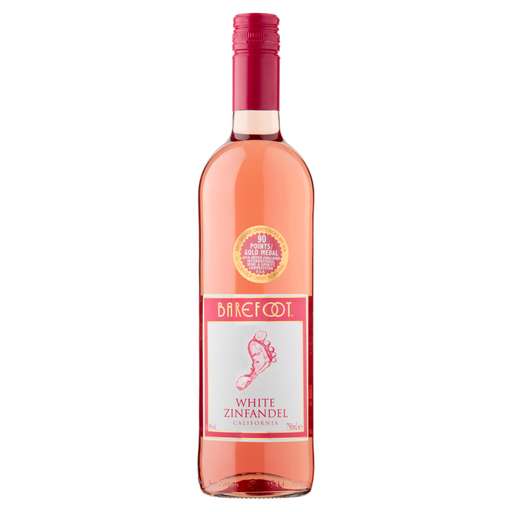
Why This Fits Their Persona: A familiar 75cl format for shoppers trying White Zinfandel at home, with an 8% ABV listed for the bottle.
The clear bottle size and stated ABV make it easier to compare with other everyday rosé options.
Standard 75cl format; suitable for serving chilled with light meals or snacks.
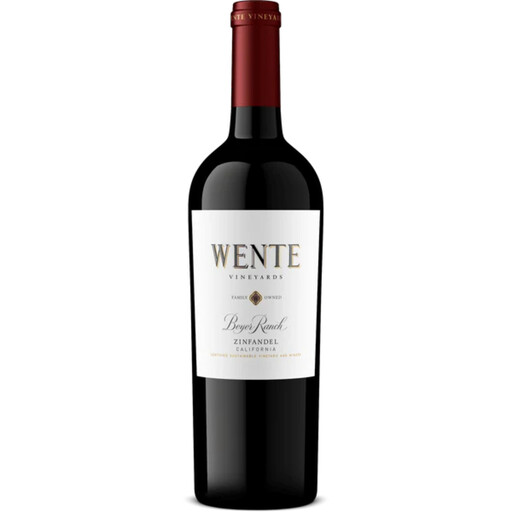
Why This Fits Their Persona: A fuller red Zinfandel for drinkers looking beyond sweet rosé and seeking dark-fruit and oak-led character.
The listing identifies the grape blend, barrel ageing, California origin and approximately 13% ABV, providing useful detail beyond generic tasting language.
Dark berry, plum, pepper and oak notes; suitable for barbecue, lamb, curry or aged cheese.
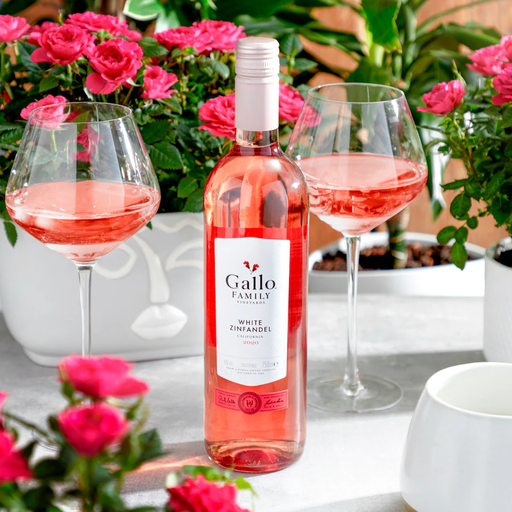
Why This Fits Their Persona: A chilled, 8% ABV California rosé option for dinners, celebrations, gifting and informal sharing.
The product information states the serving suggestion, ABV and sulphite allergen, helping shoppers check practical requirements before purchase.
Light style; pairs with pasta, grilled food, cheese and sharing plates.
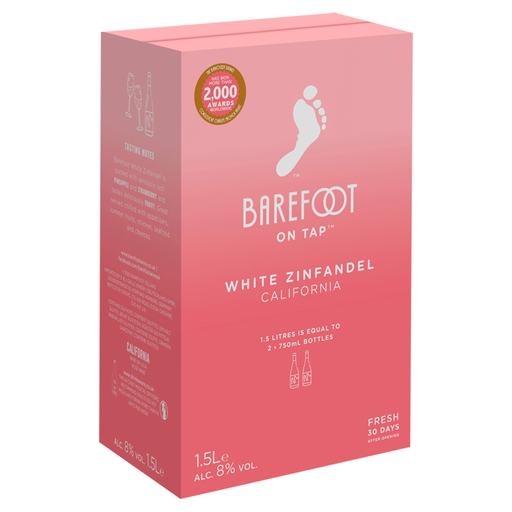
Why This Fits Their Persona: A larger format for hosts, shared meals and customers who want fewer bottles during a gathering.
The listing clearly states the 1.5L volume, 13% ABV and 9.8 UK units per container, so capacity does not disguise alcohol strength.
1.5L sharing format; listed 30-day refrigerated consumption window after opening.
We have compiled a complete, real-time list of products that fully satisfy these strict selection criteria and UK safety regulations.
Serve White Zinfandel chilled, usually as an aperitif or alongside light dishes. Try it with:
Serve red Zinfandel slightly cooler than room temperature if preferred. Its darker fruit and spice notes suit barbecue ribs, burgers, pepperoni pizza, rich tomato pasta and aged cheddar.
Often, yes. White Zinfandel is commonly made in a sweet or off-dry style with noticeable berry fruit. However, sweetness varies, so check the product description and nutritional information rather than assuming every bottle has the same profile.
Refrigerate the resealed bottle and follow the label guidance. Many 75cl rosé wines are best consumed within a few days, while some larger formats state a longer period after opening. If the aroma, colour or flavour seems noticeably changed, it may no longer be enjoyable.
It can be useful for parties, regular entertaining or gifting, but compare the total number of 75cl bottles, price per bottle, ABV and storage space. A case is only economical if you are likely to use it before the wine loses its fresh character.