
24/7 Customer Support

Free returns

Same-day & Next-day Delivery

Quality Guaranteed

Unlock Your Welcome Offers: FREE Delivery | Up to 80% OFF | Free 30-day JoyPlus trial
Download the APP
A whiteboard can simplify meeting notes, lesson planning, revision and family organisation—but choosing the wrong one often leads to wasted money. As the Joybuy Product Recommendation Officer, I focus on practical specifications rather than marketing language, so you can select a board that suits your available space, writing habits and budget.
A large board may appear useful, but it also requires suitable wall space, secure fixings and enough clearance for writing. A 1200 × 1800mm office whiteboard needs careful planning before installation, particularly on plasterboard walls. Smaller boards, such as a 24 × 18-inch dry erase whiteboard, may be more practical for a home office, bedroom or compact study area.
Only use pens labelled for dry-erase surfaces. Permanent markers can stain the coating and may not be removable. It is also easy to overlook the importance of marker storage: caps should be replaced firmly, while some marker ranges recommend horizontal storage to help maintain ink flow.
A worn or dusty whiteboard eraser can spread ink rather than remove it, creating streaks and ghosting. Abrasive pads and unsuitable solvents may damage the writing surface. A compatible whiteboard eraser, occasional gentle cleaning and prompt removal of old writing can help maintain a clearer board.
Match the dimensions to the way the board will be used:
Also check whether the board can be mounted horizontally or vertically and whether the wall can support the fixing system.
A magnetic whiteboard can hold printed schedules, notes and visual prompts, but a product must specifically state that the surface is magnetic. A silver aluminium frame can provide a defined edge and a practical appearance for a study or office.
For large boards, installation is a safety consideration rather than a minor convenience. Use fixings appropriate for the wall type—such as plasterboard, brick or concrete—and follow the supplied instructions. Two-person installation may be sensible for larger formats.
Look for clear information about the writing surface, included accessories and maintenance requirements. Use low-odour or water-based whiteboard markers where specified, but still follow the individual product guidance. Keep marker caps and magnetic buttons away from young children, as small parts can present a choking risk.
For children’s products, check the recommended age and stated safety information. The featured AIYAPLAY easel is marked for children aged 3–6 years and lists EN71-1-2-3 and EN717-1 certification information.
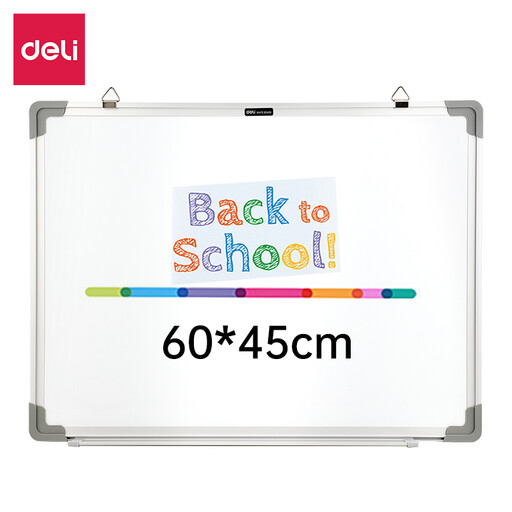
Why This Fits Their Persona: The 24 × 18-inch format provides a manageable starting point for simple office planning, revision notes, shopping lists or home organisation.
Its stated dimensions make the available writing area clear, helping buyers avoid paying for a large board that may not suit a smaller room.
Compact 24 × 18-inch design; suitable for dry-erase planning and everyday note-making.
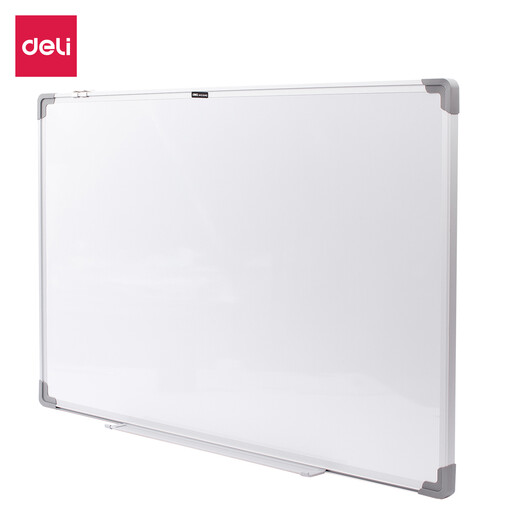
Why This Fits Their Persona: This large-format board is suited to users who want substantial space for weekly planning, study layouts, brainstorming or household schedules.
The magnetic function is stated directly, reducing the risk of buying a board that cannot hold notes or documents with magnets.
1200 × 1800mm size; silver frame; magnetic writing surface for planning and document display.
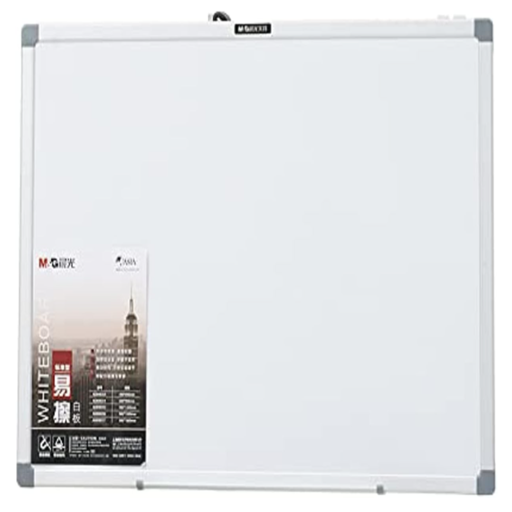
Why This Fits Their Persona: The 1200 × 1800mm format is appropriate for lecture rooms, boardrooms and collaborative work where several people need to see the board.
The listing identifies wall-mounted use and includes an eraser, two markers and four magnetic buttons, so essential accessories are not overlooked.
Large magnetic steel surface; wall-mounting system; accessory bundle for immediate setup.
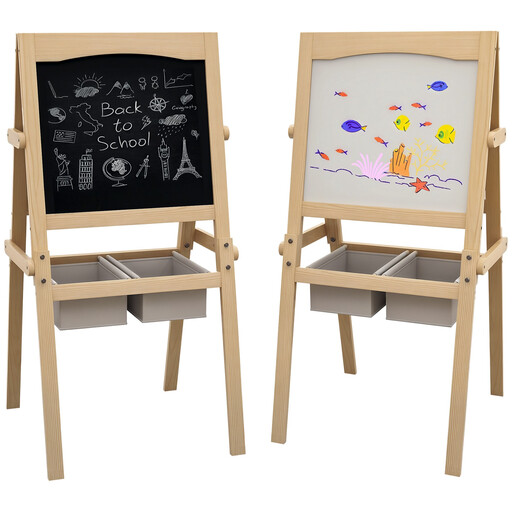
Why This Fits Their Persona: Families seeking a children’s creative station can switch between a whiteboard, blackboard and paper roll for drawing, handwriting practice and craft activities.
The product states its recommended age of 3–6 years, dimensions and required assembly, allowing parents to check suitability before purchase.
3-in-1 activity design; two storage baskets; A-frame construction; paper roll measuring 35 × 500cm.
A board is easier to use when its accessories match the surface and routine:
We have compiled a complete, real-time list of products that fully satisfy these strict selection criteria and UK safety regulations.
Check the board’s dimensions and weight, then select anchors suitable for your wall construction. Brick, concrete and plasterboard require different fixing methods. Large boards should be positioned and secured by two people where appropriate. Do not rely on unsuitable adhesive strips for a heavy board unless the manufacturer specifically permits them.
Lifespan depends on surface quality, marker choice, cleaning frequency and storage. Using permanent pens, abrasive cleaners or leaving ink on the board for extended periods can contribute to staining or ghosting. Regular dry erasing and occasional cleaning with a suitable whiteboard cleaner can help preserve the surface.
A conventional whiteboard has no electricity cost. Ongoing expenses usually come from replacement markers, erasers, paper rolls for children’s easels and occasional cleaning products. Comparing included accessories and buying compatible refills can help control the total cost over time.