Hosts with mixed taste preferences
If you do not know whether every player enjoys bitter dark chocolate, putting out both white and dark options lets guests choose rather than relying on one flavour.


Choose high-cocoa dark chocolate if the players enjoy an intense cocoa flavour; choose white chocolate if a sweeter, creamier option is more likely to appeal. When preferences are unknown, offering both gives players a choice, provided you check each pack against guests’ allergies before serving.
If you do not know whether every player enjoys bitter dark chocolate, putting out both white and dark options lets guests choose rather than relying on one flavour.
Bars labelled 70% or 72% minimum cocoa solids provide a starting point when a pronounced cocoa flavour is the aim. Check the individual bar’s allergen statements as well as its cocoa percentage.
Ask guests about their requirements before choosing chocolate. Ingredients and precautionary statements differ between products, including dark bars that might otherwise look similar.
Settle the flavour choice first, then compare the pack format and read the labels of the products you intend to serve.
| Priority | What to check | Your needs |
|---|---|---|
| Flavour | Compare a stated cocoa-solids percentage on dark bars with the flavour preferences of the group. M&S describes dark chocolate at 70% to 100% cocoa as intense and bitter; white chocolate offers a different, sweeter-tasting option. | I would choose high-cocoa dark chocolate for players who enjoy its pronounced flavour. If tastes are mixed or unknown, I would offer a white option too. |
| Product type | Check whether the white option is a plain chocolate bar or a coated confection, and whether the dark bar states a cocoa-solids percentage. A product labelled simply 'dark' need not state the percentage you are looking for. | A plain white bar matters if I want to serve two styles of chocolate; a coated wafer is a different kind of snack. |
| Nutrition figures | Compare like-for-like values per 100g rather than assuming a cocoa percentage tells you the sugar content. Lindt lists 29g sugars per 100g for Excellence Dark 70%; M&S lists 27g per 100g for Swiss Extra Fine Dark 72%. Those figures do not establish a comparison with white chocolate. | If I am comparing particular dark bars, I want the figures on their labels, not a judgement based on colour or cocoa percentage alone. |
| Serving format | Check the bar or pack size and whether portions are individually wrapped. Decide how you will put snacks out while players are occupied with the game. | For a longer game, I want players to be able to take a portion without repeatedly passing around an open bar. |
| Allergens | Read the ingredients, emphasised allergens and any precautionary or suitability statements on each current pack. Lindt says its Excellence Dark 70% is not suitable for people with a milk allergy, despite being made to a vegan recipe. | If a guest has an allergy, I need to check the exact products I will serve; 'dark' or 'vegan recipe' is not enough to establish suitability. |
Cadbury calls Bournville Classic a dark chocolate bar, while the Lindt Excellence and M&S Swiss Extra Fine examples explicitly state minimum cocoa solids of 70% and 72% respectively. The word 'dark' alone does not make those bars directly comparable.
If a particular cocoa level matters to your group, check that the current pack states it.
M&S describes dark chocolate at 70% to 100% cocoa as intense and bitter. That flavour may not appeal to every player.
Offer a white option alongside high-cocoa dark chocolate when you do not know the group’s preferences.
Lindt says Excellence Dark 70% is made to a vegan recipe but is not suitable for people with a milk allergy. M&S also identifies its Swiss Extra Fine Dark bar as unsuitable for people with a milk allergy.
Ask about allergies in advance, then check the ingredients and precautionary or suitability statements on every pack.
M&S notes that ingredients and allergen information can change when food products are redeveloped. The pack you serve needs its own check.
Use listings to make a shortlist, then read the physical label before the game.
These examples illustrate different chocolate styles and label checks; a brand name alone does not establish the contents of a particular bar.
Excellence Dark 70% Cocoa is a named high-cocoa dark option.
Swiss Extra Fine Dark Chocolate is a 125g bar stating 72% minimum cocoa solids.
Bournville Classic is a 100g dark chocolate bar described by Cadbury as vegetarian friendly.
Waitrose lists a 90g Organic 30% White Chocolate Bar as well as Organic 70% and 85% Dark Chocolate bars from this brand.
Galaxy’s named 100g bar is milk chocolate, rather than a white or high-cocoa dark example for this decision.
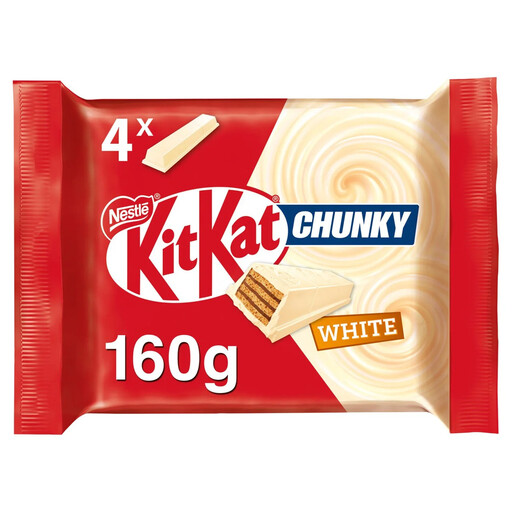
These options include four high-cocoa dark chocolate bars and one white-chocolate-coated wafer multipack. The KitKat is a portioned white-style snack, not a plain white chocolate bar.
 No image available
A dark bar to consider when players want a pronounced cocoa flavour. The name identifies an 85% cocoa Ecuador variant in a 100g bar; offer another style if guests prefer sweeter chocolate. Check the current pack against any allergy requirements.
 No image available
A 72% cocoa dark option for players seeking a cocoa-forward bar. This is the 100g Dominican Republic variant, rather than the Morrisons 85% Ecuador bar. Check the current pack for its ingredients and allergen statements before sharing.
 No image available
This 90g, 85% dark bar suits a group that actively wants an intense cocoa flavour; its product description calls the flavour bitter. It may not appeal to players expecting a sweeter snack. Check the current pack’s allergen statements before serving.
 No image available
A 90g high-cocoa dark bar for guests who want a stated 70% option. It does not provide the white-chocolate choice for players who prefer that flavour. Check the current pack for allergen information.
 No image available
The four-bar pack offers a white-style snack that can be handed out in portions during a game. It is a wafer confection with a white-chocolate coating, not a plain white chocolate bar. Its listing identifies milk and wheat; check the current pack against guests’ allergy requirements.
No. Cocoa percentage helps identify the bar’s composition, but it does not tell you whether every player will like the flavour. M&S describes dark chocolate at 70% to 100% cocoa as intense and bitter, so include another style when preferences are unknown.
No. Lindt says its Excellence Dark 70% is made to a vegan recipe but is not suitable for people with a milk allergy; M&S gives the same milk-allergy exclusion for its Swiss Extra Fine Dark bar. Ask the guest about their requirements and check the exact pack before serving.
Check the pack’s ingredients list and any precautionary or suitability statements. The Food Standards Agency says prepacked food must have an ingredients list and that allergens present must be emphasised within it; the relevant warnings still depend on the particular product.
Use an online listing to shortlist products, then read the physical pack before serving. M&S warns that ingredients and allergen information can change when products are redeveloped.