Dark-chocolate snackers
If you like a cocoa-led flavour, decide whether a 70–72% bar gives you enough intensity or whether you would enjoy an 85% bar.


Choose white chocolate if you want a sweet, creamy flavour; consider a 70–72% dark bar if you prefer a more pronounced cocoa taste, or an 85% bar if you already enjoy that intensity. For a midnight snack, cocoa percentage alone does not settle the choice: compare the exact bar’s nutrition panel, ingredients and allergen statement, as well as the portion you plan to eat.
If you like a cocoa-led flavour, decide whether a 70–72% bar gives you enough intensity or whether you would enjoy an 85% bar.
If sweetness and a creamy, milky flavour matter more to you, white chocolate is a distinct choice rather than a lower percentage on the dark-chocolate scale.
If you need to avoid an allergen, check the current pack. A dark bar or a recipe described as vegan can still carry relevant milk, nut or other allergen cautions.
Start with the flavour you want, then compare labels on the particular bars and pack sizes you are considering.
Choose it when: You want a sweet, creamy snack rather than a pronounced cocoa flavour.
Bear in mind: The reviewed M&S white bar lists sugar, cocoa butter and dried milk; it is not a high-cocoa dark bar.
Choose it when: You want a cocoa-led bar without going straight to an 85% example.
Bear in mind: Check the individual bar’s nutrition and allergen information; cocoa percentage does not answer either question on its own.
Choose it when: You already enjoy a more intense, less sweet cocoa flavour.
Bear in mind: A lower sugar figure does not mean you can skip the saturated-fat figure or the allergen statement.
| Priority | What to check | Your needs |
|---|---|---|
| Flavour | Read the chocolate type and ingredients. Compare declared cocoa-solids percentages between dark bars, rather than treating white chocolate as another point on that scale. | For a late snack, I would rather choose a flavour I enjoy than pick 85% simply because the number is higher. |
| Nutrition | Compare sugars, saturated fat and energy per 100g on the exact bars, then check the serving information. Marks & Spencer lists 15.9g sugars per 100g for its reviewed 85% bar, 27.0g for its 72% bar and 54.8g for its white bar. | If I am comparing sugar figures, I also want to see saturated fat and consider how much of the bar I intend to eat. |
| Allergens | Read the current ingredients and allergen statement, including any ‘may contain’ wording. Do not use ‘dark’ or ‘vegan recipe’ as a substitute for that check. | When an allergen matters to me, the statement on this particular pack determines whether it is suitable. |
A higher cocoa percentage does not tell you the bar’s full nutrition profile. The reviewed M&S 85% bar, for example, lists 30.5g saturated fat per 100g as well as 15.9g sugars per 100g, according to Marks & Spencer.
Compare the nutrition panels per 100g and look at the amount you expect to eat.
An 85% dark bar is a different flavour choice from creamy white chocolate. A sugar figure alone cannot tell you which you will enjoy.
If you want cocoa flavour but are unsure about the more intense option, consider a 70–72% dark bar alongside the 85% one.
Lindt describes its reviewed 70% bar as made to a vegan recipe, while its product information also says it may contain milk, nuts, soya and sesame. Recipe positioning does not replace allergen information.
Check the current pack’s ingredients and precautionary statements for the allergens relevant to you.
Department for Education school-food guidance concerns food provided in state-funded schools in England, not an ordinary household chocolate purchase. Its September 2027 school-food standards specify that chocolate is not a permitted snack in the stated school setting.
For a home purchase, choose using the product’s flavour, nutrition and allergen information; consider school-food requirements when buying for the relevant school setting.
Lindt EXCELLENCE Dark 70% is a 100g dark bar whose UK product information declares at least 70% cocoa solids.
Marks & Spencer’s reviewed bars include white chocolate and dark bars labelled with at least 72% or 85% cocoa solids.
Cadbury describes Darkmilk as combining a rich cocoa flavour with creaminess, for shoppers considering a dark-style flavour rather than a declared high-cocoa bar.
Waitrose & Partners lists Lindt EXCELLENCE Dark 70%, with product-level ingredients, nutrition and allergy information.
These bars cover both sides of the midnight-snack choice: white chocolate, 70–72% dark chocolate and 85% dark chocolate. Choose by the flavour you want, then check the exact pack’s nutrition and allergen details.
 No image available
An option if you prefer an 85% cocoa dark bar for a late snack. Compare its nutrition panel with other bars, and check the current pack for allergens.
 No image available
A 72% cocoa option if you want a dark bar without choosing an 85% one. Read its nutrition panel and current allergen statement before deciding.
 No image available
Another 85% cocoa choice for someone seeking a cocoa-led flavour. If allergens matter, check the current pack to distinguish ingredients from any ‘may contain’ statements.
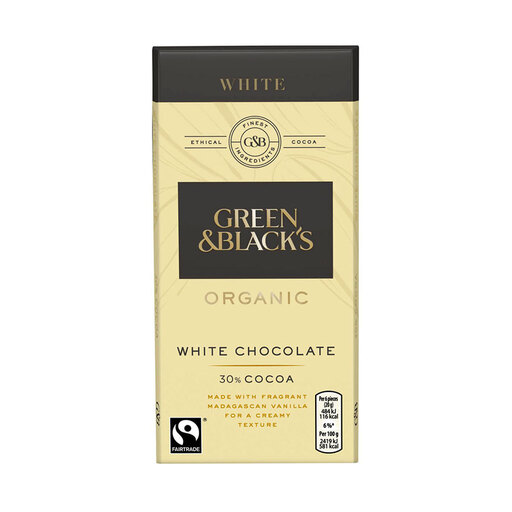 No image available
A white-chocolate option if you prefer a sweet, creamy flavour to a dark bar. Compare its nutrition label with the dark bars and check the pack’s allergen statement.
 No image available
A 70% dark bar to consider if you want cocoa flavour without choosing an 85% bar. Check the nutrition panel and current pack for allergen cautions.
No. The reviewed M&S white bar lists sugar, cocoa butter and dried milk, while the reviewed dark bars declare minimum cocoa-solids percentages of 70%, 72% or 85%. Choose between them as different flavour options, not as steps on one dark-chocolate scale.
No. Marks & Spencer lists 15.9g sugars and 30.5g saturated fat per 100g for its reviewed 85% bar. Compare sugars, saturated fat, energy and the amount you plan to eat on the exact bars, rather than relying on cocoa percentage alone.
Not necessarily. Lindt describes its reviewed 70% bar as made to a vegan recipe but says it may contain milk and nuts, among other allergens. Read the current pack’s ingredients and allergen statement for the bar you intend to buy.
No. Department for Education school-food guidance applies to food provided in state-funded schools in England, not ordinary household purchases. Its September 2027 school-food standards say chocolate is not a permitted snack in the specified school setting; that is not a general prohibition on buying chocolate for home.