Parents planning a regular after-school snack
If chocolate is becoming the default, decide what the usual snack will be and when a chocolate treat fits alongside it. NHS children’s snack guidance puts fruit and vegetables first.


For a routine after-school snack, consider fruit or vegetables first, as NHS children’s snack guidance recommends, and keep chocolate as an occasional treat. If choosing chocolate, a high-cocoa dark bar suits a child who likes its less-sweet flavour: Lindt’s listed 70% dark bar has less sugar per 100g than its LINDOR White bar, but the exact serving, saturated fat and allergens still matter. Choose white chocolate when its flavour is the reason for the treat, rather than assuming either type is the better everyday snack.
If chocolate is becoming the default, decide what the usual snack will be and when a chocolate treat fits alongside it. NHS children’s snack guidance puts fruit and vegetables first.
Compare the specific bars, not just their colour or cocoa percentage. Their sugar and saturated-fat figures can differ, and the amount served matters too.
Check the school-food standards before buying for school provision. Department for Education guidance applies to food and drink provided in state-funded schools in England; home snacks are a separate decision.
Start with whether this is the usual after-school snack or an occasional chocolate treat. Then compare the exact pack and the amount you intend to serve.
Consider it: When the child enjoys a less-sweet cocoa flavour and you want to compare specific bars.
Bear in mind: Less sugar in one comparison does not make dark chocolate a routine snack; saturated fat and the serving amount still count.
Consider it: When the preferred sweet, creamy flavour is the point of an occasional treat.
Bear in mind: It is a different flavour choice, not a substitute for a high-cocoa dark bar in a product-specific sugar comparison.
Consider it: For the regular after-school routine; NHS guidance suggests fruit, vegetables and options such as yoghurt with fruit.
Bear in mind: It may not answer a request for a chocolate treat, which can be a separate, occasional choice.
| Priority | What to check | Your needs |
|---|---|---|
| Usual snack | Decide whether chocolate is an occasional addition or the main snack. For the regular routine, consider the fruit and vegetable options in NHS children’s snack guidance. | I need something practical for the usual after-school stop, rather than reaching for a chocolate bar every day. |
| Chocolate labels | Compare sugars and saturates on the same per-100g basis, then check the stated serving. Lindt Shop UK lists 29g sugars and 24g saturates per 100g for EXCELLENCE Dark 70%, against 42g sugars and 39g saturates for LINDOR White. | If I choose dark for a less-sweet treat, I still want to know what the particular bar and serving contain. |
| Flavour and amount | Check the named cocoa percentage where stated, the pack size and any serving information. Decide how much to serve before opening a larger bar or bag. | Will the child enjoy the stronger cocoa flavour, or is a small amount of white chocolate what they actually want? |
| Allergens | Read the current pack’s ingredients and allergen statement for the exact variant, including any precautionary warnings. Do not equate a vegan recipe with milk-allergy suitability. | Before serving it, I need to check whether this particular product is suitable for the child’s allergies. |
| School provision | If the food will be supplied by a state-funded school in England, check the applicable school-food standards. The 2014 regulations define chocolate in any form as confectionery; rules for a snack eaten at home are a separate matter. | Am I buying for the family after school, or for food the school will provide? |
A higher-cocoa bar can have less sugar than a particular white bar without being the right choice for every serving. Waitrose & Partners lists 23.0g saturates per 100g for its Belgian Dark Chocolate 72%.
Use cocoa percentage to identify the flavour you are comparing, then read sugars, saturates and serving information on the exact pack.
White chocolate and high-cocoa dark chocolate are different treat choices. For example, Waitrose & Partners lists 62.6g sugars per 100g for its Belgian White Chocolate and 24.4g for its Belgian Dark Chocolate 72%; those figures describe those products, not every white or dark bar.
Decide which flavour the child wants, then make any nutrition comparison between the products actually under consideration.
Recipes and precautionary allergen statements can change. A vegan-recipe description alone does not establish suitability for someone with a milk allergy.
Read the current physical pack before serving, including its ingredients and any may-contain statement.
England’s school-food standards concern food provided by state-funded schools. Department of Health and Social Care guidance describes separate promotion and placement restrictions for qualifying retailers and in-scope products; neither context describes a parent’s home snack choice.
For school-provided food, check the applicable school standards. For a home snack, make the choice using the product label and the amount to be served.
These ranges provide examples for comparing named products; a brand name alone cannot tell you the nutrition or allergens of another bar.
Lindt’s UK range includes EXCELLENCE Dark 70% and LINDOR White, allowing a comparison between two named bars.
Its Belgian White Chocolate and Belgian Dark Chocolate 72% give shoppers two named own-label bars to compare.
Its own-label range includes a chocolate bar stating 85% cocoa solids and a separate white chocolate bar.
Cadbury lists White Chocolate Buttons and a separate Darkmilk bar in its UK range.
These options cover high-cocoa dark bars and a white-chocolate button format for an occasional after-school treat. Compare each pack’s label and decide the serving separately from choosing the flavour.
 No image available
An 85% cocoa dark bar to consider if the child enjoys a pronounced cocoa flavour. Compare the pack’s sugars and saturates per 100g, decide the amount to serve and check its current allergen statement.
 No image available
This 72% cocoa dark bar is another flavour option when comparing a chocolate treat with white chocolate. Read sugars and saturates on the same per-100g basis, then check the serving and allergens on the pack.
 No image available
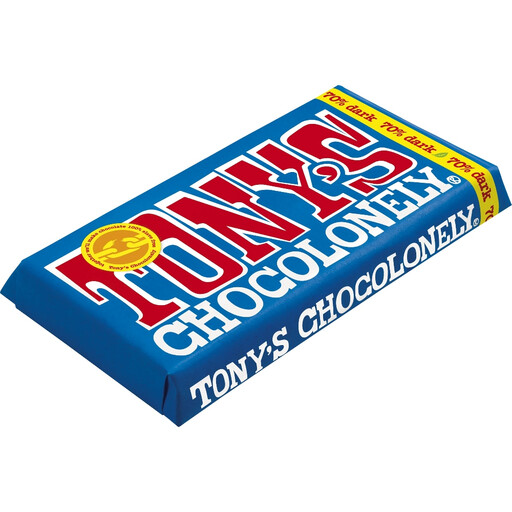
A dark chocolate bar for an occasional treat, rather than a pack to treat as one serving. Check the current nutrition and allergen label, and decide how much to serve before opening the 180g bar.
 No image available
Consider this 85% cocoa bar only if its dark-chocolate flavour suits the child. Use the label for this exact variant when comparing sugars, saturates, a serving and allergens; figures for Lindt’s 70% bar do not describe this one.
 No image available
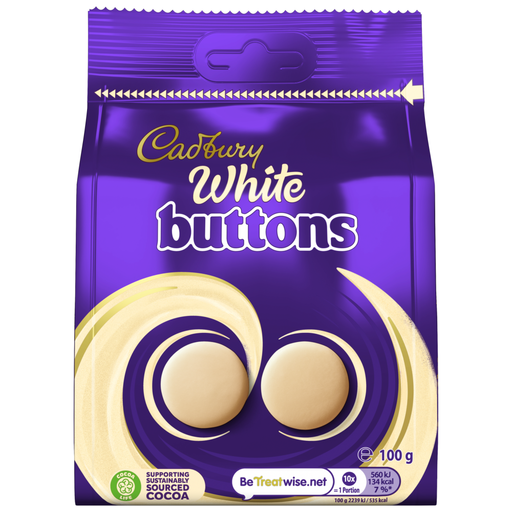
A white-chocolate option when that flavour is the reason for the treat. The 100g bag does not itself define a serving: decide the amount, then check the pack’s nutrition information and allergens.
No. Some named high-cocoa bars list less sugar per 100g than named white bars, but that does not settle the choice for every product or serving. Compare sugars, saturates, the amount to be eaten and allergens on the exact labels.
Check any serving information on the pack or decide an amount before opening a larger bar or bag. For the usual snack, NHS children’s guidance recommends fruit and vegetables and also suggests options such as yoghurt with fruit or vegetables with hummus.
No. Department of Health and Social Care guidance describes restrictions on qualifying retailers’ promotion and placement of in-scope less-healthy products in England, not a ban on a parent buying chocolate for a home snack. Those retail rules are separate from standards for food provided by schools.
Read the current pack’s ingredients, highlighted allergens and any precautionary statement for the exact product before serving it. Do not assume dark chocolate is free from milk or nuts, or that a bar described as made to a vegan recipe is suitable for someone with a milk allergy.