Hosts with mixed-preference guests
A white option and a clearly labelled 70% to 72% dark option give guests two distinct flavours to choose from when their preferences are unknown. Plan how each will be served so guests can tell them apart.


Choose white chocolate for a sweet, creamy addition, or a 70% to 72% dark chocolate for a stronger cocoa contrast alongside afternoon-tea bakes. If guests have varied tastes, serving a little of each gives them a choice; check the exact packs for allergens and precautionary warnings before putting either on a shared table.
A white option and a clearly labelled 70% to 72% dark option give guests two distinct flavours to choose from when their preferences are unknown. Plan how each will be served so guests can tell them apart.
White chocolate suits a table where creamy sweetness is the point. Buttons can go into a serving bowl, while a bar can be broken into pieces before guests arrive.
Read every current pack before serving. Milk and soya appear in some white-chocolate ingredients, and dark chocolate can carry milk or nut warnings; the flavour or colour alone cannot establish suitability for a guest.
Start with the flavours your guests may want, then choose a format that works for your table and check the labels on the exact products you plan to serve.
| Priority | What to check | Your needs |
|---|---|---|
| Flavour choice | Choose white chocolate for creamy sweetness or look for a dark bar labelled 70% to 72% cocoa for a more cocoa-led flavour. Consider whether guests would welcome both. | I am serving people with different tastes, so I would rather offer a white option and a dark one than assume everyone wants the same flavour. |
| Serving format | Check whether the product is buttons or a bar, its pack weight, and whether a bar needs breaking up before service. | Buttons would be easy to put in a bowl; for a plated spread, I can prepare bar pieces in advance. |
| Cocoa and nutrition | Read the stated cocoa percentage for the flavour direction. Compare nutrition values per 100g and ingredient lists on the exact packs separately; cocoa percentage is not a complete nutrition measure. | I want a pronounced dark-chocolate option without treating a higher cocoa figure as an answer to every nutrition question. |
| Allergen information | Check declared ingredients and any precautionary allergen wording on each physical pack. Keep the wrappers available while serving. | If a guest needs to avoid an ingredient or possible cross-contact, I need the label for each chocolate, not an assumption based on whether it is white or dark. |
A 70% or 72% label helps you select a cocoa-led flavour, but it does not tell you everything about sugars, ingredients or allergens.
Use the percentage to narrow the flavour choice, then compare the nutrition panels and ingredient lists on the bars you are considering.
Relevant white and dark products list different allergens and precautionary warnings. A familiar flavour name does not settle whether a particular guest can have the product.
Check each current pack and leave its wrapper available during service. If a guest has specific avoidance requirements, ask them what information they need before offering the chocolate.
For food provided to pupils in state-funded schools in England, Department for Education school-food guidance says confectionery and chocolate must not be served. That setting is different from a private afternoon tea.
If the event involves food provided to pupils at an England state-funded school, plan the menu with the school rather than assuming chocolate bought for a private party can be served there.
These examples show formats and label details worth comparing; a brand name alone does not establish the ingredients of every product it makes.
Cadbury offers white chocolate in a button format relevant to a shared afternoon-tea bowl.
Lindt lists a 100g EXCELLENCE White Vanilla bar alongside several EXCELLENCE dark bars, including 70%, 85%, 90% and 99% varieties.
M&S lists both white chocolate and a dark chocolate containing at least 70% cocoa solids.
Waitrose Belgian Dark Chocolate 72% is a clearly labelled dark option for a cocoa-led addition to the table.
Galaxy Fusions is relevant if you are considering a flavoured chocolate rather than a plain white or dark bar.
These white-chocolate options and 70% to 72% dark-chocolate options cover both flavour directions for an afternoon-tea table. Choose the format you want to serve, then check the current pack for ingredients and allergen warnings.
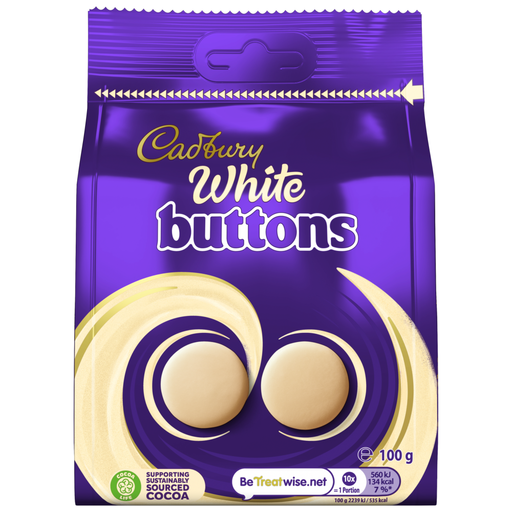 No image available
These white-chocolate buttons can go into a serving bowl without breaking up a bar. Check the current pack for ingredients and allergen warnings before offering them to guests.
 No image available
This 72% cocoa dark chocolate offers a cocoa-led choice alongside sweeter afternoon-tea foods. The pack is 100g; check its current ingredients and allergen warnings before serving.
 No image available
This 70% dark chocolate is another cocoa-led option if you plan to offer a contrast to white chocolate. Its pack is 90g; read the current label for ingredients and allergen warnings.
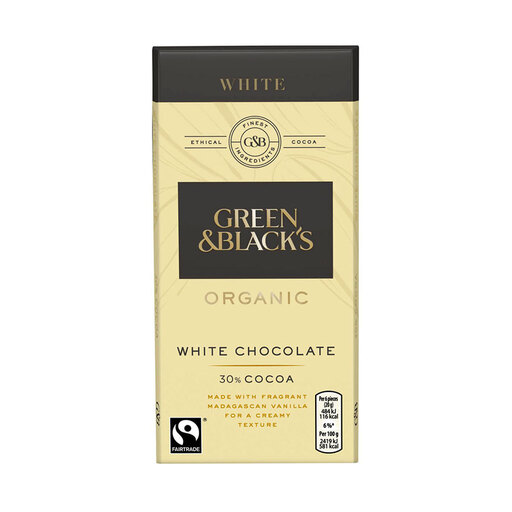 No image available
This 90g white-chocolate bar is an alternative to buttons if you would rather prepare pieces for a plate. Check the pack for its ingredients, allergen warnings and serving format.
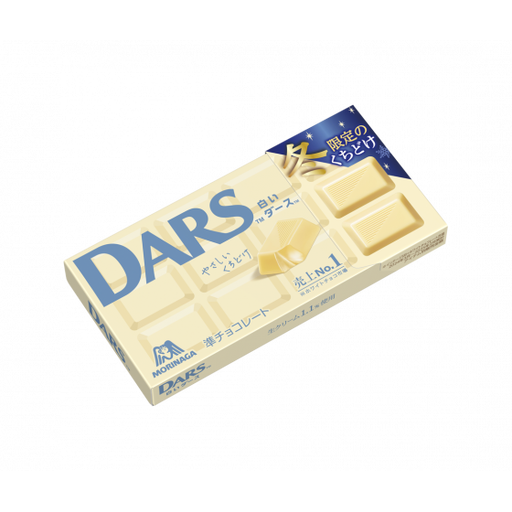 No image available
This 47g white-chocolate pack suits a smaller addition to the table. Check the pack if ready-to-serve pieces matter, and read its ingredients and allergen warnings before sharing.
Serve white chocolate if you want a sweet, creamy addition, and a 70% to 72% dark chocolate if you want a stronger cocoa contrast. When guest preferences are mixed or unknown, a little of each offers a choice without assuming one flavour suits everyone.
No. Cocoa percentage helps indicate the flavour direction, but it is not a complete nutrition measure. Compare values per 100g and ingredient lists on the exact bars you are considering.
Read each physical pack for declared allergens and precautionary wording, and keep the wrappers available while serving. The Food Standards Agency explains that precautionary allergen labelling communicates possible unintended allergen presence; white and dark chocolates must each be checked on their own label.
Do not plan chocolate confectionery as food provided to pupils at a state-funded school in England. Department for Education school-food guidance says confectionery, chocolate and chocolate-coated products must not be served in that setting; check the event plan with the school rather than applying private-party buying advice to school-provided food.