Fans of sweeter chocolate exploring dark bars
If white or milk chocolate is your usual afternoon snack, a declared 70% dark bar gives you a way to try a more cocoa-led flavour before considering 85% or higher.


Choose white chocolate if creamy sweetness is what you want; choose a bar with a declared dark-cocoa percentage if a stronger cocoa taste matters more. Around 70% offers a starting point when moving away from sweeter chocolate, while 85% or higher suits a preference for a more pronounced cocoa flavour. Whichever route you take, check the current pack for ingredients, allergens and nutrition rather than treating cocoa percentage as a measure of suitability on its own.
If white or milk chocolate is your usual afternoon snack, a declared 70% dark bar gives you a way to try a more cocoa-led flavour before considering 85% or higher.
If you already enjoy less-sweet dark chocolate, compare the stated cocoa percentages of 85% and higher options. Check each bar’s ingredients and allergen statement as well as its cocoa content.
The Department for Education’s England school food standards practical guide, dated 14 September 2026, says chocolate and confectionery must not be served across the school day. A higher cocoa percentage does not make a chocolate snack suitable for that setting.
Decide which flavour route you want first. Then compare the particular bars’ labels, especially if portion size or allergens affect your choice.
Choose it when: Creamy sweetness matters more to you than a dark-cocoa flavour.
Bear in mind: Marks & Spencer describes white chocolate as lower in cocoa solids than dark chocolate; it will not meet a high-cocoa dark preference.
Choose it when: You want to try a declared high-cocoa bar without starting at 85% or higher.
Bear in mind: A cocoa percentage does not replace checks of sugar, ingredients or allergen warnings on the individual bar.
Choose it when: A pronounced cocoa flavour is the point of the snack, rather than creamy sweetness.
Bear in mind: Higher cocoa content is a flavour distinction, not an assurance about nutrition or allergens.
| Priority | What to check | Your needs |
|---|---|---|
| Flavour and cocoa | Check whether the bar is white or dark chocolate. For a dark bar, compare its declared cocoa percentage; use the ingredient list to identify the product you are buying. | For a creamy, sweet snack, I would choose the white-chocolate route. If I want a stronger cocoa taste, I would look for a dark bar with a stated percentage. |
| Nutrition and portion | Compare sugars per 100g on the current nutrition labels and, where shown, per serving. Check the bar size or portion information before deciding how much to have. | I want to choose a serving deliberately, rather than assume that a dark bar needs no further label checks. The NHS identifies chocolate as a source of free sugars. |
| Allergens | Read the current ingredients, allergen declaration and any may-contain statement for the exact bar. Do not infer suitability from its colour or cocoa percentage. | If milk, nuts or another allergen matters to me, I need the information on this pack, not an assumption about dark chocolate. |
| Where it will be served | Separate a personal snack purchase from food served during the school day in England. The Department for Education’s England school food standards practical guide, dated 14 September 2026, says chocolate and confectionery must not be served across the school day. | For my own afternoon snack, I can compare white and dark chocolate. If I am choosing food to serve at an England school during the school day, I need a non-chocolate option. |
Marks & Spencer describes white chocolate as sweeter and lower in cocoa solids than dark chocolate. Choosing it for a specifically dark-cocoa flavour would miss the reason for buying.
Pick the flavour you actually want first; if high cocoa is essential, look for a dark bar with a declared cocoa percentage.
Cocoa percentage tells you about cocoa content, not everything on the nutrition panel. The NHS identifies chocolate as a source of free sugars.
Use the percentage to compare flavour routes, then read sugars per 100g and any serving information on the pack.
Waitrose lists may-contain warnings for milk and nuts on Lindt Excellence Dark 70%, while Marks & Spencer says its 85% dark bar is not suitable for people with milk, nut or peanut allergy. These statements concern those particular products.
Where allergens matter, check the current label of the exact bar, including its may-contain statement.
The Department for Education’s England school food standards practical guide, dated 14 September 2026, says chocolate and confectionery must not be served across the school day. Switching from white to dark chocolate does not change that rule.
For food served at an England school during the school day, choose a permitted non-chocolate snack. Do not treat that school-food rule as a ban on personal purchases or as a rule for every UK nation.
These examples help distinguish cocoa strengths and product styles; each statement applies to the named product or listing, not every chocolate made or stocked by that brand.
Lindt Excellence Dark 70% is a named 100g option for comparing the around-70% route.
Galaxy Fusions includes a dark chocolate described by Galaxy as containing 70% cocoa.
Cadbury describes Darkmilk Original as combining cocoa flavour with creaminess, making it a different flavour route from a bar selected for a declared high cocoa percentage.
Marks & Spencer lists an 85% dark bar and a separate 100% cocoa product for shoppers comparing more pronounced cocoa routes.
Waitrose’s dark-chocolate category provides examples at several declared cocoa strengths, including own-label and other-brand products.
These bars cover both sides of the afternoon-snack decision: white chocolate for creamy sweetness, plus plain and raspberry dark-chocolate options with declared cocoa percentages. Compare each pack’s current label before buying.
 No image available
Consider this 85% cocoa bar if a pronounced dark-chocolate flavour is your priority. The title identifies a 100g Ecuador dark-chocolate bar; check its current nutrition and allergen label for your intended serving.
 No image available
This 72% cocoa option sits closer to the around-70% route for someone moving from sweeter chocolate towards dark. It is a 100g bar identified as Dominican Republic dark chocolate; check the current pack for nutrition and allergens.
 No image available
Another 85% cocoa choice for a snack centred on dark-cocoa flavour. The bar is 90g; compare its current nutrition and allergen label with other 85% options rather than assuming identical ingredients.
 No image available
Choose this route if you want a declared 70% dark bar with raspberries, rather than a plain dark bar. It is a 90g product; check the current ingredients and allergen statement before relying on any dietary description.
 No image available
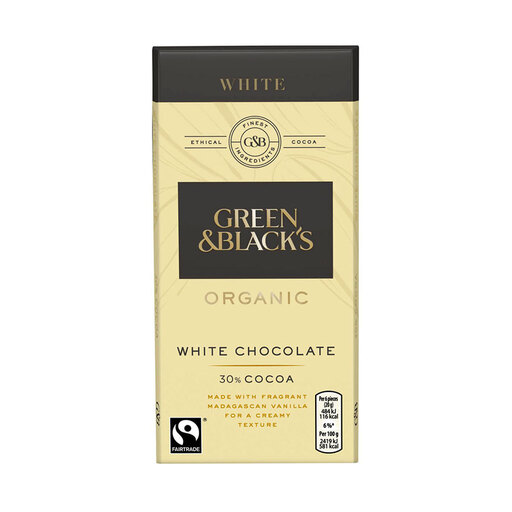
This 90g white-chocolate bar belongs to the creamy, sweet route, not the high-cocoa dark route. Check its current ingredients, nutrition and allergen label for the snack you intend to have.
No: they are different flavour routes. Marks & Spencer describes white chocolate as lower in cocoa solids and sweeter than dark chocolate; if high-cocoa flavour is the requirement, look for a dark bar with a declared cocoa percentage.
Around 70% is a starting point if you usually choose sweeter chocolate but want to try a more cocoa-led bar. Consider 85% or higher when a more pronounced cocoa flavour appeals to you; the percentage alone does not establish nutritional or allergen suitability.
No. The NHS identifies chocolate as a source of free sugars. Compare sugars per 100g on the current labels and check serving information if you are planning an afternoon portion.
Yes, if allergens affect your purchase: use the current pack’s ingredients and allergen statement for the exact product. For example, Waitrose lists milk and nut may-contain warnings for Lindt Excellence Dark 70%, and Marks & Spencer says its 85% dark bar is not suitable for people with milk, nut or peanut allergy.
Not during the school day under the Department for Education’s England school food standards practical guide, dated 14 September 2026: it says chocolate and confectionery must not be served across the whole school day. This school-food restriction is separate from a personal snack purchase and should not be assumed to describe the rules in Scotland, Wales or Northern Ireland.