What should you check?
Decide on the flavour and appearance first, then check the product’s intended baking use and the exact pack’s allergen information.
High-cocoa dark chocolate
Choose it when: the recipe calls for a pronounced cocoa flavour; a bar labelled at least 70% cocoa solids meets that stated preference.
Bear in mind: Marks & Spencer describes dark baking chocolate in this range as more bitter than white chocolate, and its cocoa percentage says nothing about allergy suitability.
White chocolate
Choose it when: the recipe needs a pale finish or a sweeter chocolate flavour.
Bear in mind: white chocolate does not meet a high-cocoa dark-chocolate brief; check its ingredients and allergens separately.
| Priority |
What to check |
Your needs |
| Cocoa flavour |
For the high-cocoa route, look for a stated cocoa-solids percentage of at least 70%. Consider whether the recipe calls for a bitter dark-chocolate profile. |
I want brownies or cake with a distinctly dark-chocolate flavour, rather than sweetness being the main impression. |
| Appearance |
Check whether the recipe needs pale chips, a white topping or dark chocolate throughout. White chocolate does not fulfil a high-cocoa dark requirement. |
A pale decoration matters more for this bake than a pronounced dark-chocolate taste. |
| Baking use |
Check whether the exact product is sold for cooking or baking. If the recipe requires melted chocolate, follow the applicable pack directions. |
I am melting chocolate for a cake or ganache, so I want instructions that fit the product I buy. |
| Allergens |
Read the current pack for ingredients and precautionary statements. Check the other recipe components and any school allergy arrangements too. |
Before offering a bake at school, I need to give the organiser accurate information about the finished item. |
Chocolate options on Joybuy
These options include dark bars for the high-cocoa route and white chips for bakes where a pale, sweeter addition is wanted. Check each product against the recipe and the school’s allergy arrangements.
 No image available
Menier Dark Cooking Chocolate 70% Cocoa 100g
A dark cooking-chocolate option for brownies, cakes or cookies when the recipe calls for a stated 70% cocoa profile.
Contains milk and may contain eggs, gluten and tree nuts. Check the current pack before using it for the sale.
View on Joybuy
 No image available
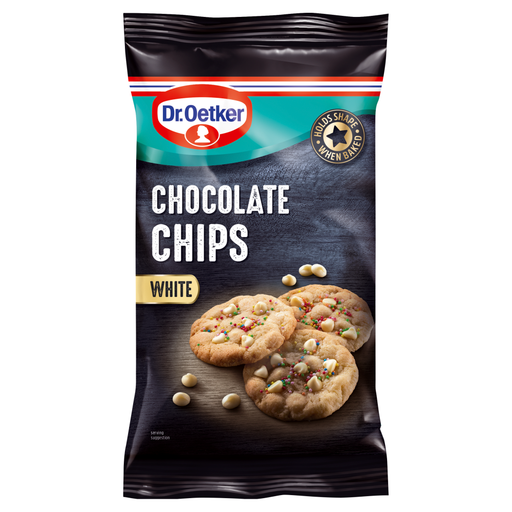
Dr. Oetker White Chocolate Chips 100g
White chocolate chips for cookies, muffins or brownies where a pale, sweeter addition suits the recipe.
They do not provide a high-cocoa dark profile. Contains milk and soya; check the current pack before use.
View on Joybuy
 No image available
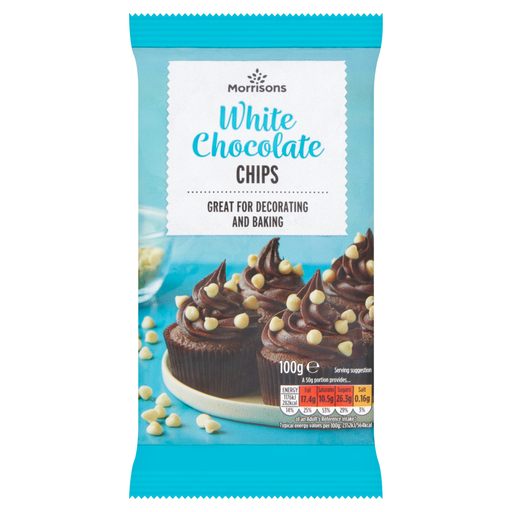
Morrisons White Chocolate Chips 100g
White chocolate chips for baking or decorating when the recipe calls for a pale finish.
They are not a high-cocoa dark option. Contains milk and soya; check the current pack before use.
View on Joybuy
 No image available
Green & Black's Dark Chocolate 70% 90g
A 70% dark bar to consider when a recipe calls for a high-cocoa chocolate flavour.
Check whether this bar suits the intended baking method. Its supplied allergen wording conflicts over milk and nuts, so use the current pack for the school-sale assessment.
View on Joybuy
 No image available
Morrisons The Best 85% Cocoa Ecuador Dark Chocolate 100g
An 85% cocoa dark bar to consider for a recipe seeking a pronounced cocoa flavour.
Confirm that the bar suits the intended baking method. It may contain gluten, milk, nuts and peanuts; check the current pack and the school’s allergy arrangements.
View on Joybuy
Questions about school bake sales
Should I use white chocolate for a high-cocoa dark bake?
No. If the intended result is a pronounced dark-chocolate flavour, choose a dark product labelled at least 70% cocoa solids. Marks & Spencer describes dark baking chocolate in this range as more intense and bitter, while white chocolate is the sweeter route for a pale finish.
Is dark chocolate automatically suitable for someone avoiding milk, nuts or soya?
No. Check the exact product’s current ingredients and precautionary statements. For example, the Lindt Intense Cooking listing includes soya lecithin and says the bar may contain nuts and milk; Lindt also says its separate Excellence 70% bar is not suitable for people with a milk allergy despite being made to a vegan recipe.
Do individually packed bake-sale items need ingredient labels?
That depends on who prepares and sells them and whether the food meets the rules for prepacked-for-direct-sale food. The Food Standards Agency says food businesses producing such food in England, Wales and Northern Ireland must label it with the food name and a full ingredients list with allergens emphasised. Somerset Council says individuals who are not food businesses and only sometimes provide food at voluntary cake sales do not need to follow those business requirements. Confirm the organiser’s arrangements and the school’s policy before packing items.
What should the school check before chocolate bakes are sold?
For schools in England, Department for Education allergy guidance advises checking product changes, reading labels and product information before use, and keeping dishes and their allergen content identifiable. Give the organiser accurate ingredients for the finished bake and follow the school’s allergy arrangements.


