Hosts making dark desserts
If brownies, ganache or a drizzle are on the menu, look for chocolate sold for cooking. A bar chosen for sharing is not necessarily the format you want to buy for a recipe.


Choose a 70% dark chocolate when the Halloween plan calls for a darker, more intense cocoa flavour alongside sweeter treats. Use an eating bar for pieces to share and a cooking bar for a recipe or melted decoration; choose white chocolate when a pale finish and sweeter taste are the point. Check the current pack before serving anyone with an allergy, regardless of the chocolate’s colour or vegan wording.
The serving plan matters as much as the choice between white and dark chocolate.
If brownies, ganache or a drizzle are on the menu, look for chocolate sold for cooking. A bar chosen for sharing is not necessarily the format you want to buy for a recipe.
A 70% dark eating bar gives guests a cocoa-led option beside sweeter Halloween food. Consider whether the people you are serving will enjoy its more intense flavour rather than assuming dark chocolate will suit everyone.
Choose for each guest using the current product pack. The Lindt EXCELLENCE 70% bar, for example, has precautionary statements for nuts, milk, soya and sesame on Lindt Shop UK’s product specification; its cocoa percentage alone says nothing about allergy suitability.
Decide whether the chocolate is for serving as it is, using in a recipe or making a pale decoration. Then check cocoa content and the exact pack for the guests who will eat it.
| Priority | What to check | Your needs |
|---|---|---|
| Colour and flavour | Check the stated cocoa-solids percentage if high-cocoa dark chocolate is the aim. Lindt Shop UK specifies at least 70% for its EXCELLENCE 70% bar; M&S Food describes dark baking chocolate as more intense and bitter than sweeter white chocolate. | I want a dark, cocoa-led choice beside sweeter party food. If the decoration needs to look pale, white chocolate serves a different purpose. |
| Serving format | Look for an eating bar for pieces to share, or a product expressly sold as cooking chocolate for baking and melting. Check the recipe’s own chocolate requirements before choosing a bar. | For a bowl of chocolate pieces, I want something ready to serve. For brownies or a drizzle, I am buying an ingredient for a particular recipe. |
| Allergens | Read the current pack’s ingredients and precautionary statements for the exact product. A vegan-recipe description does not cancel a milk cross-contact warning. | Someone at the table has an allergy, so the pack needs to be suitable for that person—not merely labelled dark or vegan. |
| School setting | For food supplied during the school day in England, check the applicable school-food rules and the school’s policy. The Requirements for School Food Regulations 2014 define confectionery to include chocolate in any form, except hot chocolate; retail HFSS promotion rules address a different setting. | I am arranging a school event rather than a private party, so I need to check the rules for where and when the food will be supplied. |
Dark-style products can differ substantially. Lindt Shop UK specifies at least 70% cocoa solids for its EXCELLENCE bar, while Milka’s German-market Darkmilk page states a minimum of 40% and lists milk ingredients.
If a particular cocoa threshold matters to your party plan, check the percentage on the current pack rather than relying on the word “dark”.
A product made to a vegan recipe can still have a precautionary milk statement. Lindt Shop UK lists possible milk, nuts, soya and sesame for its EXCELLENCE 70% bar.
Check the exact pack with the guest’s allergy requirements in mind. Do not substitute a brand-wide description or an online product image for that check.
England’s school-food rules and its HFSS retail-promotion rules concern different circumstances. A higher cocoa percentage does not, by itself, settle whether chocolate can be supplied at a school event.
For an event during the school day in England, check the school-food requirements and the school’s policy. For an event outside that setting, check the rules that actually apply rather than extending the England school-day position to every UK party.
A ready-to-eat bar and a cooking bar have different stated uses. Waitrose & Partners lists Lindt Intense Cooking Chocolate as a 70% dark product intended for desserts and baking.
Start with the recipe: choose chocolate sold for cooking when you need an ingredient to melt or bake, and an eating bar when you plan to serve pieces directly.
These examples clarify product types and pack checks; a brand name alone does not establish cocoa content or suitability for a particular guest.
Lindt Shop UK specifies at least 70% cocoa solids for its EXCELLENCE eating bar. Waitrose & Partners also lists a separate Lindt 70% cooking chocolate for desserts and baking.
M&S Food’s cooking-chocolate guidance describes dark baking chocolate with 70% to 100% cocoa as intense and bitter, in contrast to sweeter white chocolate.
Cadbury describes Bournville Classic as a 100 g smooth dark chocolate bar that is vegetarian-friendly.
Waitrose & Partners lists Green & Black’s Organic 70% Dark as an eating bar and Lindt Intense Cooking Chocolate as a separate 70% cooking option.
Milka’s German-market Darkmilk product page states a minimum of 40% cocoa and lists milk ingredients. That example should not be treated as a 70% dark bar.
Galaxy’s ingredient and allergen guidance directs shoppers to the information on the back of the pack.
These options cover dark cooking chocolate, eating bars and ready-to-eat truffles for a Halloween table. Choose by the intended use, and check each current pack before serving guests with allergies.
 No image available
For a Halloween recipe that calls for dark chocolate to melt or bake, this is sold as cooking chocolate. Its product information states at least 70% cocoa solids and lists milk, with precautionary information for eggs, gluten and tree nuts; check the current pack for guests with allergies.
 No image available
This eating bar offers a stated minimum of 72% cocoa for serving alongside sweeter treats. It is not identified as a cooking bar. Its product information lists soya and precautionary statements for gluten, milk, nuts and peanuts; check the current pack before serving.
 No image available
A 70% dark eating bar for pieces to share rather than a product identified for cooking. Its product information states at least 70% cocoa solids and says it may contain almonds, hazelnuts, other nuts and milk; check the current pack for allergy suitability.
 No image available
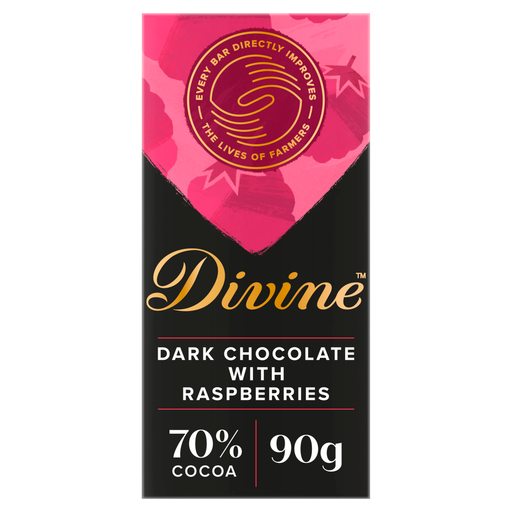
This ready-to-eat bar combines a stated minimum of 70% cocoa solids with raspberry pieces, so it is a flavoured rather than plain dark option. Milk and vegan-related wording conflicts within its product information: check the physical pack before serving it, particularly to anyone with an allergy.
 No image available
These ready-to-eat dark truffles have a creamy centre, rather than the format of a plain bar or cooking chocolate. The title says 70% cocoa; confirm the cocoa-solids figure on the pack if that threshold matters. The product information lists barley, milk and soya, with precautionary nut statements.
Choose dark chocolate for a darker, more cocoa-led flavour, or white chocolate for a pale finish and sweeter taste. M&S Food describes 70% to 100% dark baking chocolate as intense and bitter, and white chocolate as sweeter; the useful choice depends on what you are serving and decorating.
Start with your recipe and look for a product sold as cooking chocolate when you need to bake or melt it. Waitrose & Partners lists Lindt Intense Cooking Chocolate as a 70% dark product for desserts and baking; the finished flavour will also depend on the recipe’s other ingredients.
Not on that description alone. Lindt Shop UK gives its EXCELLENCE 70% bar a vegan-recipe description but also lists possible milk, so check the current pack and the guest’s allergy requirements before serving any particular product.
No. For food supplied during the school day in England, check the applicable school-food requirements and the school’s policy. England’s Requirements for School Food Regulations 2014 define confectionery to include chocolate in any form, except hot chocolate; that school-food context is distinct from retail HFSS promotion rules and from a private party.
Use it to narrow your choices, then check the physical pack of the product you will serve. Galaxy’s allergen guidance directs shoppers to the back of the pack, which is especially important when a guest needs an exact ingredient or precautionary-statement check.