Hosts with mixed sweetness preferences
Serve a white-chocolate dessert element alongside a separate dark option. A stated 70% cocoa bar gives guests a dark choice without making an 85%–100% bar the only alternative.


Choose white chocolate for a sweet dessert element and dark chocolate when guests want a cocoa-led tasting option. For a mixed group, serve them separately: a 70% dark bar offers a different starting point from the more intense 85%–100% options. Check each current pack’s ingredients and allergen warnings before serving, particularly when guests have allergies.
The useful split is between chocolate for making desserts and bars for guests to taste as they are.
Serve a white-chocolate dessert element alongside a separate dark option. A stated 70% cocoa bar gives guests a dark choice without making an 85%–100% bar the only alternative.
Look for white chocolate described for the job you have in mind, such as baking, mousse, topping or drizzling. Check the current pack for milk, soya and any precautionary allergen warnings.
Clearly labelled 85%, 90% and 100% bars let these guests choose their preferred cocoa strength. Keep the wrappers available so they can also check product-specific ingredients and warnings.
Choose it for: A sweet topping, drizzle or baking ingredient rather than a dark-chocolate tasting bar.
Bear in mind: The cited cooking products contain milk ingredients, so check each pack before serving guests with allergies.
Choose it for: Guests who want dark chocolate but have not asked for the pronounced bitterness of a 90% bar.
Bear in mind: It is a cocoa-led tasting choice, not a substitute for white chocolate in a sweet dessert plan.
Choose it for: A separate tasting choice for guests who actively enjoy intense cocoa flavour.
Bear in mind: Waitrose describes its 90% bar as intense and bitter; do not assume a high cocoa percentage suits everyone.
| Priority | What to check | Your needs |
|---|---|---|
| Flavour choice | Read the stated cocoa percentage on dark bars and any product flavour description. Keep white chocolate distinct from the dark tasting choices. | I’m serving guests with different tastes, so I’d rather offer a sweet option and a clearly labelled dark one than choose one bar for everyone. |
| Dessert use | Check whether the product is described for baking, melting, drizzling or decorating. A tasting bar need not have the same stated uses as cooking chocolate. | For a dessert topping or cake, I want chocolate intended for that preparation; for after-dinner squares, I can choose by the bar’s stated flavour. |
| Allergens | Read the current pack’s ingredients, highlighted allergens and ‘may contain’ statement. Check each product separately, including bars described as made to a vegan recipe. | If someone has an allergy, I need to know which chocolate is which and keep its wrapper available when serving. |
| Nutrition labels | Compare sugars, energy and saturated fat using the same per-100g basis. Do not use the words ‘white’ or ‘dark’ as substitutes for the nutrition panel. | When comparing sugar figures, I want like-for-like numbers for the actual products I’m considering, not an assumption based on colour. |
| Serving and storage | Follow each pack’s storage instructions and identify different chocolates when setting them out. Retain the packaging for ingredient checks. | I’m buying ahead for the party and want guests to be able to identify each option at the table. |
Waitrose describes its 90% dark bar as intense and bitter. Making a very high-cocoa bar the only chocolate on offer leaves little choice for guests who prefer a sweeter flavour.
Offer a sweet white-chocolate element and a separate dark option; add higher-cocoa bars for guests who want to taste them.
Lindt describes its cited 85% bar as made to a vegan recipe, while warning that it is not suitable for people with a milk allergy because of its manufacturing environment. A recipe description does not replace the allergen statement.
Check the current ingredients and precautionary wording for every bar, and keep the wrappers with the serving information.
White and dark chocolates can have different nutrition declarations; appearance alone does not tell you the sugars, energy or saturated fat in a particular product.
If these figures matter to your choice, compare the current packs on the same per-100g basis.
Ingredients and precautionary warnings differ between products, even within one type of chocolate. Once pieces are mixed, guests may not be able to match them to their packs.
Keep varieties identifiable and check the packs you receive before putting the chocolate out.
These examples show how stated uses and cocoa percentages can inform the choice; a brand name alone does not establish a product’s ingredients or allergy suitability.
Lindt’s EXCELLENCE range includes dark bars with stated cocoa contents, including the 70%, 85% and 100% products described by Lindt Shop UK.
Waitrose describes its cooking white chocolate for desserts and also lists dark bars at 85% and 90% cocoa.
M&S presents its cited white chocolate as an ingredient for baking or dessert decoration.
Cadbury describes Bournville Classic as dark chocolate and Darkmilk as a cocoa-and-milk combination.
The cited Galaxy product is a milk chocolate bar, not a white chocolate or high-cocoa dark example.
These options include white chocolate chips for dessert preparation and dark bars with stated cocoa percentages for serving separately. Choose by the intended use and check the current pack before serving.
 No image available
A stated 72% cocoa dark bar for guests who want a dark tasting option alongside a sweeter dessert.
Check the current pack’s ingredients and allergen warnings before serving.
 No image available
The stated 85% cocoa content makes this a separate choice for guests seeking a higher-cocoa dark bar.
Keep its pack available so guests can check the current ingredients and allergen statement.
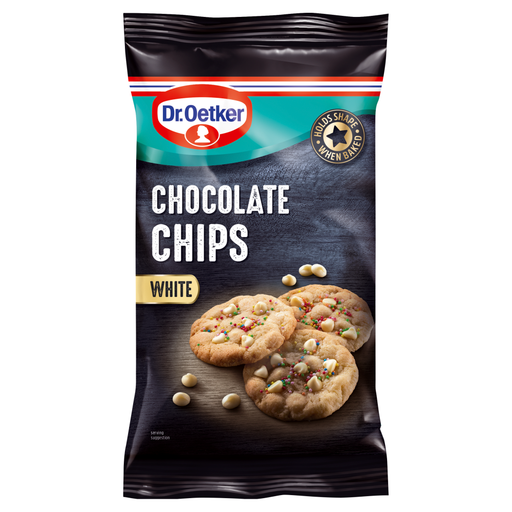 No image available
White chocolate chips for a baked dessert or topping, rather than a dark-chocolate tasting choice.
The supplied product information identifies milk and soya; confirm the current pack before serving.
 No image available
A stated 70% dark bar with raspberries for guests who want a fruit-flavoured dark option.
Check the physical pack before serving: the supplied product information gives conflicting statements about milk, so its allergy suitability should not be assumed.
 No image available
The title states 90% cocoa, making this a distinct high-cocoa tasting choice for guests who want one.
Check the current pack’s ingredient and precautionary allergen wording before serving.
Not if guests are expecting a dark, cocoa-led flavour. The cited white products are described for sweet desserts and baking, while the dark bars state cocoa contents from 70% to 100%; offer them as separate choices for different preferences.
A stated 70% bar is a starting choice when you want dark chocolate without making an 85%–100% product the only option. Waitrose describes its cited 90% bar as intense and bitter, so set higher-cocoa bars apart for guests who want that flavour.
Not automatically. Lindt says its cited 85% bar is made to a vegan recipe but is not suitable for people with a milk allergy because it is manufactured in a facility that uses milk. Follow the current pack’s allergen statement for the exact product being served.
Follow the storage instructions on each pack, particularly if buying in advance. Keep the packaging so guests can identify the chocolates and check their ingredients when they are served.