Parents choosing everyday toddler snacks
If chocolate is becoming a regular between-meal option, the NHS snack examples offer other starting points. Think about the food, how it is served and when it will be eaten.


Switching from white chocolate to high-cocoa dark chocolate does not make chocolate the choice for a routine toddler snack. The NHS lists fruit, prepared vegetables, plain unsweetened yoghurt and unsalted rice cakes among snack options for young children, while identifying chocolate as a source of free sugars. If you are choosing food for a nursery or school, check the rules and policies that apply to that setting rather than assuming a cocoa percentage settles the question.
If chocolate is becoming a regular between-meal option, the NHS snack examples offer other starting points. Think about the food, how it is served and when it will be eaten.
For meals, snacks and drinks supplied by an early-years setting in England, the Department for Education’s Early Years Foundation Stage nutrition requirement calls for food that is healthy, balanced and nutritious. Serving safety also matters for young children.
Check the individual setting’s food and allergy policy before packing a snack. Requirements for food supplied by a setting should not automatically be treated as rules for every packed snack.
Start with whether this is an everyday between-meal snack, then check its ingredients, serving form and setting requirements.
| Priority | What to check | Your needs |
|---|---|---|
| Everyday snack type | For a routine snack, consider the NHS examples for young children, including fruit, appropriately prepared vegetables, plain unsweetened yoghurt and unsalted rice cakes. Do not treat a dark chocolate’s cocoa percentage as a snack-suitability test. | I’m choosing something for regular between-meal snack time, rather than deciding which chocolate to buy. |
| Sugar and timing | The NHS identifies chocolate as a source of free sugars and advises keeping the frequency and amount of sugary foods as low as possible. Lancashire and South Cumbria NHS Foundation Trust advises having sugar-containing foods as part of a meal, not as between-meal snacks, and avoiding them at bedtime. | If I decide to offer a sugary food, I need to consider when it is eaten as well as the amount. |
| Setting rules | Check the nursery or school’s food and allergy policy. In England, food supplied by early-years settings falls under the Early Years Foundation Stage nutrition requirement; state-funded schools must comply with School Food Standards, according to the Department for Education. | Before I pack or provide a snack, I want to know what applies to this particular setting and whether it is supplying the food. |
| Serving safety | Choose a form appropriate for the child’s eating ability and prepare it accordingly. Department for Education food-safety guidance advises cutting small round foods lengthways and into quarters, preparing hard foods appropriately and supervising young children while they eat. | A non-chocolate choice still needs to be served in a way my child can manage, with an adult present. |
A cocoa percentage alone does not establish the sugar content, serving size or allergen suitability of a particular product. The NHS identifies chocolate as a source of free sugars regardless of which variety you are considering.
For routine snack time, begin with young-child snack options such as prepared fruit or vegetables, plain unsweetened yoghurt or unsalted rice cakes. If considering a specific chocolate for another occasion, check its pack rather than relying on “high cocoa” wording.
When sugary foods are offered between meals or at bedtime, the eating occasion matters as well as the food itself. Lancashire and South Cumbria NHS Foundation Trust advises having sugar-containing foods as part of a meal and avoiding them at bedtime.
Choose a different option for regular between-meal snacks, and keep the frequency and amount of sugary foods as low as possible, as the NHS advises.
England’s Early Years Foundation Stage nutrition requirement concerns food supplied by early-years settings, while School Food Standards apply to state-funded schools in England. Those scopes do not establish the classification or acceptability of every white or dark chocolate product.
Check the applicable nation’s requirements and the individual nursery or school policy before supplying or packing food. Assess any product-specific claim against that product, not the chocolate category as a whole.
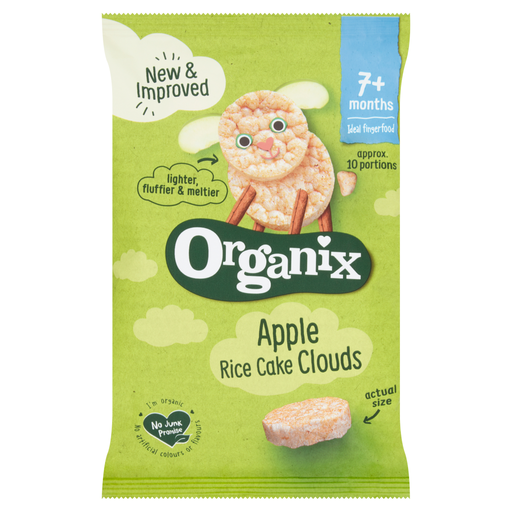
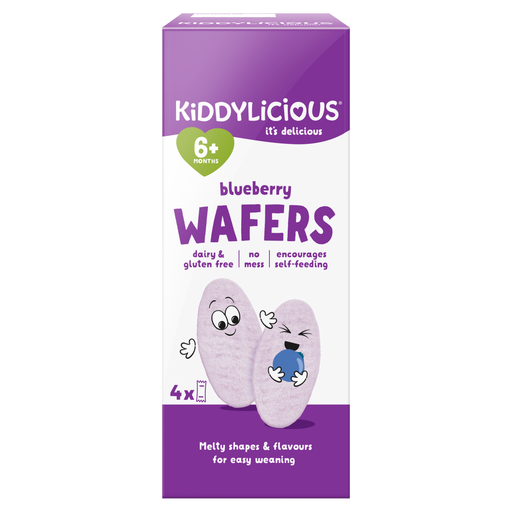
These rice-cake and wafer products are options to assess when choosing a non-chocolate snack for a toddler. They are not the plain unsalted rice cakes in the NHS examples; check each pack’s ingredients, serving information and suitability for your child.
 No image available
For a non-chocolate rice-cake-style snack, check whether this apple variety suits the child and the eating occasion. The pack is labelled 7+ months and 40g; check its ingredients, sugar per serving and serving instructions, and supervise eating.
 No image available
For a non-chocolate wafer option, consider whether the texture suits the child’s chewing ability. The pack is labelled 6+ months and 4x4g; check its ingredients, allergens, sugar per serving and serving instructions. Have the child seated upright and supervise eating.
A higher cocoa percentage does not establish that dark chocolate is suitable as a routine toddler snack. The NHS identifies chocolate as a source of free sugars and lists non-chocolate options for young children, including fruit, prepared vegetables, plain unsweetened yoghurt and unsalted rice cakes.
Lancashire and South Cumbria NHS Foundation Trust advises having sugar-containing foods as part of a meal rather than as between-meal snacks, and avoiding sugary foods at bedtime. The NHS also advises keeping both the frequency and amount of sugary foods as low as possible.
Check the setting’s policy and the rules applicable to the food it supplies; do not assume either type of chocolate is accepted. In England, the Department for Education says food supplied by early-years settings must meet the Early Years Foundation Stage nutrition requirement, while state-funded schools must comply with School Food Standards. These are not a single rule for every UK setting or every parent-packed snack.
Prepare it in a form appropriate for the child and supervise eating. Department for Education food-safety guidance notes that children can choke on any food; it advises, for example, cutting small round foods lengthways and into quarters, preparing hard foods appropriately and keeping young children within sight and hearing while they eat.