Shoppers choosing between white and dark chocolate
Check the product type before ordering if a search brings up both. A white bar and a high-cocoa dark bar serve different flavour and recipe purposes.


Choose white chocolate when its sweet, creamy taste is what you want; it is not a like-for-like choice for a high-cocoa dark bar. If you want dark chocolate, compare the declared cocoa percentage and choose the level that suits your taste. For an online grocery order, check the exact ingredients and allergens, then inspect any substitute before accepting it.
Check the product type before ordering if a search brings up both. A white bar and a high-cocoa dark bar serve different flavour and recipe purposes.
Compare the percentage declared on each bar if you are deciding between options such as 70%, 85% and 90% cocoa. Let your preferred taste guide the choice rather than treating a higher number as an overall quality rating.
Review the specific bar before checkout and its pack at delivery, particularly if a substitute has been offered. Do not use a product type or a vegan-recipe description in place of its allergen statement.
Decide whether the order calls for white or dark chocolate first; then check the exact bar and how substitutions will be handled.
| Priority | What to check | Your needs |
|---|---|---|
| Chocolate type | Read the full product name to distinguish white from dark chocolate. If a recipe calls for a particular type, check any proposed replacement against it. | I want the chocolate I ordered, not a different type that happens to appear in the same search results. |
| Cocoa level | For dark bars, compare the declared cocoa-solids percentage on the exact product. Lindt lists EXCELLENCE examples at 70% and 90% minimum cocoa solids. | A stated cocoa percentage helps me choose between dark bars according to my taste; I would not use it alone to compare dark with white chocolate. |
| Ingredients and allergens | Read the individual listing and the delivered pack. Check the allergens relevant to you, including any precautionary statement, rather than assuming bars from one range are identical. | If ingredients matter to my order, I need to assess the actual bar that arrives, especially when it is a substitute. |
| Substitutions | Review the retailer’s substitution setting before checkout. Decide in advance whether a different cocoa percentage, pack or recipe would meet your needs. | I would rather decline a substitute than accept a bar with the wrong chocolate type or ingredient profile. |
| Delivery and storage | Check availability and delivery eligibility at checkout. After delivery, follow the storage directions on the pack and avoid leaving chocolate in a hot location. | I need an order I can receive and put away promptly, particularly if the delivery location gets warm. |
Waitrose describes its Belgian White Chocolate as a 25% cocoa-solids white bar; Lindt lists dark EXCELLENCE examples at 70% and 90% minimum cocoa solids. They will not fulfil the same chocolate-type request.
Put the required type on your shopping list and, for dark chocolate, specify the cocoa percentage you would accept.
A substituted bar can have a different recipe or allergen statement. Sainsbury’s says it may offer substitutes when goods are unavailable unless the customer has opted out.
Turn off substitutions when the exact item matters. Otherwise, inspect the proposed bar and decline it if it does not meet your needs; check your retailer’s process for doing so.
Lindt says its EXCELLENCE Dark 90% bar is made to a vegan recipe but is not suitable for people with a milk allergy.
For an allergy-related decision, use the current allergen statement on the exact delivered pack and relevant medical advice, not the recipe description alone.
These brand examples illustrate different types of chocolate; they are not interchangeable product lines.
Lindt’s UK EXCELLENCE range lists dark bars at several declared cocoa levels, including 70%, 85% and 90%, as well as a White Vanilla bar.
Waitrose Belgian White Chocolate is a 180g white bar listed with 25% cocoa solids.
Tesco describes Milka Bubbly Milk&White as Alpine milk chocolate filled with 46% aerated white chocolate.
These options cover both sides of the choice: three dark bars labelled 70% or 85% cocoa and two white-chocolate bars. Choose the chocolate type first, then compare the individual packs.
 No image available
An 85% cocoa dark bar for shoppers choosing by a declared cocoa level. Check the delivered pack’s allergen statement and confirm delivery availability at checkout.
 No image available
Another 85% cocoa dark option in a 100g bar. Review its own ingredient and allergen statement rather than assuming it matches another 85% product, and confirm delivery availability at checkout.
 No image available
A 70% cocoa dark bar in a 90g pack if that declared level suits your order. Check its current allergen statement on the delivered pack and confirm delivery availability at checkout.
No image available
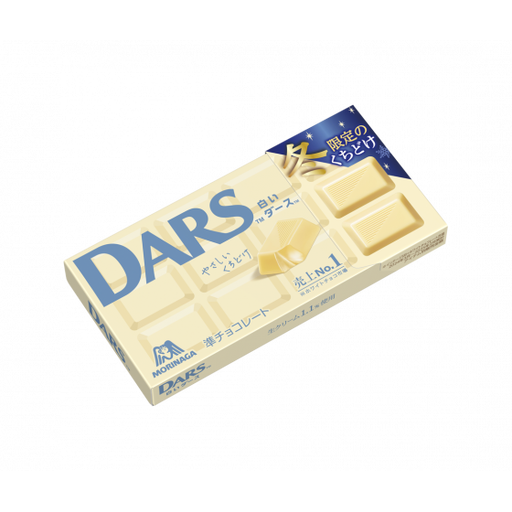
A 90g white-chocolate bar for a white-chocolate order, not a replacement for a high-cocoa dark bar. Check the ingredients and allergens on the delivered pack and confirm delivery availability at checkout.
 No image available
A 47g white-chocolate pack if you want a smaller quantity. Review the exact ingredient and allergen statement before use and confirm delivery availability at checkout.
Not when the chocolate type or dark flavour is important to your order. Waitrose lists a white-chocolate example with 25% cocoa solids, while Lindt’s cited dark examples declare 70% and 90% minimum cocoa solids. Check the type required by your recipe or taste preference before accepting a substitute.
Choose by the cocoa level and flavour you want, rather than assuming the highest percentage is the right purchase. Lindt lists dark bars at all three levels; if you are unsure about a higher-cocoa bar, check its product description and ingredients before ordering.
Turn substitutions off if the exact chocolate type, cocoa percentage or ingredients are essential. If you allow them, inspect any proposed replacement before accepting it. Sainsbury’s says substitutes may be offered for unavailable goods unless you opt out, while Tesco describes a process for handing back an unwanted substitute to the driver.
Yes, check the statement on the actual pack, particularly if a different bar arrives. Allergen information can differ between chocolate products, and Lindt specifically says its vegan-recipe EXCELLENCE Dark 90% bar is not suitable for people with a milk allergy.
Bring it indoors promptly and follow the storage instructions on its pack. Avoid leaving it in a hot porch, vehicle or direct sunlight while you unpack the rest of the order.