Drinkers with a grinder and brewer
Whole beans make sense if you can grind coffee for the espresso machine, filter brewer or cafetière you use at home or work. The grind needs to suit that method.


Choose whole beans if you have a grinder and brewer and want to adjust the grind for your elevenses coffee; grinding adds a preparation step. If you have only a kettle and mug, or little time for a break, an instant coffee jar is the simpler format, but it does not offer the same control over grinding for different brew methods.
Your equipment and the time available during a break are the starting points for choosing between beans and a jar.
Whole beans make sense if you can grind coffee for the espresso machine, filter brewer or cafetière you use at home or work. The grind needs to suit that method.
An instant coffee jar avoids the grinding and brewing equipment that whole beans require, which matters when an elevenses break is short.
Look at the description of the specific blend rather than assuming every bean coffee will taste the same with milk. Lavazza, for example, describes its Crema e Aroma beans as an Arabica and Robusta blend with chocolate notes.
Decide whether you can grind and brew during your break, then compare the method, flavour description and pack size of the coffee you would actually use.
Choose when: You have a grinder and brewer and want to prepare coffee for your chosen brew method.
Allow for: Beans must be ground before brewing, with the grind adjusted to the method.
Choose when: A kettle, mug and brief break are what you have available.
Allow for: Instant coffee is soluble coffee, not whole beans you can grind for a brewer.
| Priority | What to check | Your needs |
|---|---|---|
| Preparation | Check whether the coffee is soluble instant coffee or whole beans, and whether a grinder and brewer are available. | For a short break with just a kettle and mug, I want a jar I can prepare without grinding. If I have the equipment and time, beans are an option. |
| Brewing method | For beans, check the product’s recommended method and set the grind for your brewer. Coffee & Health notes that grind size needs to be adapted to its intended use. | I use an espresso machine, filter brewer or cafetière and want to grind beans for that method, rather than use one grind for every drink. |
| Flavour | Read the exact blend and roast description. Union describes darker roasts as fuller-bodied and lighter roasts as brighter; those descriptions do not establish how every product will taste. | With milk, I want to check whether the blend’s stated notes appeal to me. For black coffee, I may be looking for a different roast description. |
| Pack and storage | Compare pack size with how often you make coffee, then follow that product’s instructions after opening. M&S, for example, gives refrigerator and freezer guidance for its Espresso Blend Coffee Beans. | If I make coffee only occasionally at elevenses, I want a pack size I can use and store as its label directs. |
| Caffeine | Check whether the specific coffee is labelled decaffeinated and consider caffeine from other drinks. The NHS advises no more than 200 mg of caffeine a day during pregnancy. | If caffeine matters to my choice, I want to check the product label and consider the whole day, not just my elevenses cup. |
Whole beans do not dissolve like instant coffee. They need grinding and brewing before you can drink them.
Choose a soluble instant coffee jar if you will not have a grinder and brewer available; otherwise, check your equipment before choosing beans.
Using whole beans may require a grinder and a suitable brewer.
A roast description helps describe the expected flavour, but it is not a caffeine amount for the finished drink.
Check whether the exact product is decaffeinated if that matters to you. During pregnancy, the NHS advises keeping caffeine from all sources within 200 mg a day.
Instructions after opening differ between products, so a storage rule for one bag should not be applied to every coffee.
Match the pack size to how often you brew and follow the current instructions on that pack.
Grind size varies by preparation method, and brands may recommend particular methods for individual blends.
Check the product’s brewing guidance and adjust the grind for your equipment. If you switch between methods, do not assume one grind setting will suit both.
These range descriptions can help narrow a choice, but brewing guidance and flavour notes belong to specific products rather than every coffee a brand makes.
Lavazza offers whole-bean coffee, including its Crema e Aroma blend.
illy’s UK coffee-bean range includes a decaffeinated whole-bean option.
Taylors lists ground coffee, whole beans and coffee bags in its range.
Union gives brew-method recommendations for individual blends.
M&S describes a bean range that includes espresso blends and single-origin coffees.
Waitrose offers a whole-bean coffee range and guidance on preparing beans.
These options include one instant coffee jar for a kettle-and-mug break and whole-bean packs for drinkers who can grind and brew their elevenses coffee.
 No image available
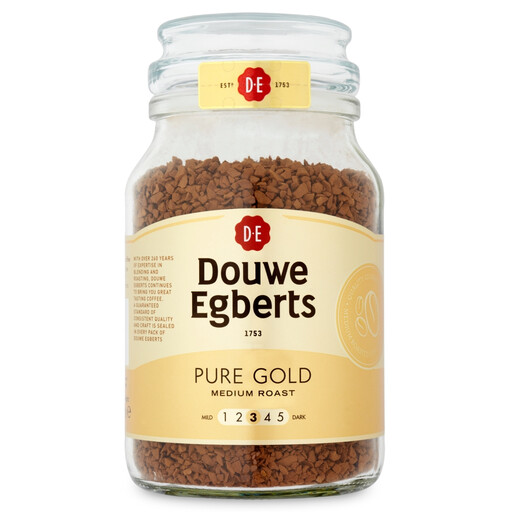
An instant coffee jar to consider when elevenses calls for a drink made with a kettle rather than a grinder and brewer. The title states a medium roast and 190 g pack; check the label if you need to monitor caffeine.
 No image available
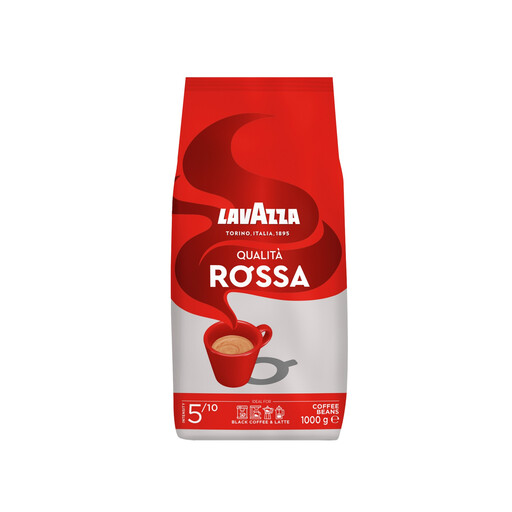
A whole-bean option for an elevenses break with grinding and brewing equipment available. The pack is 1000 g, so consider how often you brew and check its instructions after opening.
 No image available
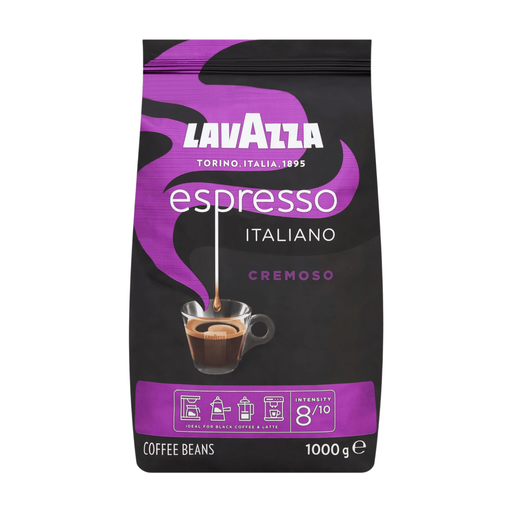
These whole beans require grinding and a suitable brewer for elevenses. The pack is 1 kg; check its brewing and storage instructions against your equipment and how often you make coffee.
 No image available
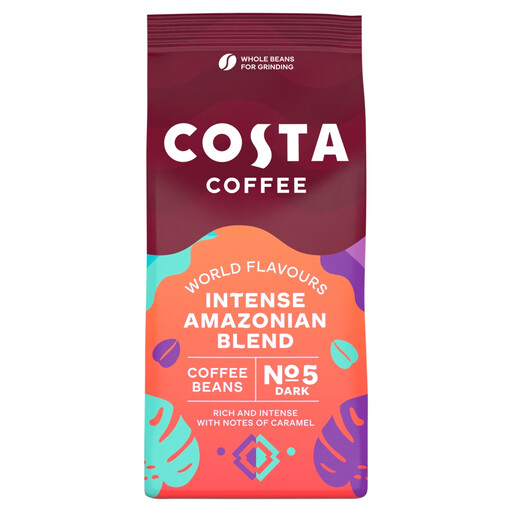
A 200 g whole-bean pack for a break where you can grind and brew. Check the pack itself for the applicable storage instructions after opening.
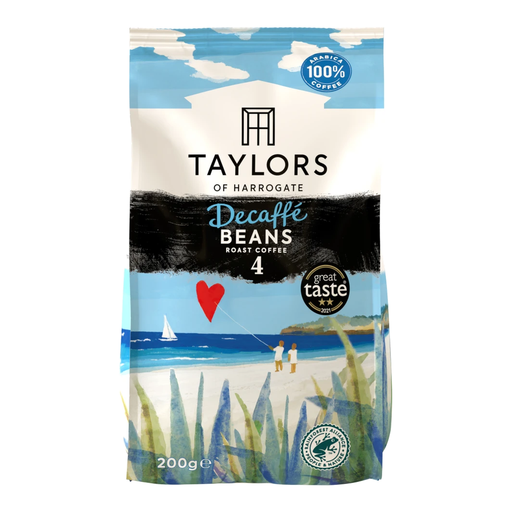 No image available
A 200 g decaffeinated whole-bean option if you have a grinder and brewer. Check the pack for brewing guidance and, if relevant, information about residual caffeine.
No. Whole beans need grinding before brewing, and the grind should suit your preparation method. Coffee & Health notes that grind size needs to be adapted to its intended use.
No. Instant coffee is a soluble coffee product made from roasted and ground beans, while whole beans still need grinding and brewing. Choose the format that fits the equipment and time available for your break.
Follow the instructions on the exact pack. For example, M&S gives refrigerator and freezer storage periods for its Espresso Blend Coffee Beans; those periods are not a rule for every bean product. Consider pack size alongside how often you brew.
The NHS advises no more than 200 mg of caffeine a day during pregnancy, including caffeine from other foods and drinks. If you are choosing coffee for elevenses, check whether the product is decaffeinated and consider your intake across the day rather than treating one cup in isolation.