Bakers following a whole-milk recipe
If you are making cakes, pancakes, custards or enriched doughs, start with the milk type your recipe specifies rather than assuming a lower-fat substitution will give the same result.


When a baking recipe simply calls for whole milk, standard fresh whole milk is a straightforward choice. Filtered fresh milk may suit a bottle you will keep open longer, while UHT whole milk offers an unopened cupboard reserve; neither format has a demonstrated baking advantage here. Choose organic milk for its stated sourcing if that matters to you, and check what a particular label means by “mature” rather than assuming the word promises a different result.
If you are making cakes, pancakes, custards or enriched doughs, start with the milk type your recipe specifies rather than assuming a lower-fat substitution will give the same result.
If you seldom finish a fresh bottle, compare its opened-life with filtered fresh milk or consider an unopened UHT carton for the cupboard. Follow the instructions on the particular pack once it is open.
If organic sourcing matters to you, look for a specific certification or sourcing statement. That choice does not, by itself, establish how the milk will perform in a recipe.
Start with the recipe’s milk requirement, then choose a format you can store and use according to its label.
| Priority | What to check | Your needs |
|---|---|---|
| Recipe match | Check whether the recipe specifies liquid whole milk or allows prepared milk powder. Compare fat figures only when they use the same measure, such as per 100ml of liquid milk. | When I follow a recipe calling for whole milk, I want to keep its intended milk type and quantity rather than assume a substitution will behave identically. |
| Opened-life | Read the pack’s refrigeration temperature and use-after-opening instruction. Sainsbury’s lists 3 days for its standard fresh example, M&S lists 7 days for its filtered fresh example, and Waitrose lists 5 days after opening its UHT example. | I bake occasionally, so I need a pack I can use within its particular opened-life. |
| Cupboard storage | Distinguish an unopened UHT carton or milk powder from refrigerated fresh milk. Check the separate instructions for opening, preparation and storage. | A cupboard reserve would help when I decide to bake without fresh milk to hand, provided its preparation suits my recipe. |
| Label and sourcing | Check the current allergen, date and storage information. If origin, organic certification or a term such as “mature” affects your choice, look for a specific explanation on the product. | I want to know what I am buying without assuming a sourcing statement or an undefined term predicts baking results. |
Long-life storage applies before opening. Waitrose instructs buyers to refrigerate its Essential Long Life Whole Milk below 5°C and consume it within 5 days once opened.
Refrigerate an opened carton promptly and note its opening date so you can follow its label.
The cited M&S filtered milk has a longer stated opened-life than the cited Sainsbury’s standard fresh milk. That storage difference does not demonstrate a better baking result.
Choose filtered milk when its labelled opened-life suits your routine; otherwise, follow the recipe’s milk requirement.
Whole cow’s milk contains milk, an allergen, and storage and date instructions are product-specific.
Check the current pack for allergen, date and storage information, particularly when baking for someone who must avoid an ingredient.
The term alone does not tell you the product’s composition, processing or suitability for a particular recipe.
Look for an explanation on the specific product, then compare its milk type, preparation and storage instructions with what your recipe requires.
These examples illustrate label and format differences; a retailer’s range does not establish how one milk will bake compared with another.
Its British Whole Milk 2.27L (4 pint) is a standard fresh option for recipes specifying whole milk.
Tesco lists standard, filtered and Jersey whole-milk options in different pack formats.
Tesco lists Cravendale Filtered Fresh Whole Milk in 1L and 2L formats.
Its cited whole-milk products include filtered fresh and organic options.
Essential Long Life Whole Milk is a UHT option described by Waitrose as suitable for cooking.
These are milk powders to consider if you are willing to prepare milk for baking; they are not fresh bottled milk. Follow each product’s mixing instructions and check whether prepared milk suits your recipe.
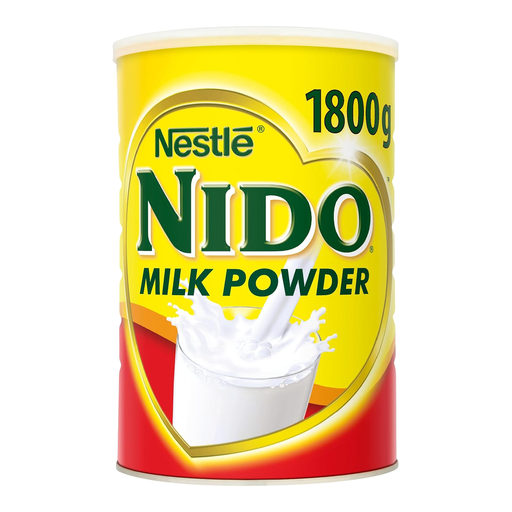 No image available
A powder option if you can prepare the milk before adding it to a recipe. Follow the pack’s mixing instructions and check whether the prepared quantity fits your recipe; check the current allergen label if nuts are a concern.
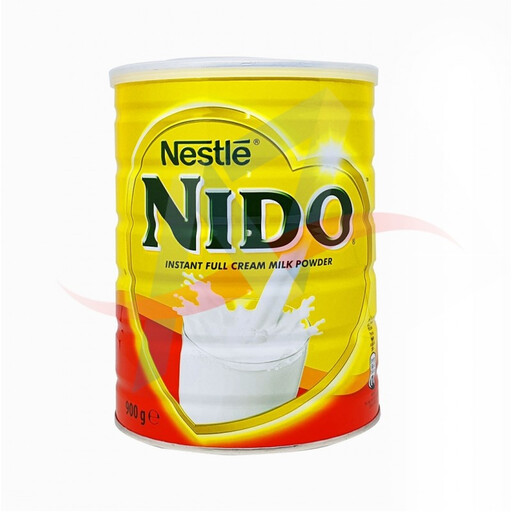 No image available
Consider this powder when you can mix the milk before baking. Check the pack size and preparation directions on the current product, as well as its allergen label if peanuts or hazelnuts matter to you.
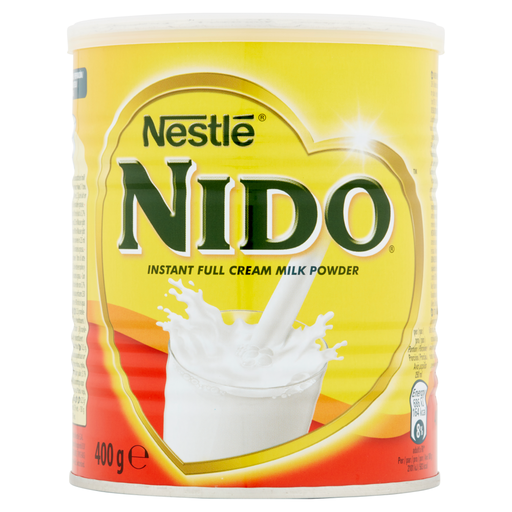 No image available
A 400 g powder option for recipes where prepared milk is suitable. Follow the product’s mixing directions and check its opened-pack instructions if you expect to use the powder across several baking sessions.
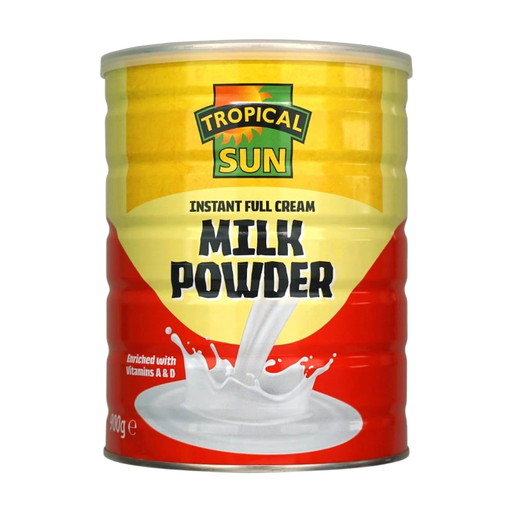 No image available
A powdered format for baking when preparing milk first fits your recipe. The 900g pack still needs mixing; check the directions for the prepared quantity and the current label for milk and soya allergens.
Yes, when the recipe does not specify a specialist milk. Sainsbury’s standard British Whole Milk, for example, is labelled as whole milk with 3.7g fat per 100ml; use the quantity your recipe specifies.
Follow the individual pack rather than one rule for every format. Sainsbury’s specifies 3 days after opening for its cited standard fresh milk, M&S specifies 7 days for its cited filtered fresh milk, and Waitrose specifies refrigeration and use within 5 days for its cited UHT milk.
No. Whole cow’s milk contains milk, an allergen. Check the current ingredients and allergen information when choosing ingredients for a bake.
No. UK government guidance says raw drinking milk may contain harmful bacteria, so do not assume it is interchangeable with pasteurised or UHT milk. The same guidance states that sales of raw drinking milk are banned in Scotland; rules differ elsewhere in the UK.