Bakers following a whole-milk recipe
If the recipe specifies whole milk, standard pasteurised, homogenised whole milk is a direct way to use the liquid named without changing its quantity.


If your biscuit recipe calls for whole milk, a standard pasteurised, homogenised whole milk lets you follow the specified liquid and quantity. Choose filtered milk for its stated freshness positioning, or another variety for a sourcing preference, rather than assuming it will change the biscuits for the better. King Arthur Baking notes that liquids with different amounts of water, fat, milk solids and acidity can affect baking results.
If the recipe specifies whole milk, standard pasteurised, homogenised whole milk is a direct way to use the liquid named without changing its quantity.
Filtered whole milk may appeal if you also value its stated freshness positioning. Check the bottle’s use-by date and instructions after opening; filtering alone does not establish a different baking result.
The Food Standards Agency identifies milk as an allergen, while the NHS distinguishes food intolerance from food allergy. A milk-free biscuit recipe calls for an appropriate alternative rather than a different variety of cow’s milk.
Start with the liquid named in the recipe. Then choose a pack and variety that suit how you plan to use it; a description such as “mild” does not replace those checks.
| Priority | What to check | Your needs |
|---|---|---|
| Recipe liquid | Check whether the recipe specifies whole milk or another liquid, and measure the stated quantity. King Arthur Baking notes that baking liquids differ in water, fat, milk solids and acidity. | I want to follow a whole-milk biscuit recipe without making an untested liquid swap. |
| Milk composition | Read the exact bottle’s nutrition label if its composition matters to your recipe. Sainsbury’s British Whole Milk lists 3.7g fat and 3.5g protein per 100ml; those figures describe that product, not every variety. | A particular biscuit result matters to me, so I would rather change one recipe ingredient at a time. |
| Freshness and pack size | Compare pack size with the bottle’s use-by date and post-opening directions. Cravendale is sold as filtered whole milk with a freshness claim; follow its own label for storage. | I bake occasionally and want a bottle I can use within its labelled period. |
| Sourcing preference | Check the exact product for the sourcing descriptor you want and whether it is homogenised. Waitrose describes its Essential British Free Range Whole Milk as pasteurised, homogenised and standardised; a sourcing descriptor does not establish a baking advantage. | Free-range sourcing matters to my purchase, even if I am following the same whole-milk recipe. |
| Milk powder | If considering whole milk powder, check its preparation instructions and whether the recipe allows prepared milk. Do not assume a prepared powder has the same composition as a particular fresh milk. | Keeping fresh milk on hand is inconvenient, but I still need to check that the prepared liquid suits my recipe. |
| Milk allergen | Check allergen information on the milk and every other ingredient. The Food Standards Agency identifies milk as an allergen; the NHS notes that intolerance and allergy are different. | I need to avoid cow’s milk, so changing between standard, filtered and lactose-free cow’s-milk products is not a substitute for checking the ingredients. |
King Arthur Baking explains that milk and other baking liquids differ in water, fat, milk solids and acidity. A swap can therefore change the result, even when the measured volume is the same.
Use the liquid named in the biscuit recipe, or follow a recipe that gives a tested substitution.
Cravendale’s filtered-milk positioning concerns freshness, while a free-range descriptor concerns sourcing. Neither establishes how your biscuits will turn out.
Choose these varieties when the stated freshness or sourcing characteristic matters to you, and keep following the recipe’s milk quantity.
Opened-life directions can differ between whole-milk products. Sainsbury’s West Country Whole Milk, for example, says to consume it within three days of opening.
Choose a pack size you can use and follow the storage and date instructions on the bottle you buy.
The NHS distinguishes food intolerance from food allergy. Removing lactose does not, by itself, establish that a cow’s-milk product is suitable for someone with a milk allergy.
Check the allergen information of the proposed milk and all other recipe ingredients.
These examples show how whole-milk labels can differ; each description applies to the named product or range, not to every bottle from that retailer.
Tesco British Whole Milk is an example of pasteurised, standardised, homogenised whole milk for a recipe that simply calls for whole milk.
Sainsbury’s British Whole Milk provides a labelled standard-milk example.
Cravendale offers filtered whole milk with a freshness-focused product description.
M&S offers British whole milk for shoppers who also consider where a product is sourced.
Waitrose’s Essential British Free Range Whole Milk combines a free-range sourcing descriptor with a standardised whole-milk description.
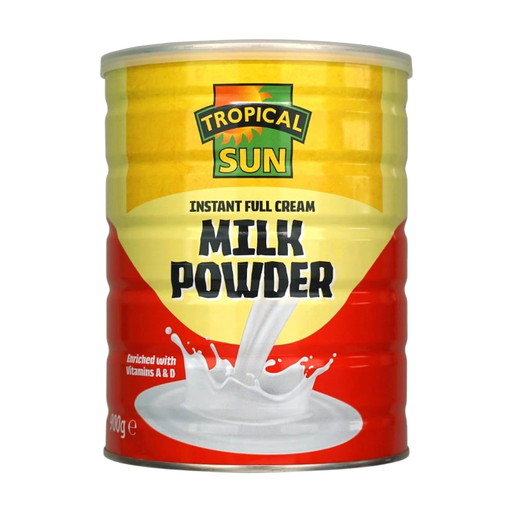
This whole milk powder is an option to consider when storing fresh milk for biscuit baking is inconvenient. It needs preparation before use; check the mixing instructions and your recipe before treating it as a substitute for fresh whole milk.
 No image available
This instant whole milk powder is described for baking and needs to be prepared before it can be used as a liquid. Check its mixing instructions and whether your biscuit recipe suits prepared milk; do not assume it matches the composition or flavour of a particular fresh whole milk. The product information lists milk and soya allergens.
Yes. Standard pasteurised, homogenised whole milk is a direct choice for a recipe that specifies whole milk. Measure the quantity in the recipe rather than adjusting it because you chose a different brand.
Filtering alone is not a basis for expecting a different biscuit result. Cravendale is described as filtered whole milk with a freshness claim, so choose it if that characteristic suits how you use the bottle, not as a guaranteed baking improvement.
Use buttermilk if the recipe calls for it or gives a tested substitution. King Arthur Baking notes that biscuit-making liquids differ in water, fat, milk solids and acidity, so a straight swap may change the result.
Do not assume it is. The NHS distinguishes intolerance from food allergy, and the Food Standards Agency identifies milk as an allergen. Check the allergen information for any proposed substitute and the other recipe ingredients.
Follow the storage and post-opening directions on the bottle you buy. Directions vary: Sainsbury’s West Country Whole Milk, for example, says to consume it within three days of opening, so consider how much you will use when choosing a pack size.