Hosts shopping ahead
If milk will be used across several days, compare the dates and opened-life instructions on the actual packs. Filtered fresh milk still needs chilling; an unopened UHT carton serves a different purpose as a cupboard backup.


For a Boxing Day buffet, choose standard fresh whole milk if you expect to use it promptly, filtered fresh milk if its stated chilled storage window suits earlier shopping, or unopened UHT whole milk as a cupboard backup. Organic milk is a sourcing choice, while unhomogenised milk suits a deliberate preference for a cream layer. Check the date, storage instructions and allergen information on the packs you buy.
If milk will be used across several days, compare the dates and opened-life instructions on the actual packs. Filtered fresh milk still needs chilling; an unopened UHT carton serves a different purpose as a cupboard backup.
Think about how the milk will be served. Standard homogenised whole milk is a straightforward option for tea, coffee and cooking; unhomogenised milk has a cream layer that may need stirring or shaking before use. Organic certification addresses sourcing rather than how long an opened carton keeps.
Keep the packaging and recipe ingredients available for drinks, sauces and desserts. Milk is an allergen, so whole milk is not suitable for a guest with a milk allergy; check other ingredients and possible cross-contact before describing a dish to guests.
If you searched for “mature whole milk”, look at the exact product label instead: the useful distinctions for this buffet are fresh, filtered fresh, UHT, organic and unhomogenised milk. The NHS uses “mature” to describe cheese, such as mature cheddar, rather than a whole-milk storage style.
| Priority | What to check | Your needs |
|---|---|---|
| Shopping and serving dates | Compare the pack date, unopened storage instructions and period stated for use after opening. ASDA and Sainsbury’s list up to 3 weeks unopened and 7 days opened for their Cravendale filtered-milk examples; Tesco’s 1.13L standard fresh example says best within 5 days of opening. | I’m buying ahead, so I want a chilled bottle whose date and stated opened life fit when guests will arrive and when leftovers are likely to be used. |
| Backup storage | Check whether a carton is labelled UHT and how it must be kept after opening. Waitrose says its Essential Long Life Whole Milk must then be refrigerated below 5°C and consumed within 5 days. | A cupboard backup would help me avoid opening another chilled bottle before it is needed. |
| Serving style | Check whether the milk is homogenised or unhomogenised and read any directions for handling cream. Waitrose describes cream rising to the top of Tom Parker’s unhomogenised whole milk. | For drinks or recipes, I need to decide whether a visible cream layer is welcome or whether a homogenised milk would be simpler to serve. |
| Sourcing preferences | Check the exact pack for organic certification and origin claims. Waitrose describes its Yeo Valley example as organic British milk from free-range cows, certified by the Soil Association; it says best consumed within 3 days of opening. | Certified organic sourcing matters to me, but I still need the carton’s opened-life guidance to fit the buffet plan. |
| Ingredients and allergens | Read the milk pack and the ingredient lists for prepared dishes; retain recipes for food made at home. GOV.UK identifies milk as one of the allergens that food businesses must communicate when it is an ingredient. | I want guests to know which drinks, sauces and desserts contain milk, rather than relying on how a dish looks. |
Opened-life guidance differs between products. Tesco’s standard fresh example says best within 5 days of opening, the Cravendale filtered examples state 7 days, and the Yeo Valley and Tom Parker examples state 3 days.
Plan from your shopping and serving dates, then choose a pack size you expect to use within its instructions. Check the date and storage wording on the pack you receive.
Waitrose says cream rises to the top of Tom Parker’s unhomogenised whole milk. That changes how it appears and may affect how you want to present it alongside drinks.
Choose it when a cream layer is welcome, and follow the product’s directions to shake, spoon off or pour the cream. Otherwise, consider a homogenised whole milk.
Whole milk may suit a particular recipe or serving preference, but it will not meet every guest’s preference. NHS guidance advises older children and adults who are trying to reduce saturated fat to consider lower-fat milk.
If that matters for your gathering, offer a separately labelled lower-fat option and check the nutrition panel of the milk you purchase.
Milk can be an ingredient in sauces, desserts and drinks even when guests cannot tell by looking. A guest with a milk allergy needs accurate ingredient information.
Keep packaging and recipes to hand, identify dishes containing milk and check ingredients and cross-contact before answering an allergy question.
These product lines show how storage instructions and milk styles differ; a brand name alone does not tell you the date or directions on the pack you will serve.
A filtered fresh whole-milk option for hosts planning chilled storage ahead of the buffet.
A conventional fresh whole-milk reference when the bottle will be used soon after purchase.
A UHT whole-milk line to consider for an unopened cupboard backup.
A sourcing-led choice when organic certification and the stated British free-range origin matter.
An unhomogenised style for a host who wants the cream to rise to the top.
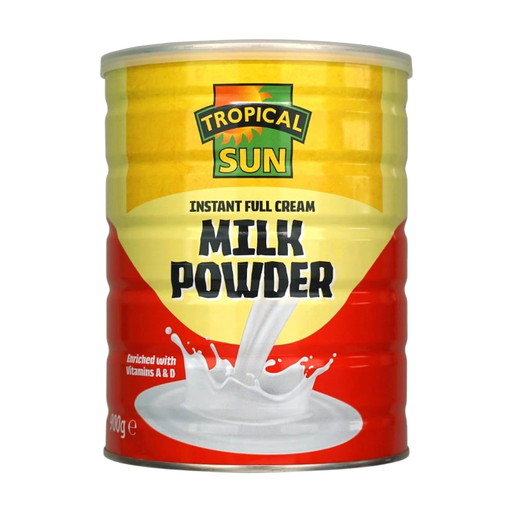
For a buffet backup that you can prepare when needed, this Joybuy option is full-cream milk powder. Unlike the ready-to-pour fresh and UHT milks discussed above, it requires mixing before serving.
 No image available
This powder is an option to prepare for buffet drinks or cooking when needed, rather than a bottle of ready-to-pour milk.
Follow the pack’s mixing and storage instructions, including how to keep milk after preparing it. Check its milk and soya allergen information before serving; it is not suitable for someone with a milk allergy.
Use the precise milk style on the product label instead. Standard fresh, filtered fresh, UHT, organic and unhomogenised describe different choices relevant to this buffet; the NHS uses “mature” for stronger-flavoured cheese such as mature cheddar, not as a whole-milk storage category.
Choose filtered fresh milk if you want a chilled bottle and its pack date fits your plans; Sainsbury’s Cravendale listing states up to 3 weeks unopened and 7 days once opened. Choose unopened UHT milk for a cupboard backup: Waitrose says its Essential carton must be refrigerated below 5°C and consumed within 5 days after opening.
No. Whole milk contains milk, an allergen identified in GOV.UK’s food-labelling guidance. Keep ingredient information for buffet dishes available, and check recipes and cross-contact rather than assuming a dish is suitable because milk is not visible.
Follow the purchased pack’s refrigeration and use-by instructions. The Food Standards Agency says use-by guidance depends on following storage directions, including keeping food at 5°C or below when refrigeration is required. Opened-life wording varies by product: Tesco’s fresh example says best within 5 days, Cravendale’s filtered examples state 7 days, and the Yeo Valley and Tom Parker examples state 3 days.
No single milk choice will suit every preference or recipe. Whole milk may be the ingredient you want for a dish, while NHS guidance advises older children and adults trying to reduce saturated fat to consider lower-fat milk; a separately labelled option lets guests choose.