Choosing standard, filtered, lactose-free or long-life whole milk does not establish how mild a curry will be: start with a mild recipe or paste and consider its chilli and other ingredients. Choose the milk format around when you will cook, how you will store and use what remains, and whether anyone eating the curry needs to avoid lactose or milk.
Who is this choice for?
Cooks aiming for a milder curry
If lower heat is the aim, choose the recipe and paste before the milk format. Good Food’s mild-curry examples use ingredients such as yoghurt and coconut, but they do not establish that one type of whole milk makes a curry milder.
Shoppers planning a meal ahead
If curry night might move, compare the pack’s unopened and after-opening guidance. Chilled standard and filtered milk need refrigeration; an unopened long-life carton offers a different storage option.
Households checking lactose and milk ingredients
Lactose-free dairy milk can suit a need to avoid lactose, but it still contains milk. The Arla LactoFREE product information says it is not suitable for people with a milk allergy; the NHS distinguishes lactose intolerance from food allergy.
What should you check before buying?
Set the curry’s heat through the recipe, then match the milk’s format, storage instructions and ingredients to the meal.
| Priority |
What to check |
Your needs |
| Curry heat |
Choose a recipe or paste described as mild; check the chilli and other ingredients it calls for. Good Food’s mild-curry examples include yoghurt or coconut, not a particular whole-milk format. |
I want a gentler curry, so I’ll choose the recipe for its heat level rather than expect a different milk format to control it. |
| Meal timing |
Compare the use-by date, refrigeration instructions and time allowed after opening. Sainsbury’s labels its standard whole milk for use within three days of opening; ASDA Groceries lists seven days for Cravendale filtered milk. Waitrose says to refrigerate its long-life milk after opening and use it within five days. |
Curry night might change, or I may have milk left over. I need a pack size and storage format that fit when I expect to use it. |
| Milk ingredients |
Check the current allergen label for the milk and other curry ingredients. ASDA Groceries lists whole milk and lactase enzyme in Arla LactoFREE and states that it is unsuitable for people with a milk allergy. |
If a diner needs to avoid lactose, I can check a lactose-free option. If they have a milk allergy, lactose-free dairy milk is not an alternative. |
| Amount added |
Check the recipe’s quantity and serving size alongside the pack’s nutrition information. For milk powder, distinguish values for dry powder from values for a prepared serving. |
A splash and a larger sauce addition use different amounts of milk, so I want to measure what goes into the curry. |
What mistakes are worth avoiding?
-
Expecting a milk format to set the curry’s heat
Filtered, lactose-free and long-life describe different milk formats or ingredients, not a measured level of heat in the finished dish.
Choose a mild recipe or paste first, then select milk according to the recipe and your storage or ingredient needs.
-
Using lactose-free dairy milk for a milk allergy
Arla LactoFREE contains milk and its product information says it is unsuitable for people with a milk allergy. The NHS distinguishes food allergy from lactose intolerance.
Check the allergen labels of every ingredient going into the curry; do not treat lactose-free dairy milk as milk-free.
-
Opening a large carton too early
After-opening instructions differ between products. Sainsbury’s specifies three days for its standard whole milk, ASDA Groceries lists seven days for Cravendale, and Waitrose specifies five days for its long-life whole milk.
Check the exact pack before opening it and choose a size you expect to use within its stated period.
-
Overlooking how much milk the recipe uses
A larger addition changes the amount of milk in each serving. Nutrition information for dry milk powder should not be read as the value for the same weight of prepared milk.
Measure the amount called for by the recipe and read the nutrition panel using the stated basis, such as per 100ml of liquid milk or per 100g of powder.
Which brand examples help you compare formats?
These product examples show why the pack’s format and instructions matter more to this choice than the brand name alone.
Cravendale
A filtered fresh whole-milk example for a meal planned ahead.
- ASDA Groceries lists up to three weeks unopened and seven days after opening for its Cravendale 2L product.
- It remains a refrigerated milk; filtration does not establish a milder curry.
Asda
A filtered own-label whole-milk example.
- ASDA Groceries describes its British Milk Filtered Whole 2L as typically fresh for eight days.
- The product guidance says to keep it refrigerated below 5°C; check the current pack date and instructions.
Sainsbury’s
A standard chilled whole-milk example for cooking soon after purchase.
- Sainsbury’s describes its British Whole Milk 2.27L as pasteurised, homogenised and standardised.
- Its label says to keep it below 5°C and consume it within three days of opening.
M&S
A chilled British whole-milk example with stated sourcing information.
- M&S says its milk is sourced from M&S Select Farms.
- Its product guidance specifies refrigeration at 0°C to +5°C and says it is best consumed within three days of opening.
Waitrose
A UHT whole-milk example for an unopened cupboard backup.
- Waitrose & Partners describes Essential Long Life Whole Milk as suitable for cooking.
- After opening, its guidance says to refrigerate it below 5°C and consume it within five days.
Arla LactoFREE
A lactose-free dairy whole-milk drink example.
- ASDA Groceries lists whole milk and lactase enzyme among its ingredients.
- It contains milk and is expressly labelled unsuitable for people with a milk allergy.
Joybuy milk option for cooking
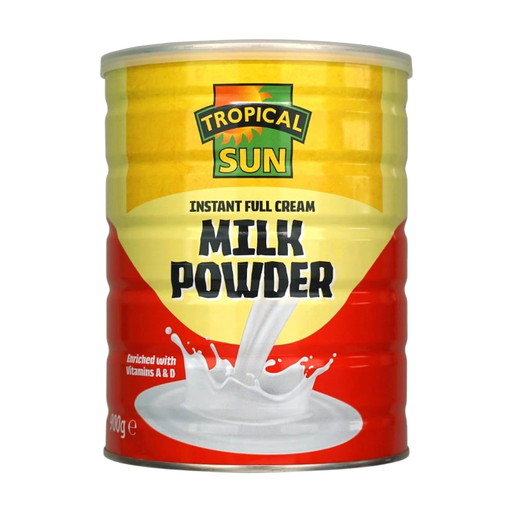
This option is whole milk powder for cooking. It needs mixing before use, unlike a ready-to-pour chilled or long-life carton, and its format does not determine how mild the curry will be.
 No image available
Tropical Sun Full Cream Milk Powder 900g
A powdered option for cooking that must be measured and mixed before use. The product is described as enriched with vitamins A and D; it contains milk and soya, so check the current allergen label before serving.
View on Joybuy
Questions about milk for curry
Will a particular whole milk make my curry mild?
Do not rely on the milk format to set the curry’s heat. Choose a mild recipe or paste and check its chilli and other ingredients; Good Food’s mild-curry examples include yoghurt or coconut, but do not establish a mildest whole milk.
Can someone with a milk allergy have lactose-free whole milk?
No: the Arla LactoFREE whole milk drink listed by ASDA Groceries contains milk and is labelled unsuitable for people with a milk allergy. The NHS distinguishes lactose intolerance from food allergy, so check the allergen label rather than treating “lactose-free” as “milk-free”.
How long can I keep opened milk for another curry?
Follow the instructions on your exact pack. Sainsbury’s specifies three days after opening for its British Whole Milk, ASDA Groceries lists seven days for Cravendale filtered whole milk, and Waitrose specifies five days for Essential Long Life Whole Milk after opening; each has chilled-storage instructions.
Can I use long-life whole milk for cooking?
Yes, Waitrose & Partners describes its Essential Long Life Whole Milk as suitable for cooking. Its guidance says to refrigerate it below 5°C once opened and consume it within five days.
Which curry ingredients need an allergen check?
Check the current labels of the milk and every other ingredient you plan to use. The Food Standards Agency identifies milk as an allergen, and lactose-free dairy milk can still contain it.


