For everyday easy-chew cooking, standard whole milk works in dishes such as mash and smooth sauces; compare bottle size with how quickly you will use it. Filtered whole milk is worth considering if its stated after-opening period better fits your routine, while unopened long-life milk offers a cupboard-stored option. If someone has a prescribed swallowing-fluid level, follow their Speech and Language Therapist’s advice: the International Dysphagia Diet Standardisation Initiative (IDDSI) classifies ordinary milk as a Level 0 thin liquid.
Who is this choice for?
Home cooks making soft meals
Milk can be used in mashed potato and other smooth dishes. NHS Lanarkshire’s soft-diet guidance gives mashed potato with butter and milk as an example; choose the bottle size and format that fit the meals you plan to make.
Small households using milk occasionally
Compare pack sizes and the selected milk’s after-opening instructions before buying a large bottle. Stated periods differ between the fresh and filtered products described below.
People preparing meals around swallowing advice
Easy chewing and safe swallowing are different considerations. IDDSI classifies ordinary milk as a Level 0 thin liquid, and Oxford University Hospitals NHS Foundation Trust advises following an individual Speech and Language Therapist’s recommendation when thickened fluids are needed.
What should you check?
Start with the dish and the amount of milk you will use, then compare the exact pack’s storage instructions. Treat any prescribed fluid consistency and allergen requirements as separate checks.
| Priority | What to check | Your needs |
|---|
| Soft dishes |
Consider how much milk the recipe needs and whether the finished dish has a suitable texture. NHS Lanarkshire includes milk in its mashed-potato example but advises individual texture guidance for swallowing difficulties. |
I use milk in mash or smooth sauces and need to judge the finished meal, not just the milk added to it. |
| Storage and pack size |
Check refrigeration, the date on the pack and its after-opening instructions. Tesco states that its 2.272L standard whole milk is best within 5 days of opening; Sainsbury’s states 3 days for its 2.272L bottle. M&S states 7 days for its filtered whole milk. |
Milk is only an occasional cooking ingredient for me, so a smaller pack or a different format may fit how often I use it. |
| Fresh, filtered or long-life |
Compare the selected products’ pack sizes and storage directions. Waitrose lists fresh whole-milk bottles in several sizes and a 1L long-life whole milk; M&S describes its filtered whole milk as staying fresher for longer. |
I want a format that fits where I can store it and when I expect to open it, rather than assuming every whole milk keeps for the same length of time. |
| Swallowing guidance |
Check any prescribed IDDSI fluid level with the person’s Speech and Language Therapist. IDDSI identifies ordinary milk as a Level 0 thin liquid; a creamy-looking meal does not establish that its drink component meets a different prescribed level. |
Someone I cook for has a swallowing plan, so I need to follow their individual instructions rather than choose milk by its apparent creaminess. |
| Milk allergen |
Read the current pack label, particularly when changing brand or format. The Food Standards Agency identifies milk as an allergen, and Sainsbury’s labels its whole milk as containing milk. |
I am cooking for someone who needs to avoid milk, so I need to check the actual ingredients before serving. |
Common buying mistakes
-
Assuming easy-chew meals make thin drinks suitable
IDDSI classifies ordinary milk as a Level 0 thin liquid. For a person who needs modified fluids, the appearance of a creamy dish does not establish the appropriate drinking consistency.
If a swallowing plan applies, follow the fluid level and preparation advice given by the person’s Speech and Language Therapist rather than changing thickness by guesswork.
-
Choosing a large bottle without checking when it must be used
The stated after-opening periods differ: Sainsbury’s specifies 3 days for its 2.272L whole milk, Tesco says its 2.272L bottle is best within 5 days, and M&S specifies 7 days for its filtered whole milk.
Choose a size you can use for planned meals and drinks, and follow the selected pack’s refrigeration and date instructions.
Milk left over when its stated after-opening period ends may go to waste.
-
Relying on a retailer page as the final allergen check
Milk is a Food Standards Agency-listed allergen. Ingredients and other product details on the pack matter when cooking for someone with an allergy or intolerance.
Read the current physical label before serving, especially when substituting a brand or switching from liquid milk to powder.
Brand and range references
These UK retailer ranges illustrate different pack and storage choices; the instructions belong to the named products, not every milk sold under each brand.
Tesco
Tesco lists standard and filtered whole milk in its fresh whole-milk range.
- Its 2.272L British whole milk is pasteurised, standardised and homogenised; Tesco declares 3.7g fat and 3.5g protein per 100ml.
- Tesco says the named standard bottle is best used within 5 days of opening and must be kept refrigerated.
Sainsbury’s
Sainsbury’s lists a 2.272L British standard whole milk for fresh-milk cooking.
- The named bottle is pasteurised, homogenised and standardised, with 3.7g fat and 3.5g protein declared per 100ml.
- Its instructions say to keep it below 5°C and consume it within 3 days of opening.
M&S
M&S lists standard British whole milk and a filtered British whole milk.
- M&S states a 7-day after-opening period for its filtered product, compared with 3 days for its named standard product.
- M&S describes filtration as helping its filtered milk stay fresher for longer; that is not a comparison of flavour or texture.
Waitrose
The Waitrose Essential range lists fresh whole milk in 568ml, 1.136L and 2.272L bottles, as well as a 1L long-life whole milk.
- The listed sizes give occasional cooks a smaller fresh-bottle option to consider.
- Check the selected product’s pack for its nutrition, allergen and after-opening instructions.
Cravendale
Tesco lists Cravendale filtered fresh whole milk in 1L and 2L formats.
- It offers a filtered fresh option in two listed sizes.
- Check the exact bottle’s date and storage instructions; the listing does not establish that its flavour is milder than an own-label milk.
Whole-milk powder options on Joybuy
These products are milk powders for recipes that use reconstituted milk, not ready-to-use fresh, filtered or long-life bottles. Check each tin’s mixing and storage instructions; none should be chosen as a substitute for a prescribed swallowing-fluid consistency without individual advice.
 No image available
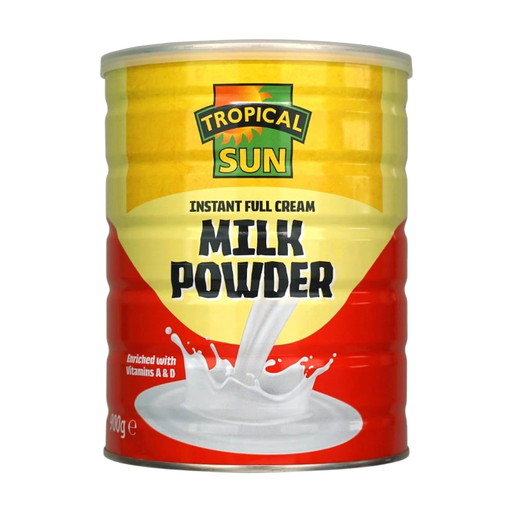
Tropical Sun Full Cream Milk Powder 900g
A powder option for cooking and desserts when you prefer to prepare milk as needed rather than keep a fresh bottle. It requires mixing with water; follow the pack’s instructions and check its milk and soya allergen information.
View on Joybuy
 No image available
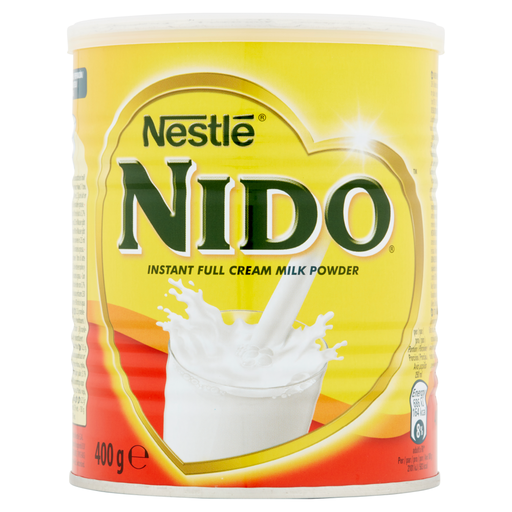
NIDO Instant Full Cream Milk Powder 400 g
This 400 g tin is described for cooking and baking and needs reconstitution before use. Check the tin for mixing, after-opening and allergen instructions; it contains milk and soya.
View on Joybuy
 No image available
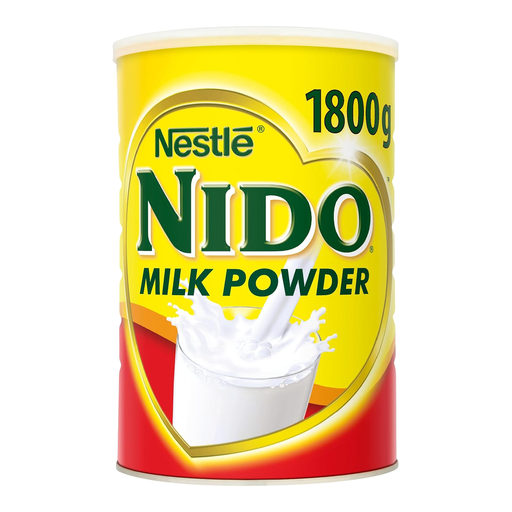
Nestlé Nido Instant Full Cream Milk Powder 1.8kg
A larger powder tin described for recipes and cooking, rather than a ready-to-use bottle. Confirm the preparation ratio on the tin before mixing and read its current allergen declaration, including any nut warnings.
View on Joybuy
 No image available
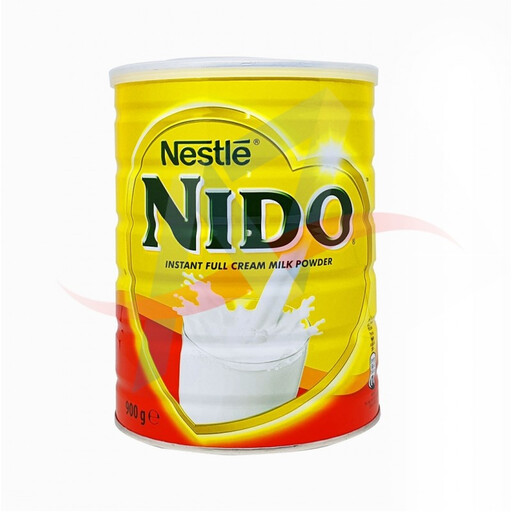
NIDO Nestle Whole Fat Instant Milk Powder 900 g
This powder is described for cooking and baking and must be mixed with water to prepare milk. Check the tin for the precise mixing ratio, after-opening instructions and milk and soya allergen information.
View on Joybuy
Questions about whole milk and easy-chew meals
Does an easy-chew meal mean ordinary whole milk is suitable for someone with dysphagia?
No. IDDSI classifies ordinary milk as a Level 0 thin liquid. If the person has been assessed as needing a different fluid consistency, follow their Speech and Language Therapist’s instructions rather than judging suitability by creaminess.
Which whole-milk format suits occasional cooking?
Compare the amount you expect to use with the exact pack’s after-opening instructions. M&S states 7 days for its filtered whole milk, Tesco says its 2.272L standard bottle is best within 5 days, and Sainsbury’s specifies 3 days for its 2.272L bottle. Follow the chosen pack’s storage directions.
Can milk be used to soften mashed potato?
Yes. NHS Lanarkshire’s soft-diet guidance includes mashed potato with butter and milk as an example. If the meal is for someone with swallowing difficulty, follow their individual advice about the finished texture.
What should I check when cooking for someone who avoids milk?
Read the current pack’s ingredients and allergen label before serving. The Food Standards Agency identifies milk as an allergen, and milk powders can contain other ingredients that also need checking.


