Families serving children aged 1 to 2
Age changes whether cow’s milk can be served as a main drink. NHS guidance says pasteurised cow’s milk can be given as a main drink from age 1; choose snacks and milk with the child’s age in mind.


Choose the milk format around how you will use and store it, rather than treating ‘mild’ as a defined type of whole milk. Plain fresh milk is ready to pour; a filtered carton may suit several snack days if its stated opened-life period fits your plans, while powder needs preparation. Lactose-free cow’s milk addresses a different need and still contains milk protein, so it is not a substitute for someone with a cow’s-milk-protein allergy.
Age changes whether cow’s milk can be served as a main drink. NHS guidance says pasteurised cow’s milk can be given as a main drink from age 1; choose snacks and milk with the child’s age in mind.
Match the carton to how quickly it will be used after opening. For example, Sainsbury’s states that its Cravendale filtered whole milk lasts up to 7 days once opened; follow the dates and storage instructions on the carton bought.
These call for different checks. Cambridge University Hospitals explains that lactose-free dairy products still contain milk protein and cannot be used by someone with a cow’s-milk-protein allergy.
Start with who will have the milk, then choose a format and pack that fit the snack routine. A preference for a mild flavour can be tested, but it does not tell you how a carton should be stored or whether it meets an allergen need.
| Priority | What to check | Your needs |
|---|---|---|
| Age | Check the child’s age and whether milk will be a main drink. The NHS says pasteurised cow’s milk can be a main drink from age 1. | If I am serving a child under 1, I need to follow infant-feeding guidance rather than offer ordinary cow’s milk as the main drink. |
| Flavour | Look at the actual milk type and ingredients rather than relying on ‘mild’ as a product category. A small carton lets you assess a personal taste preference without committing to a larger pack. | I want a plain milk whose flavour works with our usual cereal or snacks. |
| Freshness | Compare the use-by date, refrigeration instructions and stated period after opening. Sainsbury’s gives up to 7 days once opened for its Cravendale filtered whole milk; that period is specific to the product. | Milk may be opened for several snack days, so I want a carton we can use within its stated period. |
| Allergens | Read the milk and allergen information on the product. Lactose-free cow’s milk still contains milk protein; Arla lists milk in its LactoFREE Whole Milk Drink ingredients. | If cow’s-milk-protein allergy is known or suspected, I cannot treat lactose-free cow’s milk as an allergy substitute. |
| Pack and format | Choose a pack size for the amount you expect to use. Fresh milk is ready to pour; whole-milk powder needs preparation according to its pack directions. | For quick cereal or drinks, I prefer a ready-to-pour carton. For a cupboard option, I can allow time to prepare powder. |
| Snack pairing | Consider what food will accompany the milk and whether its texture is appropriate for the child. NHS snack examples for children over 12 months include fruit, toast and plain yoghurt. | I want milk to accompany a suitable snack, not to stand in for every snack occasion. |
Lactose-free cow’s milk still contains dairy protein. Cambridge University Hospitals states that people with cow’s-milk-protein allergy cannot use specialised lactose-free dairy products.
Check the allergen statement. If an allergy is known or suspected, seek advice from a healthcare professional rather than substituting lactose-free cow’s milk.
NHS guidance says pasteurised cow’s milk can be given as a main drink from age 1.
For a younger child, follow NHS infant-feeding guidance instead of making ordinary whole milk the routine drink.
A carton used across several snack days still needs to fit its use-by date and instructions for storage after opening.
Estimate the number of occasions you will use it for, then check the pack size and its stated opened-life period.
Milk left beyond those instructions may have to be discarded.
For children over 12 months, NHS guidance gives food examples for snacks between meals, including fruit, toast and plain yoghurt.
Serve milk alongside food that is appropriate for the child’s age and eating needs.
These examples help distinguish milk formats and product-specific instructions; a brand’s inclusion here does not establish that its products taste milder.
A filtered fresh whole-milk option for a household planning to use one carton over several days.
Own-label whole milk in different carton sizes for matching a purchase to planned use.
A retailer range with standard and organic whole-milk examples, alongside other milk formats.
A lactose-free whole-milk drink to consider when lactose, rather than milk protein, is the relevant issue.
A standard chilled whole-milk example with product-specific storage directions.
A retailer range showing standard and filtered whole-milk formats.
These are powdered whole-milk options for preparing milk for drinks or food. Each needs reconstitution rather than being a ready-to-pour chilled carton; check the pack directions and allergens before use.
 No image available
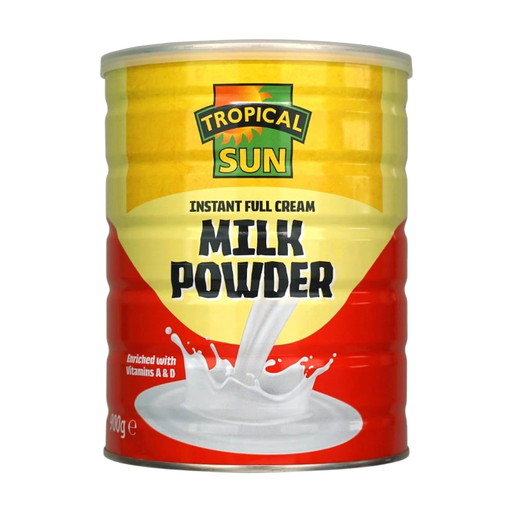
A powdered option for households willing to prepare milk for drinks or food. The pack is 900g and its title identifies vitamins A and D; follow the pack’s mixing, storage and allergen information, especially when serving a young child.
 No image available
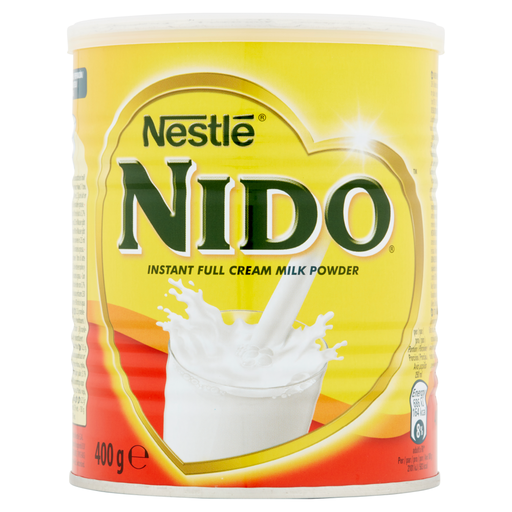
The 400 g pack offers a smaller powdered format for preparing milk or using it in food. Reconstitute it as directed, and check the pack for allergens and instructions for use after opening.
 No image available
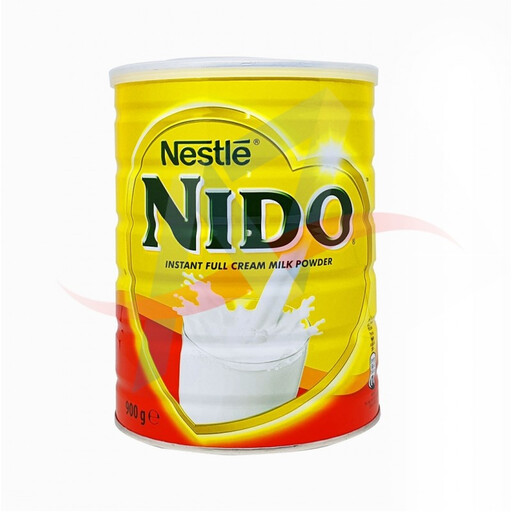
This 900 g powdered format needs preparation before serving. Check the actual pack’s storage and allergen statements carefully: the product information gives differing wording about hazelnuts and peanuts, which matters if either must be avoided.
 No image available
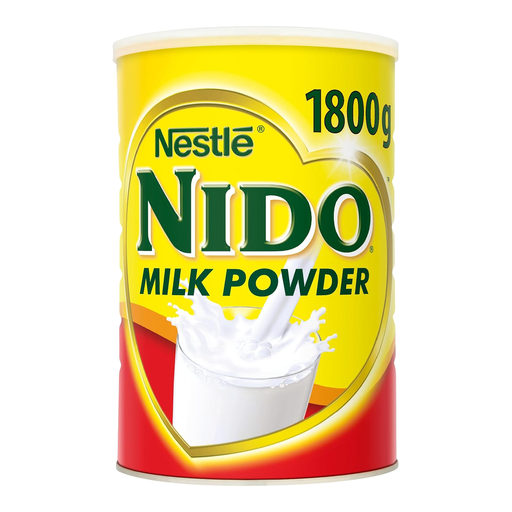
The 1.8kg powder is an option for households preparing milk for drinks or food rather than pouring it from a chilled carton. Check the pack’s mixing quantities before use, as the product information gives conflicting amounts; also check its allergen and storage directions.
Treat ‘mild’ as a personal flavour preference, not as a guarantee attached to standard, filtered or powdered whole milk. If taste is your deciding factor, trying a small carton of plain whole milk is more useful than assuming a format will taste a certain way.
No. NHS guidance says pasteurised cow’s milk can be given as a main drink from age 1. For a younger child, follow infant-feeding guidance rather than offering ordinary whole milk as the main drink.
No. Cambridge University Hospitals explains that specialised lactose-free dairy products still contain milk protein and cannot be used by someone with a cow’s-milk-protein allergy. Check the allergen statement and seek healthcare advice if an allergy is suspected.
Check the specific carton rather than assuming all filtered milk has the same opened-life period. Sainsbury’s states up to 7 days once opened for its Cravendale filtered whole milk; its date and refrigeration instructions still apply.