For a midnight snack, standard chilled whole milk makes sense if you will finish the bottle within its labelled storage period. If you use milk only occasionally, compare filtered bottles’ stated opened life: Cravendale’s product listing claims seven days after opening, while the reviewed Sainsbury’s standard whole milk specifies three days. The reviewed UK listings do not establish ‘mature’ as a whole-milk variety, so choose by the descriptor and instructions on the actual pack.
Who is each type of whole milk for?
How often you use milk matters more than the time of day: a bottle opened for one late-night drink still needs to fit the household’s usual consumption pattern.
Occasional late-night milk drinkers
If you open milk for cereal, hot chocolate or a drink but use it infrequently, compare the opened-life instructions before choosing a large bottle. Sainsbury’s reviewed standard whole milk specifies three days after opening; Tesco’s listing carries Cravendale’s claim of seven days for its filtered whole milk. Follow the label on the bottle you buy.
Households that use milk regularly
A multi-pint bottle may suit a household that will finish it within its labelled period. Check the pack size against what you normally use, rather than choosing a larger bottle solely because it contains more milk.
Shoppers choosing a particular descriptor
If British sourcing, free range, organic, filtered or unhomogenised milk matters to you, look for that wording on the exact product. The reviewed Waitrose range includes several of these options; the descriptors do not, by themselves, tell you how long an opened bottle will keep.
What should you check before choosing?
Start with how much milk you will use after opening, then check storage, the date mark and any processing or sourcing preference. A longer-life statement for one filtered bottle must not be applied to every filtered milk.
| Priority |
What to check |
Your needs |
| Opened life |
Read the exact bottle’s once-opened period and refrigeration instructions. Sainsbury’s reviewed standard milk says three days after opening and below 5°C; Tesco’s listing carries Cravendale’s seven-day claim for its filtered product. |
I only use a little milk at night, so I need a bottle I can finish within its labelled period. |
| Pack size |
Compare the amount in the bottle with your household’s likely use before the opened-life period ends. A larger pack is useful only if you can use it in time. |
Milk also goes into our daytime drinks and cereal, so a multi-pint bottle may fit our routine. |
| Nutrition label |
Compare values on the same basis, such as per 100g or per serving, and check the serving size. M&S lists 66kcal, 3.7g fat and 2.4g saturates per 100g for its reviewed British Whole Milk. |
I want to understand what the amount I pour contributes, rather than treating every serving as the same size. |
| Product type |
Check whether the pack says standard fresh, filtered, organic, free range or unhomogenised. These describe different attributes; none makes ‘mature’ a defined grade in the reviewed listings. |
A sourcing or processing description matters to me, so I want to check it on the particular bottle. |
| Date and allergens |
Check the date mark, storage directions and milk allergen declaration. GOV.UK distinguishes safety-related use-by dates from quality-related best-before dates; the Food Standards Agency identifies milk as an allergen. |
Before a late-night serving, I need to know that the milk suits everyone having it and has been stored as directed. |
What mistakes are worth avoiding?
-
Buying ‘mature’ as though it were a whole-milk grade
The reviewed UK whole-milk listings use terms such as filtered, organic, free range and unhomogenised, rather than establishing ‘mature’ as a variety. That word alone does not tell you which feature you are getting.
Decide whether you mean a stated longer opened life, a sourcing preference or a particular processing method, then check the corresponding description on the pack.
-
Choosing a large bottle without planning when to use it
A bottle opened for an occasional snack may still contain milk when its labelled opened-life period ends. The reviewed standard Sainsbury’s bottle specifies three days after opening, while Tesco’s Cravendale listing claims seven days for the reviewed filtered bottle.
Compare pack size and opened life with the amount your household is likely to use. Do not transfer either product’s timeframe to a different bottle.
-
Treating every date mark and storage instruction alike
GOV.UK says a use-by date concerns food safety, while a best-before date concerns quality. The instructions for refrigeration and use after opening also matter.
Read the bottle’s date and storage directions before using it. Where the pack instructs you to refrigerate after opening, GOV.UK says to keep it at 5°C or below.
-
Missing the milk allergen declaration
Cow’s whole milk contains milk. The Food Standards Agency identifies milk as an allergen that can pose a risk to someone with a milk allergy or intolerance.
Check the exact product label and choose a suitable alternative if milk must be avoided.
Which whole-milk ranges can you compare?
These brand and retailer examples show which descriptors appear in the reviewed UK ranges; check the particular pack for its current instructions and nutrition information.
Cravendale
Tesco lists Cravendale’s 2L fresh filtered whole milk as pasteurised, homogenised and standardised.
- The listing carries the brand’s claim of seven days once opened and up to three weeks unopened.
- Use the storage and date instructions on the bottle you buy; the claim is not a timeframe for other filtered milks.
Sainsbury’s
Sainsbury’s lists standard British whole milk in several pack sizes, including 1-, 2-, 4- and 6-pint options.
- Its reviewed 4-pint bottle is described as pasteurised, homogenised and standardised whole milk.
- That bottle instructs shoppers to keep it below 5°C and consume it within three days of opening.
M&S
M&S lists British Whole Milk and describes its own milk-sourcing programme as the Milk Pledge.
- The reviewed British Whole Milk lists 66kcal, 3.7g fat and 2.4g saturates per 100g.
- Its label says to refrigerate at 0°C to +5°C and that it is best consumed within three days once opened.
Waitrose
Waitrose lists free-range and filtered whole milk, alongside organic and unhomogenised products in its whole-milk range.
- The range lets shoppers compare processing and sourcing descriptions on individual products.
- Check each pack separately for its date mark, storage instructions and nutrition values.
Joybuy milk powder options
These whole-milk powders are options for preparing a drink when needed for a midnight snack. Both require mixing with water: they are not ready-to-pour chilled whole milk, so check each pack’s preparation and storage directions before use.
 No image available
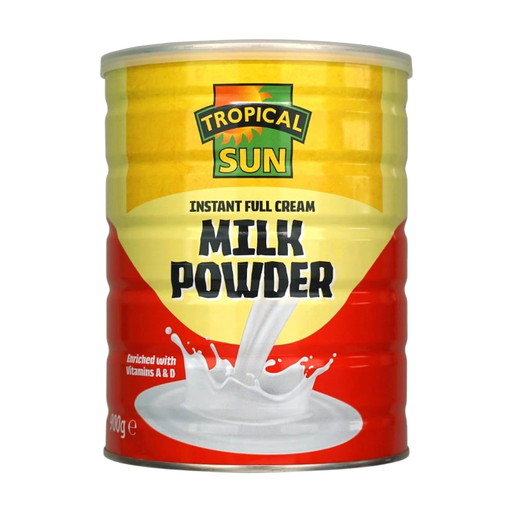
Tropical Sun Full Cream Milk Powder 900g
This powder offers a milk base to mix for a late-night drink, rather than a ready-to-pour chilled bottle. The product description gives mixing directions and says to keep the powder in a cool, dry place and use it within three weeks of opening. Follow the pack’s directions for any milk you prepare; the listed allergens include milk and soya.
View on Joybuy
 No image available
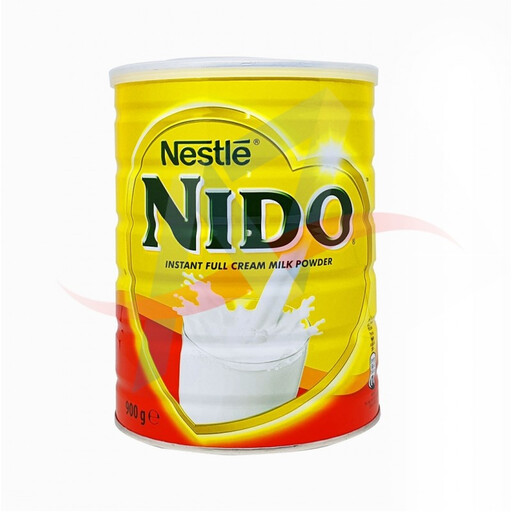
NIDO Nestle Whole Fat Instant Milk Powder 900g
This powder can be mixed as a single milk serving when needed, but it is not ready-to-pour chilled milk. Its preparation directions specify 35g of powder with water to make 250ml of milk. Check the pack for opened-product and prepared-milk storage instructions; the listed allergens include milk and soya.
View on Joybuy
Questions about whole milk
Is ‘mature’ a type of whole milk?
The reviewed UK whole-milk listings do not establish ‘mature’ as a product variety. They use descriptions such as filtered, organic, free range and unhomogenised instead. Check which of those attributes, if any, answers what you want from the milk.
How long can I keep whole milk after opening it?
Follow the period on the individual bottle. Sainsbury’s reviewed standard whole milk says to keep it below 5°C and consume it within three days of opening; Tesco’s listing carries Cravendale’s seven-day claim for its reviewed filtered whole milk. Neither period applies automatically to another product.
Can smell or taste replace checking the date mark?
No: check whether the milk has a use-by or best-before date and follow its storage instructions. GOV.UK says use-by dates relate to safety, while best-before dates relate to quality; do not rely on smell or taste to override a use-by date.
Is cow’s whole milk suitable if someone must avoid milk?
No. Cow’s whole milk contains milk, which the Food Standards Agency identifies as an allergen. Check the exact pack and choose a suitable alternative if milk must be avoided; the Joybuy milk powders shown here also list milk and soya as allergens.


