Households that use milk regularly
If milk goes into several breakfasts, drinks and meals each day, a 4- or 6-pint chilled bottle may fit the shop. Check that it will fit in the fridge and be used within its own date and storage instructions.


Choose a larger bottle of standard fresh whole milk if your household can use it within the date and storage instructions on that bottle. Filtered milk is worth considering when use is less predictable, but its freshness wording does not establish how long it will last in your fridge. Whole-milk powder can serve as a cupboard backup for drinks or cooking; it needs mixing and is not the same product as chilled milk.
If milk goes into several breakfasts, drinks and meals each day, a 4- or 6-pint chilled bottle may fit the shop. Check that it will fit in the fridge and be used within its own date and storage instructions.
A smaller fresh bottle may be easier to finish between shops. Filtered milk is another option to assess against its label instructions; powder offers a cupboard backup but must be prepared before use.
Age and dietary suitability matter alongside pack size. NHS guidance says pasteurised whole cows’ milk can be used with cereal for children over 12 months and recommends full-fat dairy products up to age two.
Decide how much chilled milk the family will use, then consider whether filtered milk or a prepared cupboard reserve serves a different need.
Consider it: When regular use makes a larger chilled bottle practical.
Trade-off: Unused milk still has to be discarded when it passes its use-by date.
Consider it: When milk use varies and the particular pack’s date and instructions suit your shopping pattern.
Trade-off: “Fresher for Longer” is product positioning, not a guarantee that your household will waste less.
Consider it: As a cupboard reserve for drinks or cooking when fresh milk runs out.
Trade-off: It needs preparation, and its ingredients and storage instructions differ from those of chilled milk.
| Priority | What to check | Your needs |
|---|---|---|
| Bottle size | Estimate use before the pack’s use-by date and check fridge space. The Sainsbury’s range includes 3.4L and 2.27L standard whole-milk bottles. | We use milk every day, so a larger chilled bottle could be manageable. |
| Storage | Follow the chosen product’s label. An M&S 2.272L whole-milk label specifies refrigeration at 0°C to +5°C and says it is best consumed within three days of opening. | If our use varies, I would rather choose a volume we can finish while following its storage instructions. |
| Filtered milk | Compare the pack size, use-by date and after-opening instructions with a standard bottle. Do not treat freshness wording as a substitute for those details. | Our shopping intervals are uneven, so I want to check whether a filtered pack fits them. |
| Cupboard reserve | Check powder ingredients, mixing directions and storage instructions. Joybuy’s Nestlé Nido 1.8kg listing gives 32.5g powder with 225ml water to make 250ml reconstituted milk. | Having milk powder for an occasional drink or recipe would help when the chilled bottle runs out. |
| Dietary suitability | Read the nutrition and allergen panels for the exact product. Healthier Together NHS distinguishes cow’s-milk protein allergy from lactose intolerance; lactose-free cow’s milk is not an allergy-safe substitute. | Different family members may need different products, so I need to check the pack rather than assume every whole-milk option suits everyone. |
A larger chilled bottle can leave more unused milk if consumption changes. The three-day after-opening advice on the checked M&S product applies to that product, not automatically to every bottle.
Estimate how much the family will use, then follow the date and storage instructions on the bottle you buy.
Any milk left beyond its applicable use-by date must be discarded.
Freshness wording alone cannot tell you whether a particular household will finish its milk in time.
Compare the filtered pack’s date, size and storage instructions with your usual pattern of use.
Food Standards Agency qualitative research found that some participants treated use-by dates as a guide, despite understanding what they meant.
Check the date when shopping, store milk as directed and do not rely on smell to override a use-by date.
Healthier Together NHS explains that cow’s-milk allergy concerns milk proteins, while lactose intolerance concerns lactose digestion.
For a person with cow’s-milk allergy, check ingredients and allergen information and do not assume lactose-free cow’s milk avoids milk protein.
These ranges illustrate different fresh-milk formats and processing choices; a brand name alone does not determine which pack fits your household.
Its listed British whole-milk range includes standard 2.27L and 3.4L bottles, alongside filtered options.
Its listed range includes 2.272L British whole milk and 2L filtered whole milk.
Retailer listings include 2L and 3L filtered whole-milk packs carrying the brand’s “Fresher for Longer” wording.
Its whole-milk listings include a 4-pint British free-range bottle and filtered options.
Its listed whole-milk formats include 2.272L and 3.408L bottles, as well as filtered and lactose-free options.
These powders are options for a cupboard reserve or cooking, rather than chilled fresh-milk bottles for the main family shop. Check each pack’s ingredients, preparation and storage directions before use.
 No image available
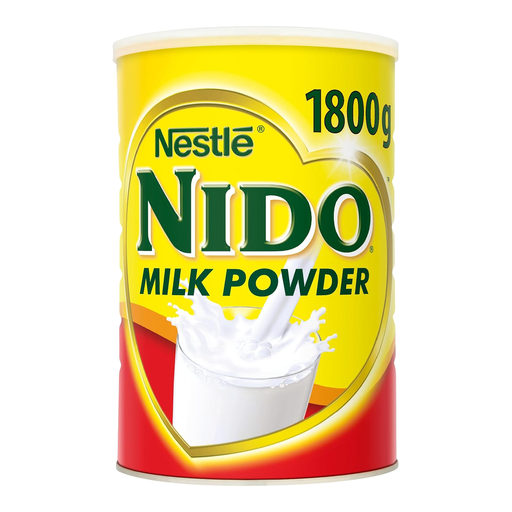
A 1.8kg powder option for keeping a reserve rather than another chilled bottle. Joybuy’s directions say to mix 32.5g powder with 225ml water to make 250ml reconstituted milk. The listed ingredients include whole milk and soya lecithin; check the tin’s full allergen statement, particularly if nuts are a concern.
 No image available
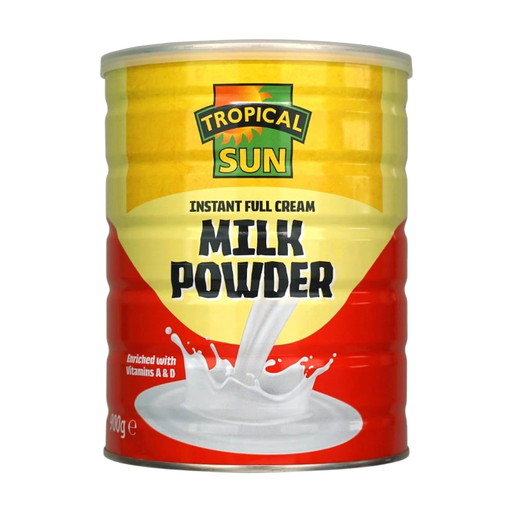
A 900g powder option to consider for drinks or cooking when fresh milk runs out. It needs mixing before it can be used as a drink; follow the pack’s preparation and after-opening storage directions.
 No image available
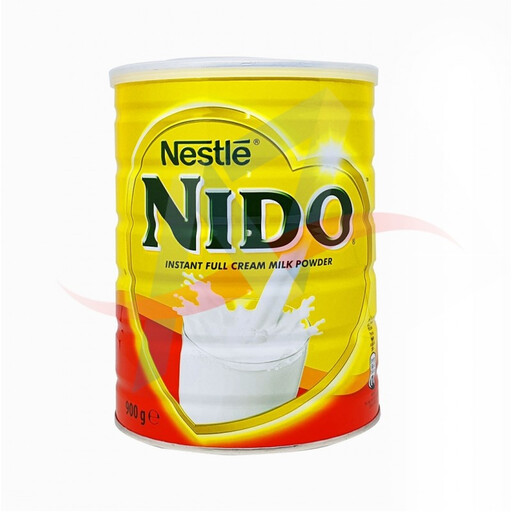
A 900g tin of instant milk powder for a prepared cupboard backup. It is not ready-to-pour chilled milk; check the tin for mixing instructions, allergens and storage directions after opening.
 No image available
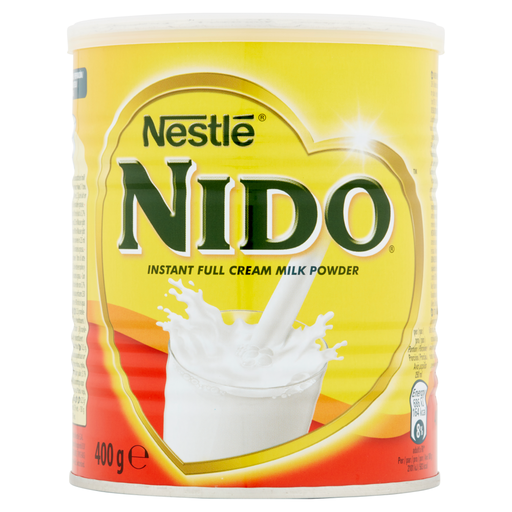
A 400g pack to consider when a smaller powder reserve fits the cupboard better. It requires preparation rather than pouring straight from the pack; follow its mixing and after-opening storage directions.
Do not assume it identifies a milk grade. The listed UK whole-milk ranges distinguish products by features such as bottle size, filtering, sourcing and homogenisation; check the particular product description to establish what a seller means by “mature”.
No. Choose a 6-pint bottle only if its volume fits your likely use, fridge space and labelled date. For an example of why after-opening instructions matter, the checked M&S 2.272L whole-milk product says to refrigerate it at 0°C to +5°C and that it is best consumed within three days of opening.
NHS guidance says pasteurised whole cows’ milk can be used with cereal for children over 12 months and recommends full-fat dairy products up to age two. Check individual dietary requirements rather than assuming one milk choice suits every child.
Do not assume so. Healthier Together NHS explains that cow’s-milk allergy involves milk proteins, whereas lactose intolerance concerns lactose digestion. A lactose-free cow’s-milk product may still contain milk proteins.
Food Standards Agency guidance cited in its research says pre-packed food can be frozen up to its use-by date and should be consumed within 24 hours of defrosting. Check the milk’s own label for freezing instructions, and do not use smell to override its use-by date.