Being retired does not, by itself, make whole milk the right choice: the NHS generally advises adults to choose lower-fat milk to limit saturated fat, while NHS dietetic guidance discusses whole milk in specific food-first plans for poor appetite or low weight. If whole milk suits the person’s needs, choose a bottle size and type that fit how quickly it will be used; a filtered product’s longer stated life is relevant only when its exact pack instructions suit that routine.
Who is this choice for?
Older adults following individual dietary advice
Whole milk may be discussed as part of a food-first plan for poor appetite or low weight, rather than chosen simply because of age. Oxford Health NHS Foundation Trust advises seeking personalised dietetic advice where swallowing difficulties, diabetes or specific dietary requirements apply.
People shopping for a small household
For one or two milk drinkers, the useful pack size depends on how much will be consumed after opening. A larger bottle may leave more to discard if use is irregular; check its opening instructions before choosing a size.
Family carers buying milk
Check which milk the person normally uses or has been advised to use, then read the chosen pack’s storage and opening instructions. The Food Standards Agency says use-by dates depend on following the stated storage directions.
What should you check before buying?
Decide whether whole milk is appropriate before comparing pack sizes, product types and storage instructions.
| Priority | What to check | Your needs |
|---|
| Milk type |
Compare whole and lower-fat labels. The NHS generally advises adults to choose lower-fat milk to limit saturated fat; individual food-first advice may call for a different approach. |
I’m buying for everyday use, or for someone following an individual dietary plan, and need the type to fit that purpose. |
| Pack size |
Check the volume and estimate how much the household will use within the pack’s opening instructions. Waitrose & Partners lists Essential British Free Range Whole Milk in both 1.136L and 2.272L formats. |
Milk is used slowly in our household, so a smaller bottle may leave less to discard. |
| Opening life |
Read the exact pack directions. Sainsbury’s lists three days after opening for its 2.272L British Whole Milk; Tesco carries Cravendale’s claim of seven days after opening for its 2L filtered whole milk. |
Shopping trips are infrequent, so I want to know whether the opened bottle fits the time between them. |
| Storage |
Follow the product’s refrigeration and use-by instructions. The Food Standards Agency says the use-by date is a valid guide only when the stated storage instructions are followed. |
Someone else may put the shopping away, so the storage directions need to be clear to both of us. |
| Product label |
Confirm whether the product is standard, filtered or powdered milk. Compare nutrition figures on the same stated basis, such as per 100ml of ready-to-drink milk; check preparation directions separately for powder. |
I want to know what I’m buying rather than relying on a broad description such as “mature”. |
What can lead to the wrong choice?
-
Choosing full-fat milk solely because the shopper is older
Age alone does not establish a need for whole milk. The NHS generally advises adults to choose lower-fat milk, while NHS dietetic food-first guidance addresses particular circumstances such as poor appetite or low weight.
Establish whether this is an everyday choice or part of individual dietary advice. The NHS advises seeing a GP if someone keeps losing weight without trying.
-
Buying a large bottle without considering use after opening
A household that uses little milk may discard part of a bottle. Opening instructions also differ between products: Sainsbury’s specifies three days for its 2.272L whole milk, while Tesco lists Cravendale’s seven-day claim for its 2L filtered whole milk.
Match the volume and stated opening life to the amount likely to be used, rather than choosing on bottle size alone.
-
Using “mature” as the product description
That word does not tell a shopper whether a pack contains standard whole milk, filtered milk, a lower-fat option or milk powder.
Check the product type, nutrition label, pack size and preparation or storage directions against the person’s actual requirements.
Which brand ranges are relevant?
These examples help distinguish formats and pack instructions; a brand name alone does not establish which milk suits an individual.
Cravendale
A filtered fresh whole-milk option for shoppers considering how long a bottle will last between trips.
- For the 2L filtered whole milk listed by Tesco, Cravendale claims up to three weeks unopened and seven days after opening; follow the instructions on the pack bought.
- It remains whole milk. Check its nutrition label against any need to limit saturated fat rather than treating filtering as a lower-fat choice.
Sainsbury’s
Its British Whole Milk listing provides a standard chilled option with specific opening and refrigeration directions.
- Sainsbury’s lists 66kcal, 3.7g fat, 2.4g saturates and 3.5g protein per 100ml for its 2.272L bottle.
- The same listing says to refrigerate below 5°C and consume within three days of opening; consider whether the household will use that volume in time.
Waitrose
Its listings include different whole-milk pack sizes and product types, allowing shoppers to check the precise format they want.
- Waitrose & Partners lists Essential British Free Range Whole Milk in 1.136L and 2.272L formats.
- Its broader whole-milk range includes filtered and other variants; check the individual label rather than assuming the same storage or nutrition details across them.
Joybuy powdered-milk option
This powdered whole-milk option is for shoppers who want milk they can prepare for drinks or cooking; it is not a ready-to-drink standard or filtered chilled bottle.
 No image available
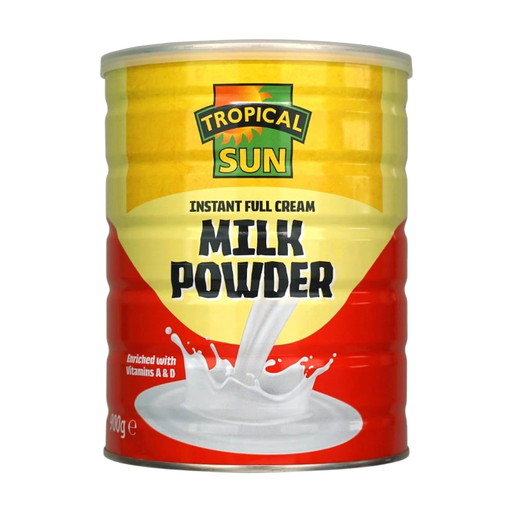
Tropical Sun Full Cream Milk Powder 900g
Consider this 900g milk powder if preparing milk as needed fits your routine. The product name states that it contains added vitamins A and D; it requires mixing rather than pouring straight from a chilled bottle. Check the pack’s preparation, storage, allergen and nutrition information, particularly if the milk is intended for an individual dietary plan.
View on Joybuy
Common questions
Should everyone who is retired switch to whole milk?
No. The NHS generally advises adults to choose lower-fat milk because too much saturated fat can contribute to high cholesterol. NHS dietetic guidance discusses whole milk in specific food-first plans for poor appetite or low weight, rather than as a choice based on age alone.
What if an older adult is losing weight without trying?
A change of milk should not replace assessment: the NHS advises seeing a GP if someone keeps losing weight without a change in diet or exercise. Discuss any food-first approach in the context of that person’s needs, particularly if they have swallowing difficulties or specific dietary requirements.
How long does opened whole milk last?
Follow the instructions on the exact bottle. Sainsbury’s lists three days after opening for its 2.272L British Whole Milk, while Tesco carries Cravendale’s claim of seven days for its 2L filtered whole milk. The Food Standards Agency says use-by dates depend on following the stated storage directions.
Is a larger bottle suitable for someone living alone?
It can be, if the person will use it within the bottle’s opening instructions. Otherwise, compare a smaller pack or a filtered product with a stated opening life that better fits the household’s routine; do not assume every filtered milk has the same directions.


