What should you check before buying?
Start with the reason for choosing milk: routine use, a professionally advised food-fortification plan or a format that fits how quickly the household uses it.
| Priority |
What to check |
Your needs |
| Energy and protein |
Compare energy and protein using the same amount of milk as consumed. Sainsbury’s lists 66 kcal and 3.5 g protein per 100 ml for its West Country whole milk; Waitrose lists 70 g protein per litre for SuperNutrio High Protein Fresh Whole Cow’s Milk. |
If my appetite is poor, I want to know whether whole milk fits the food-fortification advice I have been given, rather than choosing a higher-protein product on its name alone. |
| Saturated fat |
Read saturates per 100 ml on ready-to-drink milk and compare like-for-like figures. Sainsbury’s lists 2.4 g per 100 ml for its West Country whole milk. The NHS advises lower-fat milk for adults aiming to reduce saturated fat. |
For everyday drinks and cereal, I may prefer lower-fat milk if limiting saturated fat is my priority. |
| Pack and storage |
Match pack size to likely use. Check refrigeration, the date on the pack and its after-opening period; Waitrose instructs buyers of its 568 ml Essential whole milk to keep it below 5°C and consume it within 3 days of opening. |
Milk is used slowly in my household, so I want a pack we can finish within its labelled period. |
| Milk type and safety |
Check whether the milk is pasteurised, fresh, filtered or powdered; these formats are not interchangeable in storage or preparation. The Food Standards Agency advises older people not to consume raw drinking milk. |
I want a pasteurised option and clear instructions for storing or preparing the particular product I buy. |
Which brands and retailers offer relevant options?
These examples show different formats and label details to compare; a retailer’s range does not determine which milk suits an individual.
Cravendale
Tesco lists Cravendale filtered fresh whole milk in its whole-milk range.
- Consider a filtered fresh format if storage convenience matters.
- Check the particular pack’s nutrition and after-opening instructions; filtering alone does not establish an advantage for an older person’s nutritional needs.
Tesco
Tesco’s whole-milk range lists standard and filtered own-label milk alongside Cravendale and SuperNutrio.
- The listed formats allow shoppers to compare standard, filtered and higher-protein choices.
- Use the current product label to compare nutrition and storage directions for the item being purchased.
Sainsbury’s
Sainsbury’s lists West Country Whole Milk in a 568 ml pack.
- Its listing gives a clear comparison point: 66 kcal, 3.5 g protein and 2.4 g saturates per 100 ml.
- Those figures describe this product, not every whole milk or a milk formulated specifically for older adults.
M&S
M&S describes its Filtered Whole British Milk as fresh whole milk that stays fresher for longer.
- A filtered fresh format is worth checking when milk is used slowly.
- The storage claim does not establish a nutritional advantage; follow the specific pack’s date and opened-pack instructions.
Waitrose
Waitrose lists a 568 ml Essential whole milk and SuperNutrio High Protein Fresh Whole Cow’s Milk.
- The smaller fresh pack offers a pack-size choice; Waitrose states 70 g protein per litre for SuperNutrio when protein density is a specific consideration.
- Check each product separately: the Essential pack says to consume it within 3 days of opening, while a higher-protein label does not make a product suitable for everyone.
Whole-milk powder options on Joybuy
These are full-cream milk powders to prepare as drinks or use in food, not fresh ready-to-drink whole milk. If choosing one for an older person, compare the prepared milk’s label information and the pack’s preparation and storage directions with that person’s needs.
 No image available
Tropical Sun Full Cream Milk Powder 900 g
A powdered option for a household that wants to prepare milk as needed rather than buy fresh milk. The 900 g pack requires reconstitution; check its mixing, allergen and after-opening instructions before use.
View on Joybuy
 No image available
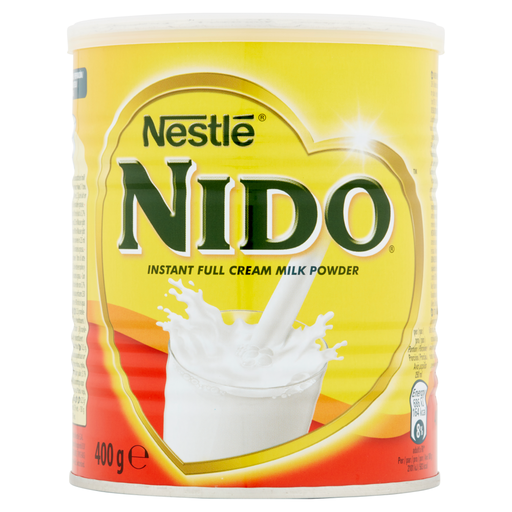
NIDO Instant Full Cream Milk Powder 400 g
The 400 g tin is a smaller powder pack to consider when household use is limited. It needs preparation before drinking; check the tin for mixing directions, allergens and how to store it after opening.
View on Joybuy
 No image available
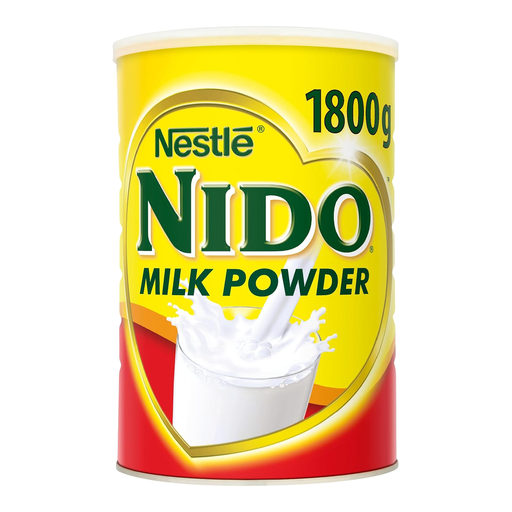
Nestlé Nido Instant Full Cream Milk Powder 1.8 kg
The 1.8 kg tin is a larger powder format to consider where prepared milk is used regularly. It is not ready-to-drink milk; use the directions on the pack for the mixing ratio and check its after-opening storage instructions.
View on Joybuy
No image available
NIDO Nestle Whole Fat Instant Milk Powder 900 g
This 900 g tinned whole-milk powder is an option for preparing milk rather than storing fresh milk. Check the pack’s mixing and storage directions, and compare nutrition for the prepared drink if that is the reason for choosing it.
View on Joybuy
Frequently asked questions
Should an older person always drink whole milk?
No. The NHS advises lower-fat milk for adults aiming to reduce saturated fat. Whole milk can serve a different purpose in a professionally guided food-fortification approach for poor appetite or weight loss, so the reason for choosing it matters more than age alone.
What should I compare on a whole-milk label?
Compare energy, protein and saturates on the same per-100 ml basis for ready-to-drink milk, alongside pack size, allergens and storage directions. For example, Sainsbury’s lists 66 kcal, 3.5 g protein and 2.4 g saturates per 100 ml for its West Country whole milk; powder figures need to be interpreted according to how the drink is prepared.
Can whole milk be fortified without making a larger drink?
Yes, when food fortification is appropriate for the person. West Suffolk NHS Foundation Trust gives an example of whisking 60 g dried skimmed milk powder into 568 ml whole milk; follow the advice given for the individual rather than treating fortification as a routine change for everyone.
When does unintended weight loss need medical advice?
The NHS advises seeing a GP if someone has unintentionally lost a lot of weight over the last 3 to 6 months. Changing milk alone does not establish the cause or replace an assessment.
Is raw drinking milk suitable for older adults?
No. The Food Standards Agency advises older people not to consume raw drinking milk. Choose pasteurised milk instead and follow the product’s storage and date instructions.


