People using milk regularly
If milk goes into your drinks, cereal, porridge or cooking, protein per 100ml helps you compare what each choice contributes at your usual serving size.


Choose whole milk by its protein per 100ml, not by the word “mature”: Waitrose & Partners lists SuperNutrio high-protein whole milk at 7g per 100ml and its Essential whole milk at 3.5g. If you want more protein from the same volume, compare high-protein varieties with ordinary milk while also checking energy and fat. Filtered milk addresses a different concern—storage life—rather than necessarily providing more protein.
If milk goes into your drinks, cereal, porridge or cooking, protein per 100ml helps you compare what each choice contributes at your usual serving size.
If you prefer whole milk but are planning your overall intake, check energy and fat alongside protein rather than choosing by the protein figure alone.
Lactose content and storage instructions may decide the choice. Neither a lactose-free label nor filtration, by itself, tells you that a milk has more protein.
Start with the nutrition panel for the amount you will actually use, then check whether storage or lactose requirements change which product is suitable.
| Priority | What to check | Your needs |
|---|---|---|
| Protein | Compare grams per 100ml on the same basis. Waitrose & Partners lists 7g for SuperNutrio high-protein whole milk and 3.5g for Essential whole milk; check how much milk you use per serving. | I want more protein from the milk I already use, without assuming that every whole milk provides the same amount. |
| Energy and fat | Read energy and fat per 100ml as well as protein. Waitrose & Partners lists 81kcal for SuperNutrio and 66kcal for Essential whole milk per 100ml; compare the current labels for your chosen products. | If I use milk several times a day, I want to account for it in my wider eating plan. |
| Lactose and allergens | Check the lactose statement and the milk-allergen declaration separately. Waitrose & Partners lists Arla LactoFREE whole milk drink as containing less than 0.03% lactose and says it is not suitable for people with a milk allergy. | I need to distinguish avoiding lactose from avoiding milk proteins before choosing a dairy product. |
| Storage life | Compare unopened-life claims, use-by dates and instructions after opening for the exact product. Arla says Cravendale filtered whole milk stays fresh for up to three weeks unopened; ASDA lists 3.4g protein per 100ml for its Cravendale product. | Milk sometimes stays in my fridge for several days, so storage instructions matter more to me than a higher protein concentration. |
The difference can matter at the same serving size: Waitrose & Partners lists 7g protein per 100ml for SuperNutrio high-protein whole milk and 3.5g for its Essential whole milk.
Compare the protein line per 100ml on the product you intend to buy, then apply it to the amount you normally use.
“Mature” does not give you a measurable protein value for the whole-milk choices described here. The product labels instead distinguish options such as filtered, lactose-free and high-protein milk.
Use the nutrition panel and storage or suitability information to make the comparison.
Removing or reducing lactose does not remove milk proteins. Waitrose & Partners states that Arla LactoFREE whole milk drink is not suitable for people with a milk allergy.
If milk allergy is relevant, check the allergen declaration rather than substituting lactose-free dairy on that basis.
A specifically high-protein whole-milk example for comparing protein from the same volume of milk.
Filtered whole milk for shoppers interested in the product’s stated unopened storage life.
An ordinary whole-milk reference point when comparing nutrition panels.
A whole-milk drink to consider when lactose, rather than milk protein, is the suitability question.
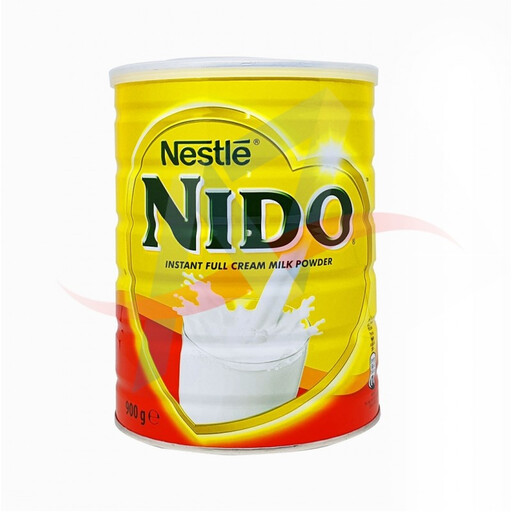
This whole-fat milk powder is an option if you are willing to prepare milk from powder rather than buy ready-to-drink fresh whole milk. Compare nutrition for the prepared drink when deciding whether it fits your protein needs.
 No image available
For drinks or cooking when mixing milk from powder suits your routine, this is a 900 g whole-fat instant milk powder, not ready-to-drink fresh milk. Follow the pack’s mixing instructions and compare protein and energy for the prepared serving; check its allergen declaration if milk or soya is a concern.
No protein level follows from the word “mature” for the whole-milk products discussed here. Compare protein per 100ml on the label, then check energy, fat and any storage or lactose requirements that matter to you.
The examples differ slightly: Waitrose & Partners lists 3.5g protein per 100ml for Essential whole milk, while ASDA lists 3.4g per 100ml for Cravendale filtered whole milk. Check your chosen pack and multiply its per-100ml figure by the amount you use.
No. Waitrose & Partners lists 81kcal per 100ml for SuperNutrio high-protein whole milk, compared with 66kcal per 100ml for its Essential whole milk. Compare both figures for the products and serving sizes you are considering.
Not on the basis of its lactose-free label. Waitrose & Partners explicitly says its Arla LactoFREE whole milk drink is not suitable for people with a milk allergy; check the allergen declaration for the exact product.
Follow the use-by date and storage instructions on the particular pack. Arla claims up to three weeks unopened for Cravendale filtered whole milk; Waitrose & Partners states up to one month unopened and seven days after opening for its own filtered whole milk. Those claims are product-specific, not a storage rule for all filtered milk.