Cooks making milk-based sides
If your roast dinner includes mash, white sauce or cauliflower cheese, work out how much milk those recipes need before choosing a pack. Milk for these dishes does not replace the fat specified for roasting potatoes.


For roast-dinner mash or sauces, choose whole milk by the amount your recipes need and when you will open it, rather than relying on ‘mature’ as a milk type. Sainsbury's says to use its 1.13L fresh milk within three days of opening, while Cravendale says its 2L filtered milk lasts seven days once opened. Check the instructions on the bottle you buy and whether you can use what remains.
If your roast dinner includes mash, white sauce or cauliflower cheese, work out how much milk those recipes need before choosing a pack. Milk for these dishes does not replace the fat specified for roasting potatoes.
If you are buying milk several days before cooking, compare the unopened and opened-life instructions. Tesco Groceries lists Cravendale's claim that its 2L filtered whole milk lasts up to three weeks unopened and seven days once opened; follow the bottle's storage instructions.
If a guest has lactose intolerance or a cow's-milk allergy, check what they can have before planning a milk-based dish. The NHS distinguishes lactose intolerance from food allergy; they are not interchangeable considerations when choosing ingredients.
Start with the dishes and quantity, then compare bottle-specific storage instructions with the day you plan to cook.
| Priority | What to check | Your needs |
|---|---|---|
| Recipe use | Check which dishes call for milk and how much each requires. Choose the roasting fat separately: Good Food's roast-potato recipe specifies vegetable oil for the tin. | Milk is for my mash or sauce; I am not choosing it to roast the potatoes. |
| Pack size | Compare the recipe total with the bottle volume and any other planned uses. Sainsbury's lists a 1.13L bottle; Tesco Groceries and Waitrose also list larger whole-milk packs. | A smaller bottle may cover one meal, while several milk-based dishes could call for more. I can choose a size based on what I expect to use. |
| Storage window | Read both the unopened date and the instructions after opening. Sainsbury's specifies three days after opening for its 1.13L milk; Cravendale claims seven days for its 2L filtered milk. | If I shop ahead, the bottle needs to fit my cooking date and my plans for any milk left over. |
| Milk type | Compare the actual product description, such as standard fresh or filtered whole milk, rather than using ‘mature’ as a shortcut. Check the label for the processing style and storage instructions. | I want to know what differs between the bottles I am considering, not assume a name predicts how a sauce will turn out. |
| Ingredients | Check the milk declaration and every other ingredient in the finished dish. The NHS distinguishes lactose intolerance from food allergy. | Before serving a guest with a dietary restriction, I need to know which ingredients they can have. |
Milk may be needed for mash or a sauce, but it does not fill the same role as the fat in a roast-potato recipe. Good Food's roast-potato method uses vegetable oil in the tin.
List the ingredients for the potatoes and the milk-based accompaniments separately.
Instructions differ: Sainsbury's says to use its 1.13L whole milk within three days of opening, whereas Cravendale claims seven days for its 2L filtered milk.
Match the pack to the meal and other planned uses, then follow that bottle's refrigeration and opening instructions.
A pack you cannot use within its labelled period may leave milk to discard.
The NHS distinguishes food intolerance from food allergy. A change intended for someone with lactose intolerance should not be assumed suitable for someone with a cow's-milk allergy.
Ask the diner about their requirements and check the ingredients of the milk and every dish you plan to serve.
The cited retailer choices distinguish whole milk by descriptions such as standard fresh and filtered; ‘mature’ does not tell you the pack size, processing or storage instructions.
Compare the details on the specific bottles instead of choosing from the search term alone.
These examples show how particular whole-milk listings differ; each storage instruction applies to the named product, not an entire range.
A filtered fresh whole-milk option for shoppers planning when to open a 2L bottle.
Its whole-milk category includes a 2.272L British whole milk and a 2L Cravendale filtered option.
Its 1.13L British whole milk is a smaller fresh-bottle example for planning a meal.
Its whole-milk category includes a 2.272L Essential British Free Range bottle and a 2L filtered option.
Its British Whole Milk listing provides storage details for a 2.272L bottle.
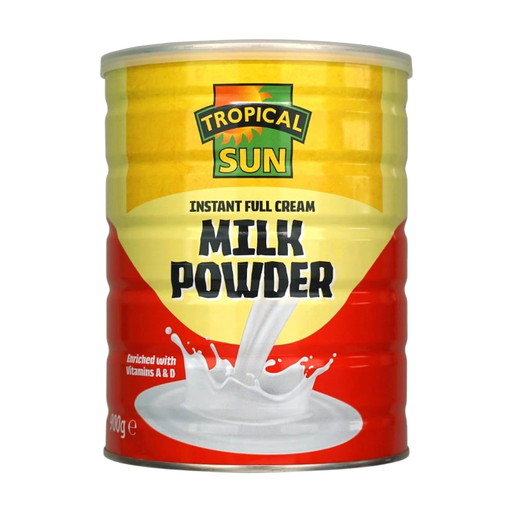
This option is whole-milk powder for cooking when you can mix it before use. It is not a ready-to-pour bottle of fresh milk.
 No image available
For a sauce or other cooked dish where you can prepare the milk first, this 900g powder is an alternative to ready-to-pour fresh milk. Check the mixing instructions and any milk composition your recipe requires. The product information identifies milk and soya lecithin among its ingredients.
Choose by the product details instead. The cited Tesco and Waitrose listings distinguish options such as standard and filtered whole milk; ‘mature’ does not specify the processing, pack size or storage window you need for a roast dinner.
Use it where your recipe calls for milk, such as in mash or a sauce. Choose the roasting fat separately: Good Food's roast-potato recipe uses vegetable oil in the roasting tin.
Follow the instructions on the bottle you buy. Sainsbury's specifies refrigeration below 5°C and use within three days after opening for its 1.13L whole milk. The Food Standards Agency says a use-by date is a valid guide only when the food's storage instructions are followed.
Do not assume one substitution addresses both needs. The NHS distinguishes lactose intolerance from food allergy. Confirm what the guest can have and check the milk and all other ingredients in the dish.
Not in the case of the cited Cravendale product: its Tesco Groceries listing describes it as fresh filtered milk and says it is not UHT. Check the exact bottle's processing and storage instructions rather than assuming all filtered products are alike.