Solo cooks who use milk occasionally
If milk goes into an occasional bowl of porridge, sauce, scrambled eggs or hot drink, compare the amount you will use with the bottle’s size and instructions after opening.


For occasional one-person meals, a 568ml fresh whole-milk pack is a sensible starting point if you can finish it within the label’s instructions; Asda and Waitrose list that size. Cravendale’s filtered whole milk has a stated seven-day life after opening, but its 1L bottle still needs to match how much you use. If “mild” means lower fat rather than a particular flavour, compare semi-skimmed milk instead of assuming another whole-milk brand will taste milder.
If milk goes into an occasional bowl of porridge, sauce, scrambled eggs or hot drink, compare the amount you will use with the bottle’s size and instructions after opening.
Standard whole milk is a different buying choice from products described as Jersey or unhomogenised. Neither the brand nor the word “mild” guarantees how a milk will taste to you.
Ordinary cow’s milk contains lactose, and milk is an allergen. A smaller portion or a lactose-free dairy product should not be assumed suitable for someone with a milk allergy; check the product label.
Decide whether you need a smaller whole-milk bottle, a longer stated life after opening or a different fat level, then check the individual pack against how much you will use.
| Priority | What to check | Your needs |
|---|---|---|
| Pack size and opened life | Waitrose lists a 568ml whole milk to use within three days of opening. Its Cravendale listing describes a larger, filtered 1L milk with a stated seven days after opening. Check the use-by date and instructions on the pack you buy. | I use milk for one meal at a time and want to finish the rest within the labelled period. |
| Fat level and flavour | Milk.co.uk lists 3.7g fat per 100ml for whole milk and 1.8g per 100ml for semi-skimmed milk. A lower fat level is a clearer choice than a brand name if “mild” means less rich, but it does not guarantee a particular flavour. | For my sauce, porridge or drink, am I after whole milk or a less rich result? |
| Dates and refrigeration | Follow the bottle’s storage and after-opening instructions. GOV.UK explains that a use-by date concerns safety, while a best-before date concerns quality, and advises keeping refrigerated food at 5°C or below. | Milk may sit in my fridge between meals, so I need to check the date and storage instructions before using what remains. |
| Lactose and allergens | Ordinary dairy milk contains lactose, as the NHS explains. The Food Standards Agency identifies milk as an allergen; check the ingredient and allergen declaration, including on lactose-free dairy products. | I need to know whether a product contains milk or lactose rather than assuming a smaller pack changes what is in it. |
That word alone does not establish how a particular whole milk will taste, especially when comparing standard milk with speciality styles.
Decide whether you mean unflavoured whole milk or a lower-fat result. If fat level is the issue, compare whole and semi-skimmed milk rather than relying on a brand name.
A smaller bottle and a longer stated life after opening solve different problems: Waitrose’s 568ml whole milk says to use it within three days of opening, while its Cravendale filtered milk listing states seven days.
Estimate how much your meals will use during the labelled period, then compare both bottle size and the instructions on the actual pack.
Lactose intolerance and milk allergy are different. The Food Standards Agency identifies milk as an allergen, so a lactose-free dairy label does not by itself answer a milk-allergy question.
Check the allergen declaration on the specific product rather than relying on “lactose-free” alone.
The date and instructions on the bottle you receive govern how that milk should be stored and used.
Check its allergen declaration, date, refrigeration instructions and consume-within period when you buy it and before using the remainder.
Its filtered whole milk is worth comparing with a small fresh bottle when a longer stated storage life would suit your cooking pattern.
Tesco lists own-brand whole milk in several pack sizes, allowing a comparison based on expected use.
Sainsbury’s lists a British Whole Milk 1.13L (2 pint) bottle for shoppers who expect to use more than a one-pint pack.
Asda lists a 568ml British whole milk for shoppers considering a smaller fresh bottle.
M&S describes a fresh-milk range spanning one-pint to four-pint sizes, alongside filtered and other milk styles.
Waitrose lists a 568ml Essential British Free Range Whole Milk with specific storage instructions.
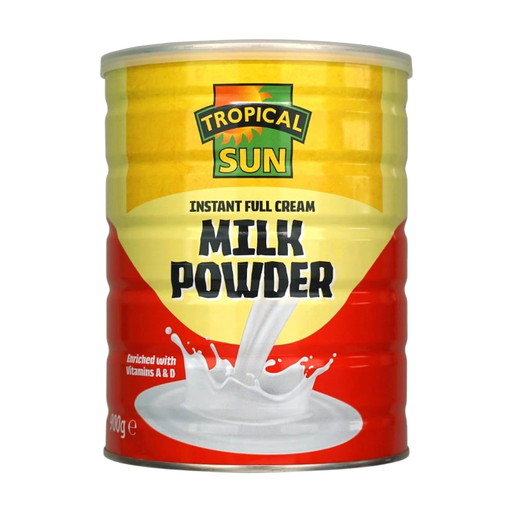
This whole milk powder is an alternative to buying a fresh liquid bottle for occasional cooking. It requires mixing, so check whether that preparation and its flavour suit your meal rather than assuming it is a mild-tasting fresh milk.
 No image available
For occasional cooking, this powder offers a way to prepare milk when needed, but it requires mixing rather than pouring straight from a fresh-milk bottle. The product name states that it is enriched with vitamins A and D; check the pack for preparation, storage and allergen instructions.
No. The 568ml one-pint bottles listed by Asda and Waitrose are retail pack sizes, not measured amounts for one recipe. Use what the meal requires and follow the bottle’s instructions for the remainder.
Compare semi-skimmed with whole milk if you mean lower fat, rather than expecting a different whole-milk brand to deliver a particular flavour. Milk.co.uk lists 1.8g fat per 100ml for semi-skimmed milk and 3.7g per 100ml for whole milk; changing category may also change the result in your recipe.
It may suit you if its stated life after opening matches how often you use milk. Waitrose’s Cravendale listing states seven days after opening for its filtered whole milk, but its 1L size and the instructions on the pack still matter.
No. Ordinary cow’s milk contains lactose, as the NHS explains. Lactose intolerance is different from milk allergy, so check the specific product’s ingredient and allergen declaration rather than assuming a smaller pack or a lactose-free dairy product addresses both concerns.
A use-by date concerns food safety, while a best-before date concerns quality, according to GOV.UK. Follow the milk’s date and storage instructions, including any period stated for use after opening.