Carers of children aged 12 months to under 2
Age matters when milk is served as a drink rather than used in food. NHS guidance recommends full-fat dairy products up to age 2.


For school-holiday breakfasts and snacks, choose standard fresh whole milk if your household will use it within the pack’s opened-life instructions. Consider filtered fresh milk when a longer stated opened-life fits your routine, or UHT milk when you need an unopened cupboard back-up; Tesco’s fresh and UHT products and Sainsbury’s filtered product have different instructions once opened. If the milk is for a young child, NHS guidance says cow’s milk can be offered as a drink from 12 months, while a child with cow’s-milk allergy needs separate professional advice.
Age matters when milk is served as a drink rather than used in food. NHS guidance recommends full-fat dairy products up to age 2.
If milk will be opened repeatedly for cereal, porridge, hot chocolate or cooking, compare the pack’s opened-life instruction with how quickly your household is likely to use it.
A UHT carton can be useful between grocery shops or for self-catering plans when chilled storage before opening is inconvenient. Its storage requirements change once it is opened.
Start with who will consume the milk, then match the format and pack size to your refrigeration space and likely use across the holiday.
| Priority | What to check | Your needs |
|---|---|---|
| Child’s age | Check whether the milk is for cooking, food or a drink. The NHS says pasteurised whole cow’s milk can be used in food from around 6 months, but not offered as a drink until 12 months; it recommends full-fat dairy up to age 2. | “Is this going into a baby’s food, or will a child drink it?” The distinction matters more than the choice between fresh, filtered and UHT. |
| Storage and opened life | Read the instructions for the exact pack. Tesco says its 1.13L fresh milk is best within 5 days of opening; Sainsbury’s says to use its 2L filtered milk within 7 days; Tesco says to refrigerate its 1L UHT milk and use it within 3 days once opened. | “We use milk for several breakfasts, but might not finish a large bottle quickly.” A longer stated opened-life may suit that pattern, provided the milk can be stored as directed. |
| Cupboard back-up | Check storage instructions before and after opening. Tesco directs shoppers to keep its unopened UHT whole milk in a cool, dry place, then refrigerate it after opening. | “I want milk available before the next shop or for a self-catering trip.” An unopened UHT carton addresses that need; it does not remain cupboard-stable after opening. |
| Milk allergy | Read allergen labels on milk and other snack ingredients. The British Dietetic Association Food Allergy Specialist Group and Sheffield Children’s NHS Foundation Trust explain that cow’s-milk allergy involves milk proteins and requires assessment by an appropriately trained healthcare professional. | “A child may have a cow’s-milk allergy.” Switching between standard, filtered and UHT cow’s milk does not make it a milk-free choice. |
| Pack size and texture | Compare pack sizes with likely use before the date and opened-life limit. If texture matters, Waitrose describes its Duchy Organic unhomogenised whole milk as a product in which cream naturally rises to the top. | “Will we finish this bottle, and do we want cream that separates?” Those questions can matter more than choosing the largest pack or treating every whole milk as interchangeable. |
That wording does not tell you whether a milk is fresh, filtered, UHT or unhomogenised, or how it should be stored.
Use the format, ingredients and storage instructions on the particular pack to narrow the choice for your snacks.
A bottle that lasts longer in the fridge is only useful if your household can finish it within its date and opened-life instructions. Tesco’s standard fresh pack, Sainsbury’s filtered pack and Tesco’s UHT pack state different periods after opening.
Think through breakfasts, drinks and cooking across the week before choosing a size; check how much milk each use will require.
Filtering or UHT processing does not turn cow’s milk into an alternative for someone with cow’s-milk allergy. The British Dietetic Association Food Allergy Specialist Group and Sheffield Children’s NHS Foundation Trust describe the allergy as a reaction to milk proteins.
If allergy is suspected or diagnosed, follow advice from an appropriately trained healthcare professional and check food labels before serving.
These retailer and brand examples show how pack format and instructions can differ; check the current label for the product you choose.
Tesco lists standard fresh and UHT British whole milk, offering two different storage arrangements.
Sainsbury’s lists both standard and filtered fresh British whole milk.
Tesco lists Cravendale filtered fresh whole milk in 1L and 2L packs.
M&S lists British whole milk and describes it as sourced from M&S Select Farms.
Waitrose lists Duchy Organic unhomogenised whole milk for shoppers who want a cream-top texture.
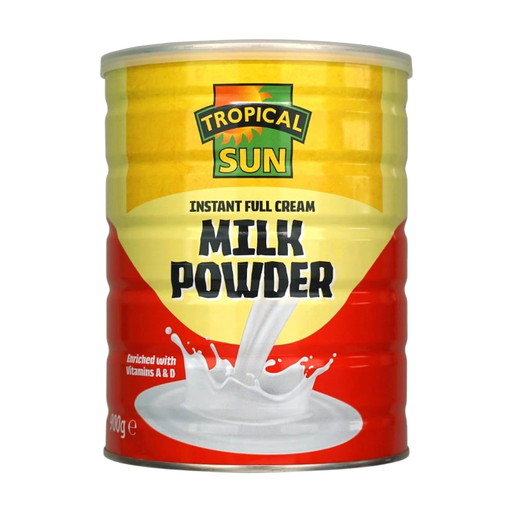
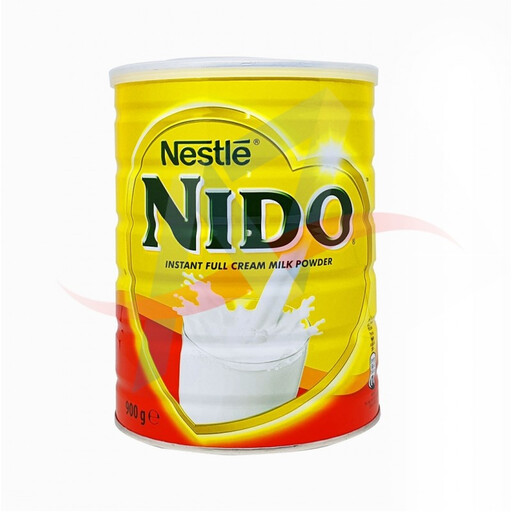
These options are whole-milk powders for mixing into drinks or using in cooking, rather than ready-to-pour fresh, filtered or UHT milk. Follow each pack’s preparation and storage instructions when planning snacks.
 No image available
This powder can be mixed for drinks or used in cooking and baking, but needs reconstitution rather than pouring straight from the pack. Its product description says to store it in a cool, dry place before opening and lists milk and soya allergens. Check the pack’s preparation and age guidance before serving it as a drink to a child.
 No image available
This whole-milk powder has mixing instructions for drinks and can also be used in cooking or baking; it is not ready-to-pour milk. It contains milk and soya. Check the pack’s storage, after-opening and age instructions if planning to use it across several snack days or serve it as a drink to a child.
The NHS says pasteurised whole cow’s milk can be used in cooking or mixed with food from around 6 months, but it should not be offered as a drink until 12 months. NHS guidance recommends full-fat dairy products up to age 2.
Neither is a milk-free alternative: both are cow’s milk. The British Dietetic Association Food Allergy Specialist Group and Sheffield Children’s NHS Foundation Trust explain that cow’s-milk allergy involves milk proteins and should be assessed by an appropriately trained healthcare professional. Follow the child’s professional advice and check labels before serving.
Sainsbury’s instructs shoppers to use its 2L filtered whole milk within 7 days of opening, compared with the 3-day instruction on its standard 2.272L whole milk. Both require refrigeration below 5°C. Check the current instructions on your chosen bottle rather than applying those periods to every filtered milk.
Tesco says its unopened 1L UHT whole milk should be stored in a cool, dry place. Once opened, that product must be refrigerated and consumed within 3 days, so plan for chilled storage after breaking the seal.