
24/7 Customer Support

Free returns

Same-day & Next-day Delivery

Quality Guaranteed

Unlock Your Welcome Offers: FREE Delivery | Up to 80% OFF | Free 30-day JoyPlus trial
Download the APP
Whole spices and seeds can transform curries, stews, marinades, pickles, breads and barbecue rubs. They also tend to keep their aroma for longer than pre-ground alternatives when stored properly. However, choosing the right packet is not simply a matter of selecting the largest size or the most impressive-looking description.
For UK home cooks, chefs and food enthusiasts, three common buying traps are worth avoiding:
Look for a straightforward ingredient list, ideally showing whether the product contains 100% of the named spice. This is especially important when buying whole seasoning spices for Indian, Chinese, Middle Eastern or Mediterranean recipes.
Allergen information also matters. Yellow mustard seeds contain mustard, which must be considered when cooking for guests with allergies. Products such as cumin seeds, coriander seeds, nigella seeds and star anise may list no allergens, but always check the current packaging before consumption.
For packaged food sold in the UK, the label should provide relevant details such as the product name, net quantity, storage guidance and best-before information. Treat the packaging as the final source of information, particularly where online descriptions are brief.
Small packs suit occasional cooks who want to explore unfamiliar flavours. Larger quantities can be more practical for households that regularly prepare curries, biryanis, stews, pickles or BBQ marinades.
Useful examples include:
A 135g pack of cumin may suit a busy family kitchen or someone who prepares spice rubs regularly, while a 25g pack of juniper berries is more appropriate for occasional culinary use.
Whole spices should look reasonably intact and free from visible moisture, mould or unusual odours. For seeds, check that the packet is sealed and that the product is not clumped.
Store whole spices and seeds in a cool, dry cupboard away from direct sunlight, steam and strong odours. Do not place them above a hob or next to a kettle. Toasting can release aroma before cooking, but avoid burning the spice, as this can produce harsh bitterness.
Whole spices are not automatically fresher than ground spices. Their practical advantage is that you can use them whole, crush them as needed or grind smaller portions for a recipe.
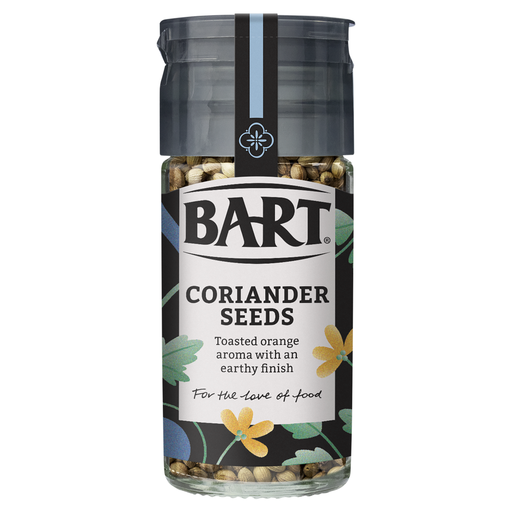
Why This Fits Their Persona: A compact 20g pack is suitable for cooks trying whole coriander seeds in curries, tagines, breads or roasted vegetables without committing to a large quantity.
The clearly defined 20g quantity helps reduce cupboard waste when coriander is an occasional ingredient.
Whole coriander seeds; compact 20g format; listed as having no allergens.
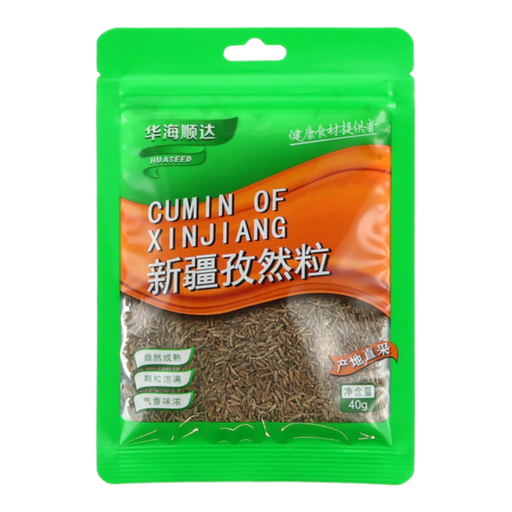
Why This Fits Their Persona: A useful choice for cooks who want whole cumin for grilling, marinades, curries and compound seasonings, with origin information included in the product details.
The 40g pack keeps the quantity manageable while providing stated origin and storage guidance for comparison.
Cumin listed as the ingredient; suitable for use whole or ground; made in China.
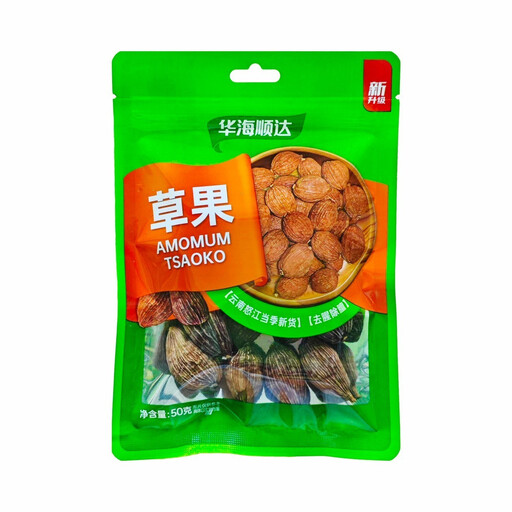
Why This Fits Their Persona: Designed for cooks preparing Chinese braised meat, stews and rich sauces who need the distinctive aroma of whole black cardamom.
The product identifies the spice as Amomum fruit and explains that pods can be added whole or cracked during cooking.
50g quantity; suitable for braised and stewed dishes; use whole and remove before serving.
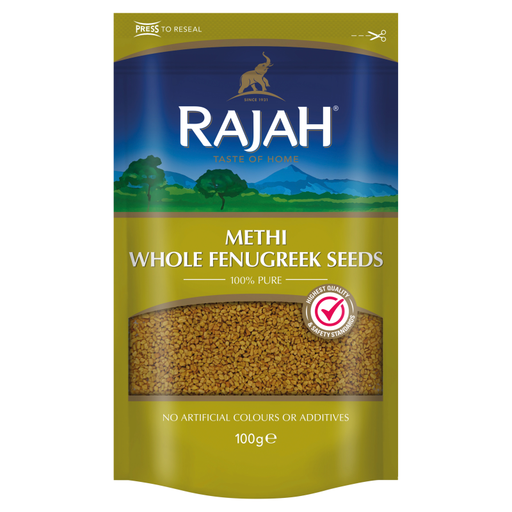
Why This Fits Their Persona: The 100g pouch suits frequent preparation of dals, curries, chutneys, pickles and homemade spice blends.
The usage guidance recommends low-heat dry roasting and warns against burning, helping cooks manage fenugreek’s bitter edge.
100% whole fenugreek seeds; 100g pack; suitable for whole use or grinding.
We have compiled a complete, real-time list of products that fully satisfy these strict selection criteria and UK safety regulations.
Keep them sealed in a cool, dry and dark cupboard. Avoid steam from the hob and check the best-before information on the packaging. After opening, use clean, dry utensils and reseal the packet or transfer the contents to an airtight container.
They offer flexibility: you can use them whole, toast them or grind only what a recipe needs. However, ground spices are more convenient for quick cooking. The suitable choice depends on your recipes, storage habits and how often you cook.
When you buy spices online, compare the ingredient list, net weight, origin, allergen statement, storage instructions and packaging format rather than relying only on flavour descriptions. A wider range of herbs, seeds and whole seasoning spices is available through the herbs seeds category.