Holiday-cottage hosts stocking a simple guest breakfast
For hosts choosing between cold ready-to-eat cereal and oats that need cooking equipment, while keeping products clearly labelled for guests to assess.


Choose ready-to-eat wholegrain wheat biscuits or cereal when guests need a simple breakfast with cold milk; choose wholegrain oats when the cottage has dependable heating facilities and guests may prefer porridge. Check the current pack for the grain ingredient, fibre per serving, preparation requirements and allergens, particularly where wheat, oats, barley or nuts may matter.
For hosts choosing between cold ready-to-eat cereal and oats that need cooking equipment, while keeping products clearly labelled for guests to assess.
For guests who want cereal based on wholegrain ingredients and a stated fibre contribution, rather than relying on a broad multigrain description.
For cottages where wholegrain, oat-based or gluten-free wording cannot replace a check of the current ingredient and allergen declaration.
Start with the breakfast format that fits the kitchen, then compare the current pack information so guests can make an informed choice.
| Priority | What to check | Your needs |
|---|---|---|
| Wholegrain and fibre | Check that the grain is named in the ingredient list; compare fibre using each product's declared serving size; distinguish wholegrain wording from multigrain wording. | I want to see the actual grain used and a fibre amount on the serving basis stated by the manufacturer. NHS guidance names plain wholewheat biscuits, plain shredded wholegrain cereal and porridge as higher-fibre breakfast starting points. |
| Preparation | Confirm whether the cereal is ready to serve cold; for oats, check the required liquid, heating method and cooking time; make sure bowls, spoons and suitable milk or an alternative are available. | A no-cook cereal works when guests need breakfast quickly. Porridge is more practical when there is a usable hob or microwave and cookware. |
| Allergen clarity | Read the current ingredients and allergen declaration; check cereals containing gluten and nuts; keep the original labelled pack available for guests. | I need guests to be able to identify ingredients relevant to an allergy, intolerance or dietary requirement. GOV.UK guidance identifies cereals containing gluten and tree nuts among the regulated allergens that food businesses must communicate when applicable. |
| Format and taste | Consider biscuit, flake, oat and muesli formats separately; review fruit, seeds and nuts in mixed recipes; assess the exact variant rather than making a brand-wide assumption. | Different guests may prefer a familiar crunchy cereal, plain porridge or a more textured muesli. The British Nutrition Foundation notes that taste, texture, convenience and uncertainty about identifying wholegrain foods can affect uptake. |
A cereal can contain several grains without matching the wholegrain standard a host has in mind. Recipes and nutrition information can also differ between variants.
Check the exact product's ingredients, wholegrain statement and fibre line on the current pack rather than applying one variant's details to another.
Muesli can combine wholegrain oats and wheat with several tree nuts, giving guests more ingredients to assess before eating.
Keep the original pack available for inspection and provide a plainly labelled alternative with a simpler ingredient profile where appropriate. Do not describe a cereal as allergy-safe unless the current manufacturer information supports it.
Gluten-free status and suitability for a wheat allergy are not interchangeable. Quaker's cited gluten-free oats state that they may not suit people with wheat allergy and may contain wheat.
Ask guests with medically necessary dietary restrictions to review the original packaging and avoid promises beyond the product label.
Traditional and jumbo oats require liquid and heating. A cottage with only a kettle or limited cookware may make them less convenient than ready-to-eat cereal.
Match oats to an equipped kitchen, and make ready-to-eat cereal the main option where a no-cook breakfast is needed.
A wholegrain wheat-biscuit route for cold, low-preparation breakfasts. Weetabix Original is listed by the manufacturer as 95% wholegrain wheat and providing 3.8g of fibre per two-biscuit serving.
A muesli-style option associated with lightly toasted wholegrain flakes, rolled oats, hazelnuts, almonds and raisins.
A wholegrain-oat route for cottages with hob or microwave facilities. Traditional and Jumbo Oats are listed as 100% wholegrain rolled oats.
A cereal portfolio using a Green Banner to identify cereals where, according to Nestlé, whole grain is the number-one ingredient. Cheerios and Shreddies offer multigrain and wholegrain-wheat routes.
A varied ready-to-eat cereal range that includes products containing wholegrain ingredients, including Rice Krispies Multi-Grain Shapes.
A muesli and granola-oriented choice for guests who prefer wholegrain flakes with fruit, seeds or nuts.
Joybuy product options covering ready-to-eat wholegrain cereal, multigrain cereal and oat-based breakfast formats for holiday-cottage self-catering.
 No image available
A portioned warm-breakfast option for cottages with a microwave and water or milk available.
Each 38.5g sachet is stated to provide 3.5g of fibre and to contain wholegrain rolled oats; microwave preparation is stated as 2½ minutes.
It is not a no-cook cold cereal. Check the current pack for suitability where guests have medically necessary dietary restrictions.
 No image available
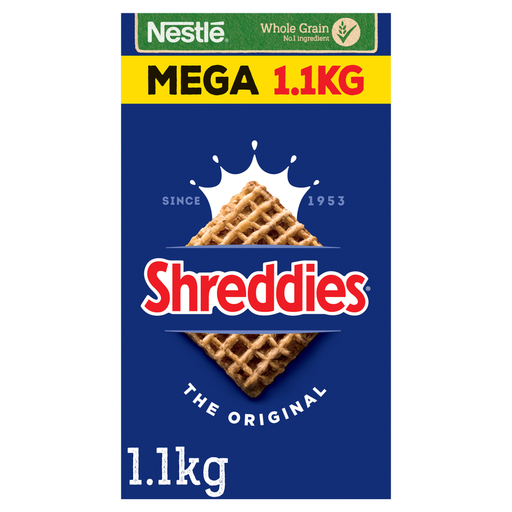
A ready-to-eat cereal for guests who need a simple breakfast with cold or hot milk.
The listing states 96.1% whole grain wheat and 4.8g of fibre per 40g serving.
The listing identifies wheat and barley and says it may contain peanuts and nuts; retain the original pack for allergen review.
 No image available
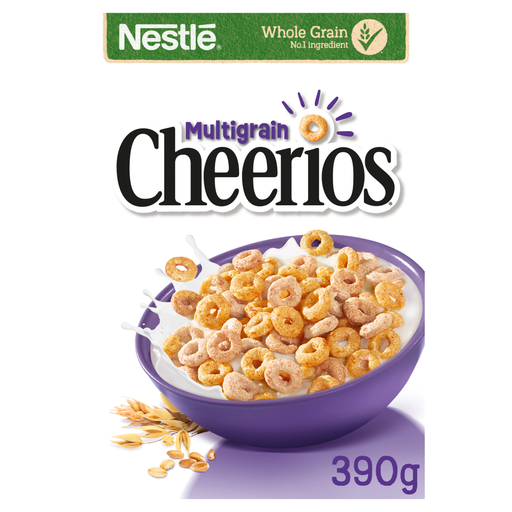
A cold ready-to-eat multigrain cereal for guests who prefer a familiar crunchy format.
The listing names whole-grain oat, wheat and barley flours and states 2.9g of fibre per 30g serving.
It contains oats, wheat and barley and may contain soya. The listing states 5.3g sugars per 30g serving, so review the current pack rather than relying on multigrain wording alone.
 No image available
A plain oat-flake option for cottages able to support porridge preparation or baking.
The listing describes 100% gluten-free oat flakes and states 3.4g of fibre per 40g portion.
Check the current pack for preparation guidance, allergen information and suitability for individual dietary requirements.
 No image available
A wheat-biscuit format for a quick cold breakfast with a bowl, spoon and suitable milk or alternative.
The listing states 95% wholegrain wheat and suggests a serving of two biscuits.
It contains gluten from wheat and barley. Check the current nutrition panel if fibre per serving is important to the choice.
Start with the specific product's ingredient list and nutrition panel. NHS guidance identifies plain wholewheat biscuits, plain shredded wholegrain cereal and wholegrain oats as higher-fibre breakfast choices; compare the declared fibre per serving without assuming one cereal supplies all of a guest's daily fibre.
Choose cold cereal when the aim is the simplest no-cook breakfast. Add oats when the cottage has a working hob or microwave, cookware and guests may want porridge; both formats can suit different preferences, but providing both is optional.
No. Quaker's cited Gluten Free Traditional Wholegrain Oats meet the gluten-free standard but state that they may not be suitable for people with wheat allergy and may contain wheat. Guests with coeliac disease, wheat allergy or another diagnosed condition should rely on the current pack and their own clinical advice.
If the cottage operation is a food business providing cereal or other food, GOV.UK guidance says retail and catering food business operators must provide allergen information for prepacked and non-prepacked food. This includes cereals containing gluten and tree nuts; keeping foods in their original labelled packs helps guests review the information.
No. Wholegrain status, ingredients and nutrition vary by product and can change with reformulation. Nestlé advises shoppers to check the label for wholegrain identification, while Kellogg's recommends checking the current pack's ingredients and nutrition declaration.