Choose the cereal format before the brand: ready-to-eat wheat biscuits or flakes suit cold breakfasts, porridge suits mornings when you can heat it, and muesli suits shoppers who want fruit, nuts or more texture. Compare ingredients, fibre and sugars on the stated serving basis, and check allergens carefully because wholegrain cereals can differ substantially in their recipes and preparation needs.
Who this suits
Fibre-focused everyday cereal shoppers
If you want a practical cereal for regular breakfasts, compare fibre per stated serving rather than relying on the word wholegrain alone. NHS guidance gives plain wholewheat biscuits, plain shredded whole grain and porridge as higher-fibre breakfast examples.
Busy shoppers choosing between cold cereal and porridge
Ready-to-eat biscuits and flakes need no cooking, while oat sachets need liquid and microwave or hob preparation. The better format is the one that fits the time and equipment available in your morning routine.
Ingredient- and allergen-conscious grocery shoppers
Check the exact online listing and the delivered pack. Wholegrain cereals may contain cereals containing gluten, milk, nuts, soya or sulphites, depending on the recipe.
What to compare before ordering
Start with the breakfast format, then compare the label on a like-for-like basis. The stated serving size, ingredients and preparation method can all change whether a cereal suits your routine.
| Priority |
What to check |
Your needs |
| Wholegrain and fibre |
Check whether wholegrain wheat, oats or other grains are named in the ingredients. Compare fibre per stated serving and per 100g; serving sizes can differ between cereals. |
I want a cereal with clearly identified wholegrain ingredients, and I want to see what the listed fibre figure means for the portion I am likely to eat. |
| Sugars |
Compare sugars using each product’s stated serving size. Check the ingredients as dried fruit, raisins and added sugar can affect the figure in muesli. |
I do not want to assume that a cereal has a particular sugars figure simply because it contains wholegrains or fruit. |
| Morning routine |
Choose between ready-to-eat biscuits or flakes and oats that need liquid and heating. Check whether nutrition is shown for dry cereal or a prepared bowl with milk. |
On rushed mornings, I need a breakfast I can prepare with the time and kitchen equipment I have available. |
| Allergens and ingredients |
Read the ingredients, declared allergens and any may-contain statement. Recheck the delivered pack, as recipes and declarations can change. |
I need to screen for ingredients such as cereals containing gluten, milk, nuts, soya or sulphites before eating the cereal. |
Common buying pitfalls
-
Comparing fibre figures without checking serving sizes
Bran flakes, wheat biscuits and muesli can use different suggested serving sizes. A larger per-serving figure does not by itself make one cereal directly comparable with another.
Compare fibre per 100g as well as per stated serving, then consider the portion you would realistically eat.
-
Treating fruit-and-nut muesli as equivalent to plain cereal
Muesli can add milk, nuts, dried fruit and sulphites to a recipe, creating different ingredient, allergen and sugars considerations from plain wheat biscuits or oats.
Read the ingredients and allergen statement rather than relying only on wholegrain wording. Choose a plainer format if those additions do not suit your requirements.
-
Using prepared porridge nutrition as if it describes dry oats alone
Some porridge information includes a serving prepared with semi-skimmed milk. Adding milk changes the nutrition values compared with dry oats.
For a fair comparison with ready-to-eat cereal, use dry-cereal values or prepare both choices consistently with your usual milk or alternative.
-
Relying on an online listing after a recipe has changed
Ingredients and nutrition declarations can change, which matters especially when you avoid particular allergens or ingredients.
Use the product page to shortlist items, then treat the delivered pack label as the final check before eating.
Relevant cereal brand references
Weetabix
A reference point for shoppers wanting a simple, ready-to-eat wholewheat biscuit cereal. Weetabix Cereals lists Weetabix Original as 100% wholegrain.
- Weetabix Cereals lists 3.8g fibre, 1.6g sugars and 0.1g salt per two-biscuit 37.5g serving.
- It contains wheat and barley, so it is unsuitable for shoppers avoiding gluten-containing cereals.
Kellogg's
Relevant for crunchy wheat-and-bran flakes when the listed fibre figure per serving is a leading comparison point.
- Kellogg's lists 5.1g fibre per 30g serving for Bran Flakes, with wholewheat and wheat bran in the ingredients.
- The product lists barley and wheat and may contain gluten from other cereals and soya; Kellogg's advises checking the pack because recipes may change.
Quaker
Relevant for a hot wholegrain-oat breakfast when a microwave or hob is available.
- Quaker Oat So Simple Original lists wholegrain rolled oats as its ingredient and provides microwave and hob instructions.
- Prepared-serving values include semi-skimmed milk, so they are not directly the same as dry-oat values; the product may contain wheat, barley and soya.
Alpen
A muesli option for shoppers who want oats, wheat flakes, fruit and nuts rather than a plain cereal format.
- Alpen Original lists wholegrain wheat and rolled oats, with 3.5g fibre per 45g serving.
- Alpen Original lists 9.5g sugars per serving. Alpen No Added Sugar still lists 8.1g sugars per serving and contains milk, hazelnuts and almonds.
Dorset Cereals
Relevant for fruit-led wholegrain muesli with oat flakes and wheat flakes.
- Dorset Fantastically Fruity lists wholegrain oat flakes and wholegrain toasted wheat flakes, with 3.4g fibre per portion.
- It lists 10g sugars per portion and includes sulphur dioxide in some sweetened dried fruit ingredients; it may contain nuts and other cereals containing gluten.
Nestlé
Relevant mainly when considering plain shredded whole-grain cereal formats. NHS guidance uses plain shredded whole grain as an example of a higher-fibre breakfast cereal.
- Plain shredded whole grain can be a useful format to compare alongside wholewheat biscuits and porridge.
- Check the exact retailer listing and delivered pack for ingredients, nutrition, allergens and availability before choosing a specific product.
Joybuy cereal options
Joybuy product options for wholegrain cereal breakfasts, including ready-to-eat wheat cereal, multigrain cereal, plain oats and fruit-and-nut cereal.
 No image available
Weetabix Cereal 24 Pack
A ready-to-eat option for a cold breakfast with a simple wheat-based format.
Listed with 95% wholegrain wheat, plus 3.8g fibre and 1.6g sugars per two-biscuit serving.
Contains wheat and barley gluten; check the delivered-pack ingredients and nutrition panel before eating.
Joybuy
 No image available
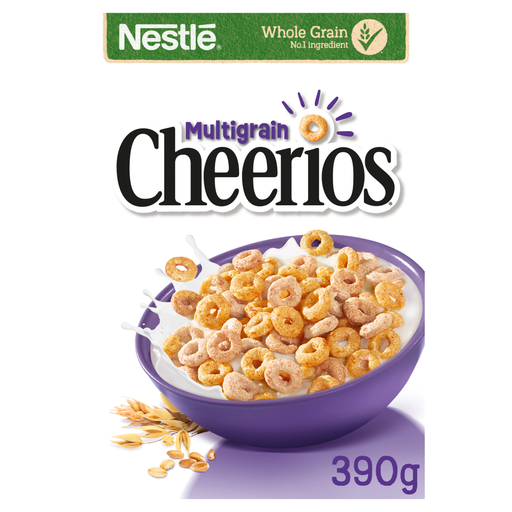
Nestle Cheerios 390g
A ready-to-eat multigrain cereal for mornings when no cooking is wanted.
The listing identifies wholegrain oat, wheat and barley flours, with 2.9g fibre and 5.3g sugars per 30g serving.
Contains barley, oats and wheat, and may contain cereals containing gluten and soya. Check the delivered pack before eating.
Joybuy
 No image available
Scotts Porage Oats Original 1kg
A plain oat option when you have time to prepare a hot breakfast with water or milk.
The listing states 100% oatmeal, with 3.6g dietary fibre and 0.4g sugars per 40g serving.
Preparation is required, and the product may contain wheat and barley; confirm the delivered-pack allergen statement if these matter.
Joybuy
 No image available
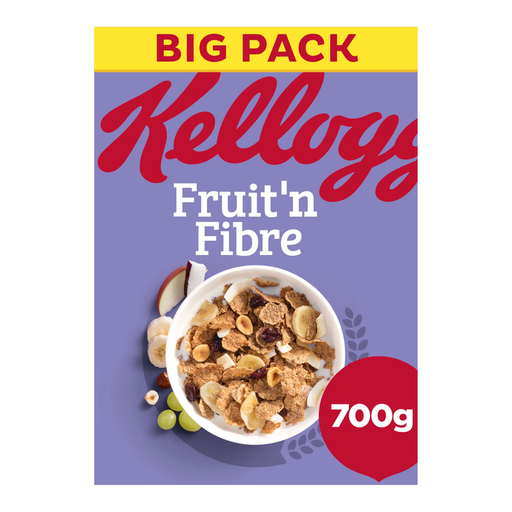
Kellogg's Fruit N Fibre 700g
A ready-to-eat fruit-and-nut cereal for shoppers who want more texture and flavour variety than a plain cereal.
The listing states 69% wholewheat flakes and 3.6g fibre per 40g serving, alongside dried fruit, coconut and hazelnuts.
Contains almonds, barley, hazelnuts, tree nuts and wheat. Check the pack nutrition panel if comparing sugars is important.
Joybuy
 No image available
Flahavan's Organic Porridge Oats 1kg
A plain wholegrain oat option for shoppers planning a hot porridge breakfast.
The listing identifies 100% organic whole grain oat flakes, with 3.3g fibre and 0.4g sugars per 40g serving.
It contains oats identified as gluten; check pack preparation instructions and the allergen statement before buying if these are relevant.
Joybuy
Frequently asked questions
Does wholegrain automatically mean a cereal is low in sugars?
No. Wholegrain content and sugars are separate checks. Weetabix Cereals lists 1.6g sugars per serving for Weetabix Original, while Alpen lists 9.5g per serving for Alpen Original and Dorset Cereals lists 10g per portion for Fantastically Fruity Muesli. Compare values on each product’s stated serving basis.
Which wholegrain cereal format is easiest for a fast morning?
Ready-to-eat biscuits and flakes need no cooking. Oat sachets can provide a hot breakfast, but Quaker's instructions require liquid and either a microwave or hob.
What should I verify before eating cereal delivered in an online grocery order if I have an allergy?
Check the product listing before ordering and the ingredients and allergen declaration on the delivered pack before eating. GOV.UK allergen guidance lists cereals containing gluten, milk, nuts, soya and sulphur dioxide or sulphites among the regulated allergens that food businesses must provide information about.
Can a muesli with no added sugar still contain sugars?
Yes. No added sugar does not mean sugar-free. Alpen lists 8.1g sugars per 45g serving for Alpen No Added Sugar, which includes raisins; compare the nutrition panel as well as the claim.
Are wholegrain cereals enough to meet the UK fibre recommendation?
No single cereal should be assumed to meet the daily target on its own. NHS guidance says adults should aim for 30g of dietary fibre per day as part of a healthy balanced diet and advises getting fibre from a variety of sources.


