Hosts building a self-serve cereal bar
For people who want guests to assemble bowls quickly with milk, yoghurt and fruit. Ready-to-eat wholewheat biscuits and crunchy cereals need less preparation, while oats need cooking or advance preparation.


Choose the cereal format around how guests will serve it: wholewheat biscuits and crunchy cereals work for a quick cold station, oats suit a cooked or make-ahead brunch, and muesli adds texture but can introduce nuts and milk ingredients. Look for a clearly stated wholegrain base and fibre declaration, compare sugars using the stated serving sizes, and check the current pack allergen information before serving guests.
For people who want guests to assemble bowls quickly with milk, yoghurt and fruit. Ready-to-eat wholewheat biscuits and crunchy cereals need less preparation, while oats need cooking or advance preparation.
For hosts who want to choose cereal using clearly stated wholegrain ingredients and fibre declarations rather than relying on broad packaging wording. NHS guidance recommends choosing wholegrain cereal varieties where possible.
For anyone who needs to check gluten-containing cereals, wheat, milk, nuts or vegan suitability before sharing food. Ingredient and allergen statements differ between cereal formats, so use the current pack information.
Start with the serving format, then compare the label information that matters for the guests and toppings you plan to provide.
| Priority | What to check | Your needs |
|---|---|---|
| Wholegrain base and fibre | Check which wholegrain cereals lead the ingredient list. Compare fibre per serving and per 100g, noting that serving sizes differ. | I want the ingredient list and nutrition panel to support the wholegrain choice, rather than relying on the cereal category alone. |
| Serving format | Choose ready-to-pour biscuits or crunchy cereal for a cold buffet. Plan cooking or advance soaking for oats; check muesli ingredients before sharing. | A cold cereal station needs something guests can assemble immediately, while porridge or overnight oats need a planned preparation step. |
| Allergens and dietary needs | Read the current ingredient list, allergen declaration and any may-contain statement. Check gluten-free, wheat-allergy and vegan claims separately. | I need to avoid assuming that every wholegrain cereal works for guests avoiding wheat, gluten-containing cereals, milk or nuts. |
| Sugars and portions | Compare sugars alongside the manufacturer’s stated serving weight. Read the ingredient list as well as front-of-pack wording, especially for dried-fruit muesli. | I want to understand the portion being compared and not read “no added sugar” as meaning that a cereal contains no sugars. |
Wholegrain cereals can still differ in fibre, sugars, ingredients and serving size. The examples here use serving sizes from 30g to 45g, so per-serving figures are not automatically like for like.
Confirm the wholegrain ingredient base first, then compare fibre and sugars per 100g as well as per stated serving. Use the current pack label where a specific dietary requirement matters.
Muesli may contain several tree nuts and may carry cross-contact statements. Dorset Gloriously Nutty lists almonds, cashews and hazelnuts, while Alpen No Added Sugar includes hazelnuts and almonds.
Ask guests before the event, keep ingredient information available, and serve a separate cereal option where nut avoidance is required.
A product can meet a gluten-free standard while still carrying information relevant to wheat allergy. Quaker says its gluten-free traditional oats may not suit people with wheat allergy.
Clarify the guest’s requirement, then use the current product-specific statement rather than treating gluten-free and wheat-allergy suitability as the same check.
Guests may need to check allergens or dietary suitability while eating, and recipes or nutrition declarations can change between packs.
Keep the boxes available or retain clear images of the current ingredient and allergen panels before decanting cereal into serving jars.
A wholewheat biscuit cereal route for a simple cold brunch base that guests can top with fruit, milk or yoghurt.
An oat-focused option for porridge, overnight oats or a prepared hot brunch station.
A wholegrain muesli route for a ready-to-serve bowl with oats, wheat flakes, fruit and nuts.
A texture-led muesli option with wholegrain flakes, fruit, nuts and seeds for a more elaborate brunch bowl.
A crunchy wholegrain wheat cereal option for a cold-milk or yoghurt station.
A wheat-bran cereal route for guests specifically comparing stated fibre figures.
Joybuy product options for a wholegrain cereal brunch, including ready-to-pour cereals, muesli and oats for a cooked or make-ahead station.
 No image available
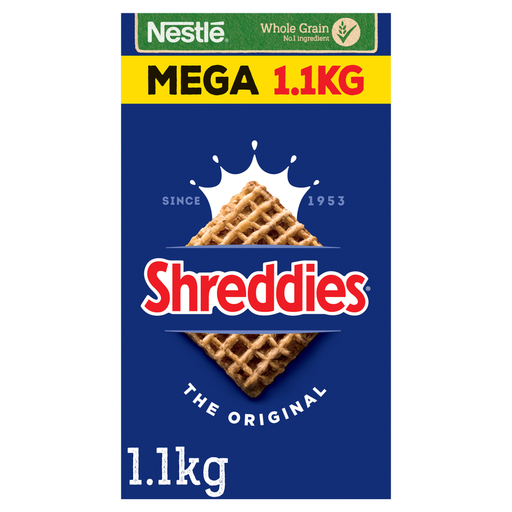
A wholewheat biscuit option for a fast self-serve station: serve the biscuits dry so guests can add milk, yoghurt, fruit or toppings themselves.
The listing identifies 95% wholegrain wheat and wheat and barley allergens. Biscuits soften after liquid is added; check the current pack nutrition panel if fibre information is important for your comparison.
 No image available
A ready-to-pour crunchy cereal for a cold milk or yoghurt station.
The listing states 96.1% wholegrain wheat, 4.8g fibre and 5g sugars per 40g serving. It contains wheat and barley malt extract and may contain peanuts and nuts.
 No image available
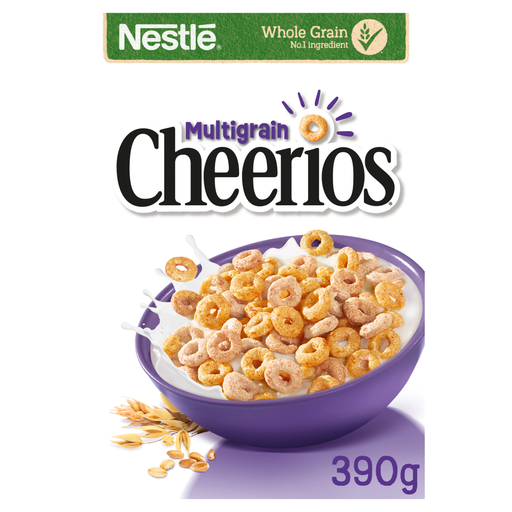
A ready-to-eat multigrain cereal for serving with milk or yoghurt without cooking.
The listing identifies wholegrain oat, wheat and barley flours, with 2.9g fibre and 5.3g sugars per 30g serving. It contains oats, wheat and barley; compare its 30g serving with other products before comparing nutrition figures.
 No image available
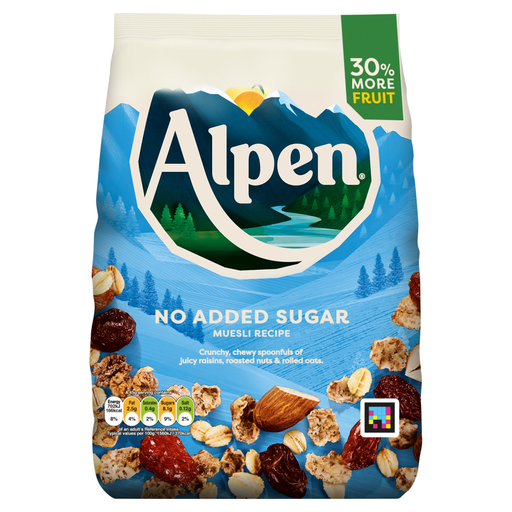
A textured cold-bowl option with wholegrain wheat, rolled oats, raisins and roasted nuts.
The listing declares 8g fibre and 18g sugars per 100g. It contains milk, almonds, hazelnuts, oats and wheat, and may contain other tree nuts; check the current serving panel before portion planning.
 No image available
An oat base for a porridge or overnight-oat station with guests choosing their own toppings.
The listing describes 100% gluten-free oat flakes and declares 3.4g fibre and 0.4g sugars per 40g portion. They require cooking or advance soaking; check the current pack and each guest’s specific dietary requirement.
Choose a pack that clearly identifies wholegrain cereal ingredients, then compare its fibre and sugars information. NHS guidance names plain wholewheat biscuits, plain shredded wholegrain cereal and porridge oats as higher-fibre breakfast choices, while also recommending fibre from a variety of foods.
No. Alpen No Added Sugar lists 8.1g sugars per 45g serving and includes raisins, so no-added-sugar wording does not mean that the product contains no sugars. Check both the ingredient list and the sugars line for the serving you plan to provide.
No. Quaker Gluten Free Traditional Wholegrain Oats are stated to meet the gluten-free standard, but Quaker says they may not be suitable for people with wheat allergy and may contain wheat. Ask about the guest’s specific requirement and check the current pack.
Keep original packs or clear ingredient information available and separate products where appropriate. Alpen No Added Sugar contains milk and nuts, Dorset Gloriously Nutty contains tree nuts, and Shreddies and Bran Flakes contain gluten-containing cereals.
Use the current physical pack when allergies, vegan suitability, fibre or sugars matter to your choice. This gives guests access to the ingredient list, allergen information and nutrition declaration for the product being served.