What to check before buying
Start by deciding whether cereal replaces a cooked component or is a separate meal, then compare labels on the same basis and check the current ingredient declaration.
| Priority |
What to check |
Your needs and respondent share |
| Fibre contribution |
Compare declared fibre per 100g and per serving. Check the stated serving size, and compare products on the same basis. |
I want cereal to contribute fibre at breakfast while still being part of a varied diet. |
| Sugars and salt |
Compare sugars and salt per 100g as well as per serving. Use traffic-light labels where present for a quick comparison, then read the full nutrition panel. |
I want to see how cereals differ before adding one to a substantial breakfast. In a 2024 Food Standards Agency and Ipsos Northern Ireland survey of 611 food shoppers, 49% said they actively used traffic-light labelling when shopping for food; this was a Northern Ireland survey, not a UK-wide cereal-specific figure. |
| Breakfast role |
Decide whether cereal replaces toast, tattie scones or another grain element. Check the portion and preparation method against the meal you intend to make. |
For me, cereal works better as a lighter alternative or separate course than as an automatic addition to a cooked full Scottish breakfast. |
| Allergens and suitability |
Read the current ingredient list, emphasised allergens and precautionary allergen wording. Check each pack rather than relying on a cereal type or brand. |
I need to identify ingredients such as wheat, gluten, nuts, peanuts or milk before choosing a cereal. |
Joybuy product options
These Joybuy options cover warm porridge oats, ready-to-eat wholewheat cereal and a fruit-and-nut muesli route for breakfasts that replace part of a cooked meal or stand alone.
 No image available
Scotts Porage Oats Original Porridge Oats 1kg
A warm porridge option when replacing toast, tattie scones or another cooked starch.
Listed as 100% oatmeal, with a suggested 40g portion; declared nutrition is 9.0g fibre, 1.0g sugars and 0g salt per 100g.
Preparation is required. The listing says it may contain wheat and barley, so check the current pack if avoiding gluten-containing cereals or managing allergies.
Joybuy
 No image available
Flahavan's Organic Porridge Oats 1kg
A plain oat porridge route for a warm breakfast that takes the place of a cooked grain component.
Listed as 100% organic whole-grain oat flakes, with 8.3g fibre, 0.9g sugars and less than 0.01g salt per 100g.
Preparation is required, and the finished bowl varies with milk, toppings and portion size. Check the current pack for dietary suitability if gluten avoidance is required.
Joybuy
 No image available
Weetabix Cereal 24 Pack
A ready-to-serve wheat-biscuit cereal for quick mornings when it replaces rather than adds to a cooked breakfast starch.
The listing identifies 95% wholegrain wheat and a two-biscuit suggested serving, with 4.5g sugars and 0.27g salt per 100g.
Contains wheat and barley gluten; check the current pack for ingredients and allergen information.
Joybuy
 No image available
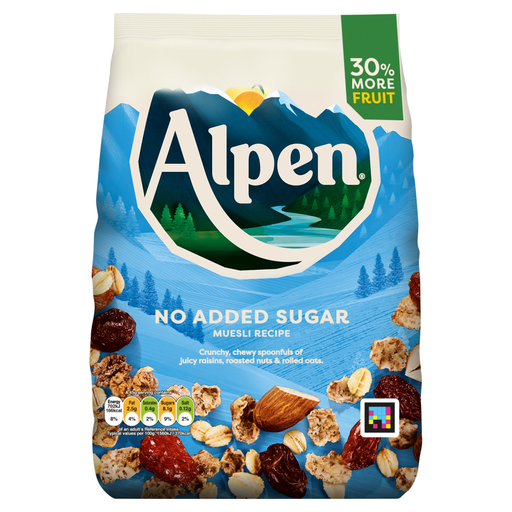
Alpen No Added Sugar Muesli 950g
A fruit-and-nut muesli option for a separate cereal meal when texture is more important than a plain cereal format.
The listing gives 42% wheat, 33% wholegrain rolled oats, 19.5% raisins and 2% roasted nuts, plus 8.0g fibre and 0.28g salt per 100g.
It contains almonds, hazelnuts, milk, oats and wheat and may contain other nuts. The listing declares 18g sugars per 100g, so compare the current label with plainer cereals if sugars are a priority.
Joybuy
 No image available
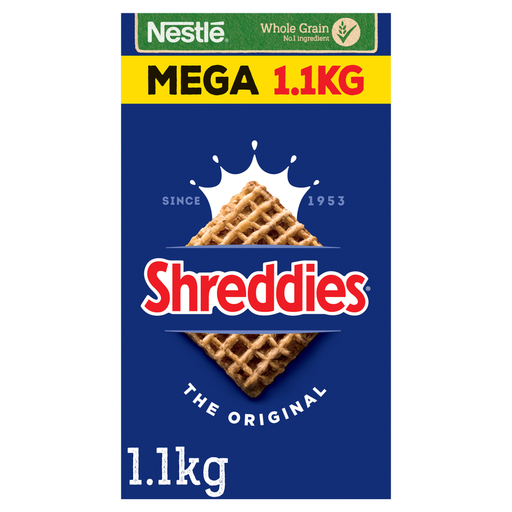
Nestlé Shreddies Original Malted Wheats Cereal 1.1kg
A ready-to-eat malted wheat cereal for a quick breakfast or an alternative to cooked breakfast starches.
The listing identifies 96.1% wholegrain wheat and declares 12g fibre, 12.5g sugars and 0.72g salt per 100g; it also gives a 40g serving.
Contains wheat and barley, and the listing states that it may contain peanuts and nuts. Compare the current label if sugars or salt are important to your choice.
Joybuy
Frequently asked questions
Is breakfast cereal a traditional part of a full Scottish breakfast?
Not usually. VisitScotland describes a typical full Scottish breakfast as including eggs, bacon, sausages, baked beans, tattie scones, toast and haggis or black pudding, rather than cereal. Consider cereal as a separate starter, a lighter breakfast on another day, or a replacement for a grain element.
Which wholegrain cereal format is simplest?
A plain wholewheat biscuit or shredded-wheat cereal with a short ingredient list is a straightforward starting point. Compare the pack's fibre, sugars and salt, and remember that wheat-based cereals contain gluten. Nestlé Cereals describes Shredded Wheat Original as one ingredient, wholegrain wheat, while Kellogg's describes W. K. Kellogg Organic Wheats Classic as 100% organic wholegrain wheat.
How should I compare cereal labels in the UK?
Compare products per 100g as well as per stated serving so that the figures are on a similar basis. GOV.UK says traffic-light labels, where present, can help compare calories, fat, saturated fat, sugars and salt at a glance; use them alongside the full nutrition panel and ingredient list.
Do I need to check allergens on every cereal purchase?
Yes, if you have an allergy, intolerance or dietary restriction. Food Standards Scotland states that UK food businesses must provide information about the 14 allergens declared by law, with allergens used as ingredients emphasised on prepacked-food labels. Check the current pack because recipes and precautionary statements can change.


