New parents needing a repeatable quick breakfast
Plain rolled oats give you control over ingredients and toppings when mornings are unpredictable. Instant formats reduce measuring and preparation steps.


For a flexible everyday staple, choose plain wholegrain rolled oats with a short ingredient list, so you can control toppings and use them for porridge, overnight oats or baking. Choose instant oats or sachets when quick preparation and portions matter most, and check the current allergen statement; if oats may be used during weaning, follow NHS guidance on timing and texture.
Plain rolled oats give you control over ingredients and toppings when mornings are unpredictable. Instant formats reduce measuring and preparation steps.
If your baby is developmentally ready to start solids, choose a format you can prepare to an appropriate texture. NHS guidance says milk remains the main source of nutrition at first and babies do not need added salt or sugar.
Distinguish a product carrying a gluten-free claim from one that is simply made from oats, and read each pack’s ingredient, allergen and precautionary statements.
Start with the format that fits your morning routine, then check the ingredient list and pack-specific allergen information.
| Priority | What to check | Your needs |
|---|---|---|
| Wholegrain and ingredients | Look for wholegrain oats in the product description; check whether the product is plain oats or includes other ingredients; review any flavourings before choosing. | I want a plain base so I can choose the milk, fruit or other toppings myself. |
| Morning preparation | Compare loose rolled oats, quick-cook oats and sachets; check the stated cooking method; make sure the format works with the equipment you use at home. | I need breakfast that fits around interrupted mornings, even if I only have time for a microwaveable portion. |
| Allergen checks | Read the full ingredient and allergen panel; check precautionary statements for wheat, barley, milk, soya and nuts; choose a labelled gluten-free product where that claim is required. | Someone in my household needs pack-specific checks rather than assuming all oat products are interchangeable. |
| Pack format | Check pack size and portion format; consider storage after opening; decide whether loose oats or individual servings better match how often you make porridge. | I want enough oats for regular breakfasts without buying more individual portions than we will use. |
Wholegrain rolled oats, instant oats, oat-and-wheat-bran blends and flavoured products can differ in ingredients, preparation and allergen wording. An oat-and-wheat-bran blend is not the same choice as plain oats when wheat avoidance matters.
Read the ingredient and allergen panel rather than relying on front-of-pack oat wording. For a diagnosed dietary condition, use the required claim and relevant clinician advice.
Individually portioned oats can be useful during especially busy weeks, but a larger bag may suit routine breakfasts where measuring and cooking are manageable.
Choose sachets for genuine convenience needs and keep a larger plain-oat bag in mind for regular use if storage and preparation time allow.
A gluten-free claim concerns gluten thresholds, not oat allergy or every possible precautionary cross-contact statement. Quaker states that its gluten-free traditional oats may not suit someone with a wheat allergy and may contain wheat.
For coeliac disease, choose a specifically labelled gluten-free product. For wheat or oat allergy, follow the clinician-directed plan and check the current package information.
NHS guidance says babies do not need salt or sugar added to food. Adult toppings and adult-sized portions do not automatically transfer to infant feeding.
Keep an age-appropriate oat preparation plain, cool it before serving and adapt the texture to your baby’s stage.
Quaker’s UK range includes traditional wholegrain rolled oats, gluten-free oats, sachets and pots for shoppers comparing plain and quicker formats.
A UK oat specialist offering traditional, quick-cook, superfast, jumbo, organic and gluten-free porridge-oat formats.
A wholegrain oat brand with standard, organic, jumbo and quick formats, including a plain organic option.
Jordans offers traditional and organic wholegrain rolled porridge products for shoppers who want an organic option.
The retailer’s own-label range includes standard wholegrain oats, oats with wheat bran, instant oats and free-from products.
Dorset Cereals is more relevant here for wholegrain-oat muesli and granola than for plain porridge oats.
These Joybuy options cover organic loose oats, plain jumbo oats, original sachets and a smooth oat cereal for different household breakfast routines.
 No image available
A plain organic wholegrain oat option for repeat household breakfasts and self-chosen toppings.
Stated as 100% organic wholegrain oat flakes in two 1kg packs. No gluten-free claim is stated in the supplied listing; check the current pack where gluten-free or wheat-allergy suitability is required.
 No image available
A loose-oat format for everyday porridge where measuring and cooking are acceptable.
The listed ingredient is 100% organic wholegrain oat flakes. Check the current package statement before buying if gluten-free or wheat-allergy suitability is needed.
 No image available
Six pre-portioned sachets for mornings when reducing measuring steps is the priority.
The supplied listing states wholegrain rolled oats as the only ingredient, 38.5g portions and a 2½-minute preparation time. No gluten-free claim is stated.
 No image available
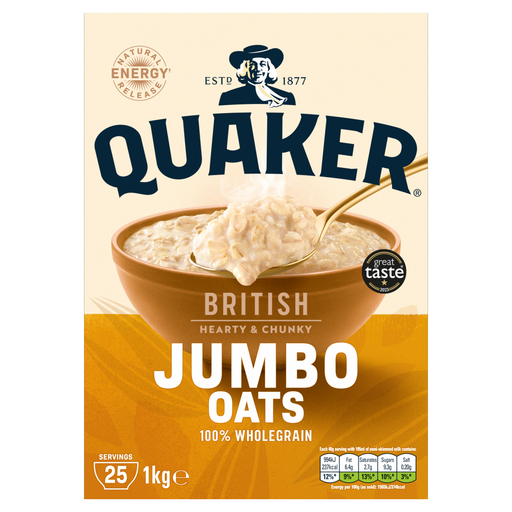
A 1kg plain-oat option for porridge, overnight oats and baking with your own toppings.
The listing describes 100% wholegrain oat flakes. It may contain traces of wheat, so do not treat it as suitable for gluten-free or wheat-allergy requirements without checking the current pack.
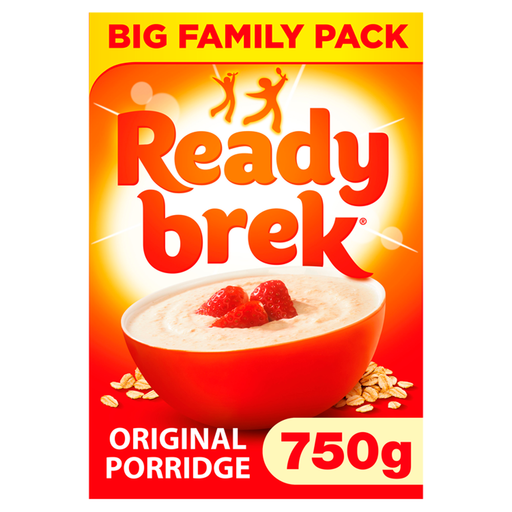 No image available
A smooth hot oat cereal for households that prefer an oat-flour format rather than rolled flakes.
The listing describes wholegrain oatmeal and oat flour with no added salt or sugar. It contains oats and may contain barley, milk and wheat.
Do not use porridge oats as a reason to start solids early. NHS guidance says solids should start from around six months when a baby is ready, while breast milk or first infant formula remains the main source of nutrition at the beginning.
Plain oats can be a flexible family ingredient, but the cooked texture should be adapted to the baby’s stage. Let cooked food cool before serving, supervise feeding and do not add salt or sugar; NHS says babies do not need either added to food or cooking water.
No. A UK gluten-free claim concerns gluten content, with a limit of no more than 20mg/kg, but it does not settle every wheat or oat allergy question. Check the exact pack wording: Quaker says its gluten-free traditional oats may not suit people with wheat allergy and may contain wheat.
NHS says you may need to be particularly careful when introducing foods and should speak to your GP or health visitor first. Read labels carefully and avoid a food if you are unsure whether it contains an allergen the child must avoid.
Follow the individual pack instructions. The cited Waitrose wholegrain oat product advises storing oats in a cool, dry place away from strong odours and, once opened, in an airtight container; check the pack’s best-before date.